Migration happens when animals travel regularly between two or more places. Changing seasons often trigger these journeys. When food becomes scarce or temperatures turn dangerous, animals follow routes that lead to better conditions, then return once the original habitat recovers.
Birds are famous migrants. arctic terns fly from the Arctic to Antarctica each year, while geese follow flyways that include resting wetlands. Many birds navigate using the sun, stars, magnetic fields, and even smells. Flocks take advantage of V-shaped formations that reduce wind resistance, letting young birds learn the path from adults.
Mammals also migrate. Caribou cross tundra in search of fresh grass, bats move between caves to find warm roosts, and humpback whales swim from polar feeding grounds to tropical breeding lagoons. Some mammals migrate vertically up and down mountains as snow lines change.
fish and insects participate too. Salmon hatch in rivers, grow in the ocean, then battle upstream currents to lay eggs where they were born. Monarch butterflies travel from canada and the united-states to the mountains of central mexico, using the angle of sunlight and internal clocks to stay on course. Even tiny plankton drift up and down daily as light levels change.
Migration faces new challenges. habitat loss removes rest stops, city lights disorient birds, and climate change shifts the timing of blooms and insect hatches that travelers depend on. Conservationists protect key wetlands, monitor migration with satellites, and adjust fishing or hunting seasons to match animal movements, ensuring these ancient journeys continue.
Migration
Level
readlittle.com
Seasonal journeys for survival
What We Can Learn
- Migration is a regular, seasonal movement that solves food and climate challenges
- Birds, mammals, fish, and insects use the Sun, stars, and magnetic cues for navigation
- Successful migration depends on safe stopover habitats along the route
- Conservation actions like protecting wetlands and dimming city lights help migratory species
Related Reads
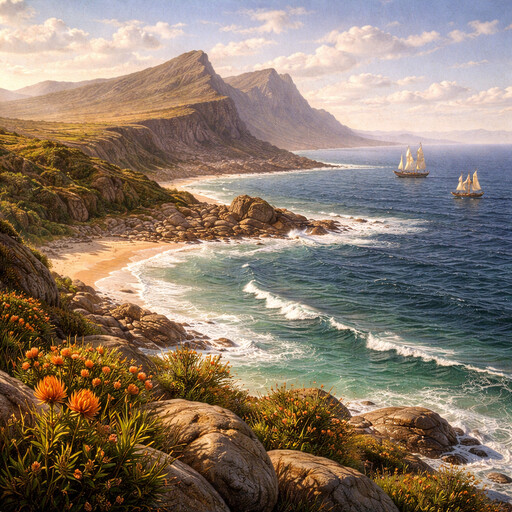
Cape of Good Hope
Southern headland of Africa
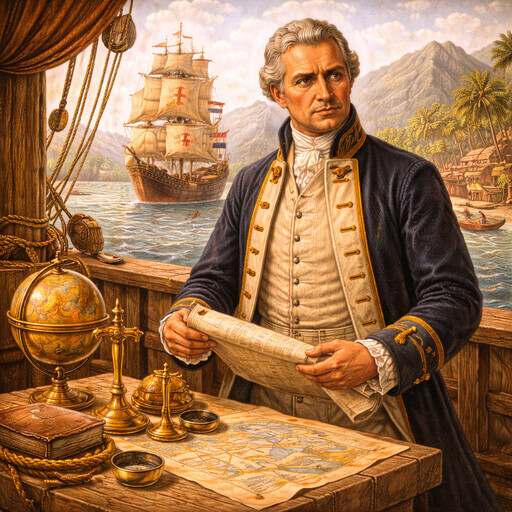
James Cook
British explorer of the Pacific Ocean
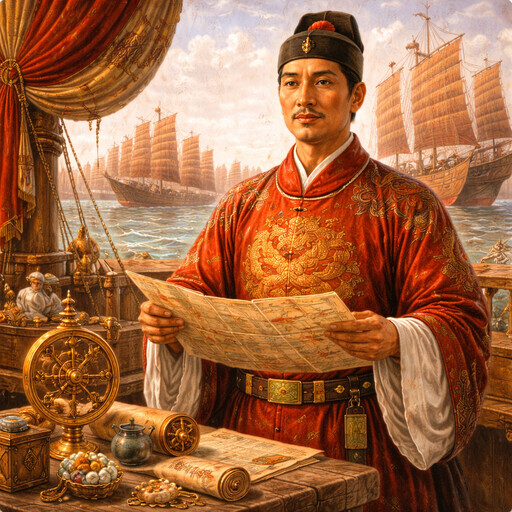
Zheng He
Admiral who led great ocean voyages
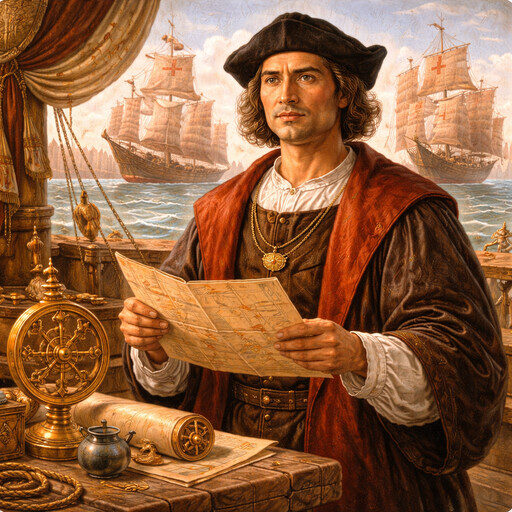
Christopher Columbus
European navigator who crossed the Atlantic
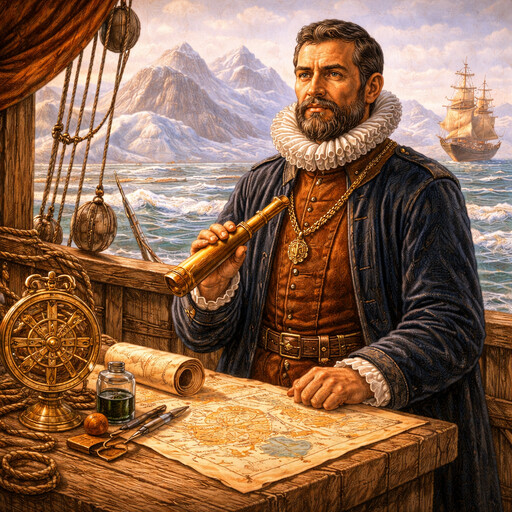
Henry Hudson
Explorer of northern seas and rivers
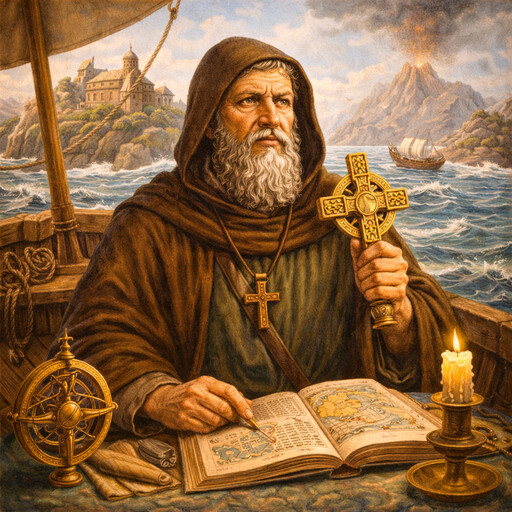
Brendan the Navigator
Early medieval Irish sea voyager
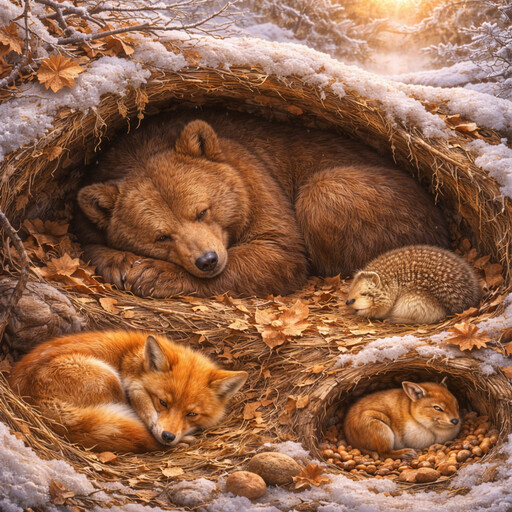
Dormancy
A temporary state of inactivity
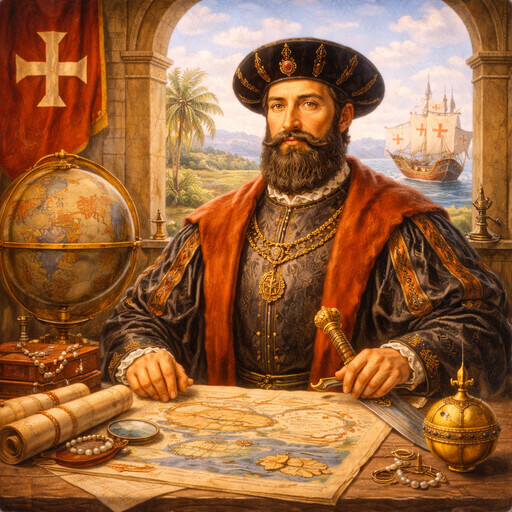
Vasco da Gama
Portuguese explorer who reached India by sea
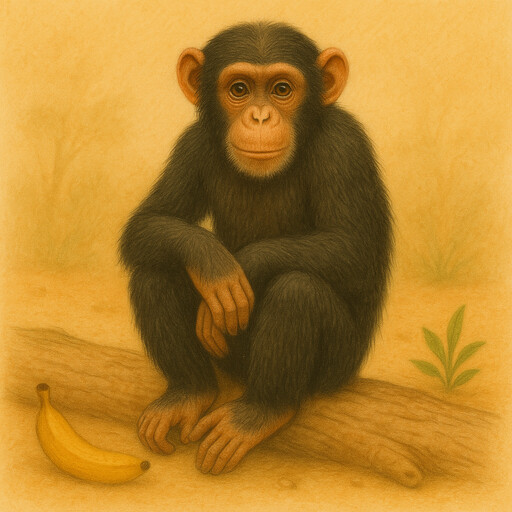
Chimpanzee
Inventive problem-solvers of African forests
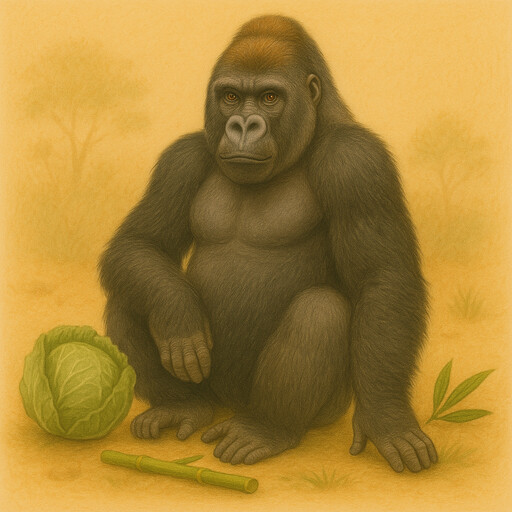
Gorilla
Forest gardeners with gentle strength
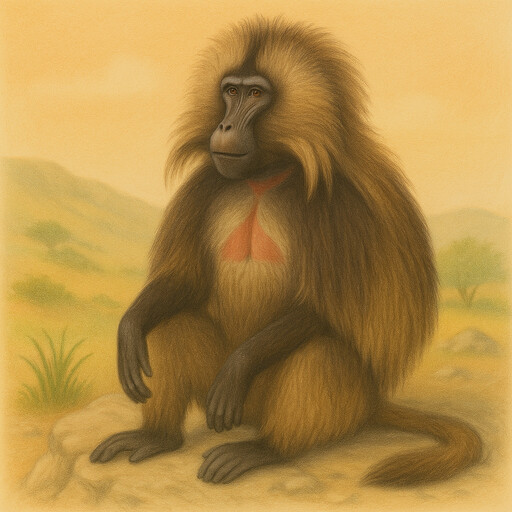
Gelada
Grass-eating monkeys of the highlands
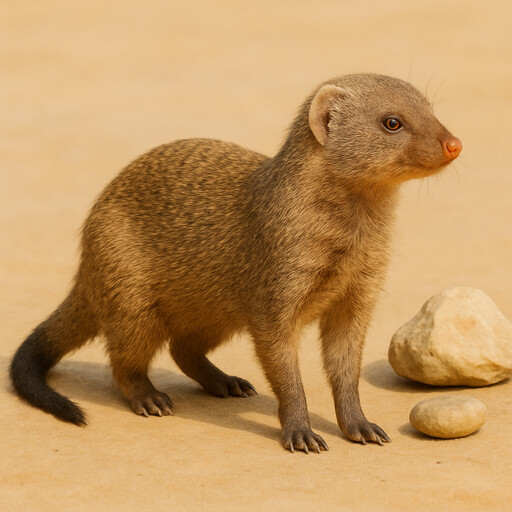
Mongoose
Quick hunters with shared dens