Atlantic ocean is the world's second-largest ocean, sweeping in an elongated S-shape between the Americas and the coastlines of europe and africa. It covers about one-fifth of earth's surface and links the arctic, Southern, and Indian Oceans through gateways such as the greenland sea, Drake Passage, and Cape of Good Hope. For centuries the Atlantic has served as the busiest highway for trade, migration, and scientific exchange.
Prevailing trade winds and Earth's rotation guide powerful surface currents. Warm water rushing northward as the gulf Stream and North Atlantic Drift keeps western Europe milder than places at the same latitude. Cold Labrador and Benguela Currents carry nutrient-rich water toward the surface, while the Atlantic Meridional Overturning Circulation (AMOC) sinks dense water near Greenland and pushes it southward along the seafloor.
Moist tropical air over the Atlantic fuels hurricanes that can travel from West Africa across the Caribbean and into the Gulf of mexico. Storms also brew along the polar front near iceland, sending winter systems toward Europe and north-america. Mariners track pressure maps, buoys, and satellites to route ships around waves, fog, and floating mats of Sargassum algae.
Marine life ranges from coral reefs in the Caribbean to cold-water fisheries on the Grand Banks and off Namibia. The Mid-Atlantic Ridge splits the seafloor with volcanic peaks and hydrothermal vents that nurture tube worms and shrimp. Coastal economies depend on cod, sardines, oysters, offshore wind farms, and thousands of fiber-optic cables buried beneath the seabed.
The Atlantic carried explorers, enslaved peoples, immigrants, and ideas that reshaped societies on both sides of the ocean. Today it faces oil spills, plastic pollution, and warming that can weaken the AMOC or bleach coral reefs. International bodies coordinate search-and-rescue zones, marine protected areas, and rules from the International Maritime Organization to keep the ocean productive and safe.
Atlantic Ocean
Level
readlittle.com
Busy ocean linking four continents
What We Can Learn
- The Atlantic Ocean connects the Americas with Europe and Africa across an S-shaped basin
- Currents such as the Gulf Stream and AMOC transport heat and nutrients
- Hurricanes, winter storms, and Sargassum blooms form over its warm waters
- Fisheries, energy projects, and cables rely on careful conservation and cooperation
Related Reads
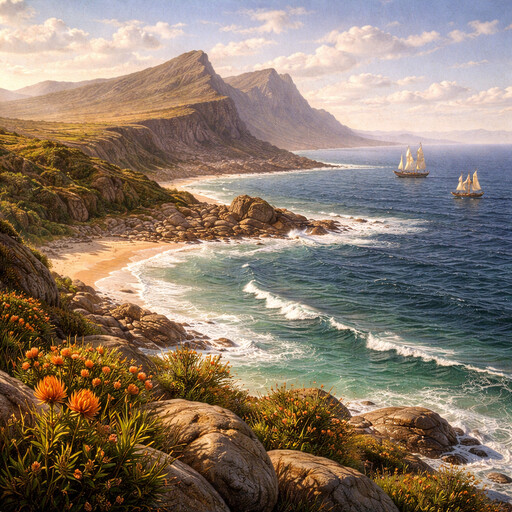
Cape of Good Hope
Southern headland of Africa
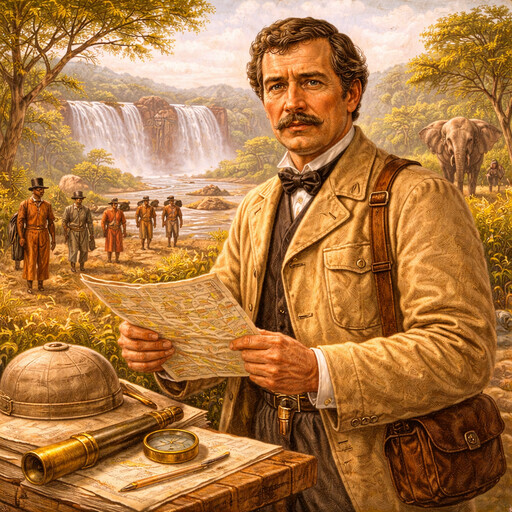
David Livingstone
Scottish explorer of Africa
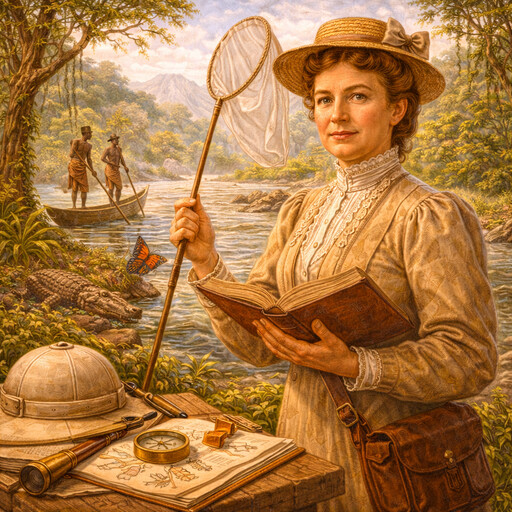
Mary Kingsley
British traveler and writer in West Africa

Lewis and Clark Expedition
Exploring the land west of the Mississippi
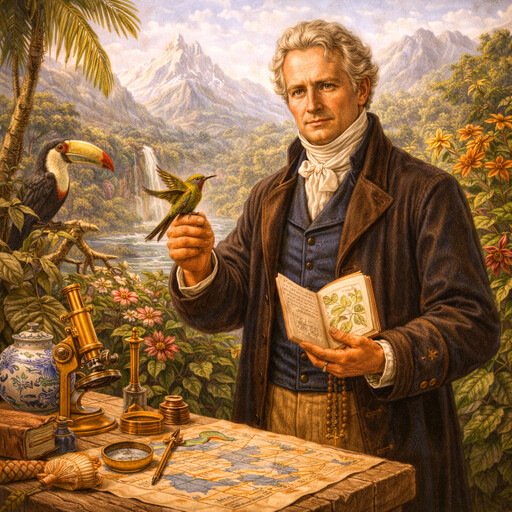
Alexander von Humboldt
Explorer of nature and the natural world
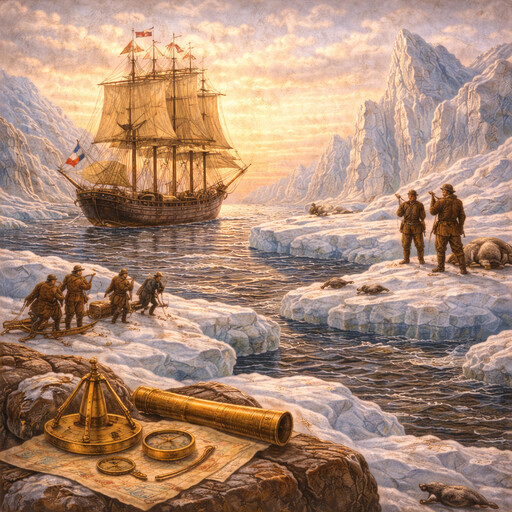
Northwest Passage
A sea route through Arctic waters
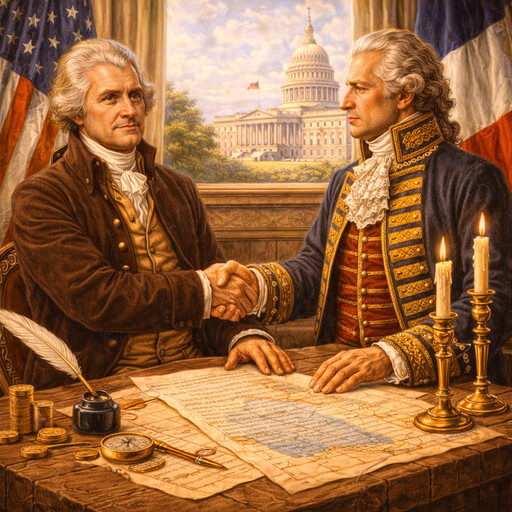
Louisiana Purchase
A land deal that doubled the United States
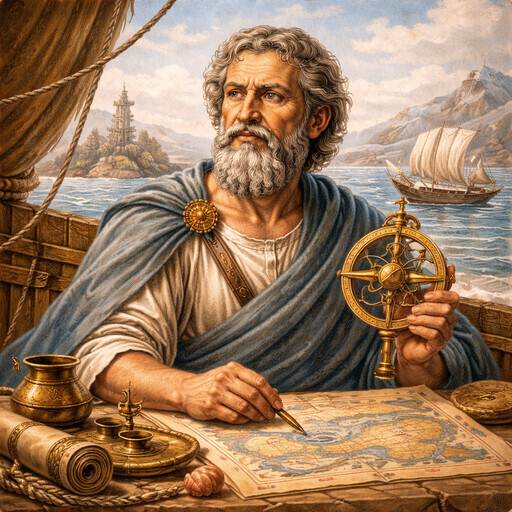
Pytheas
Greek explorer of the far north
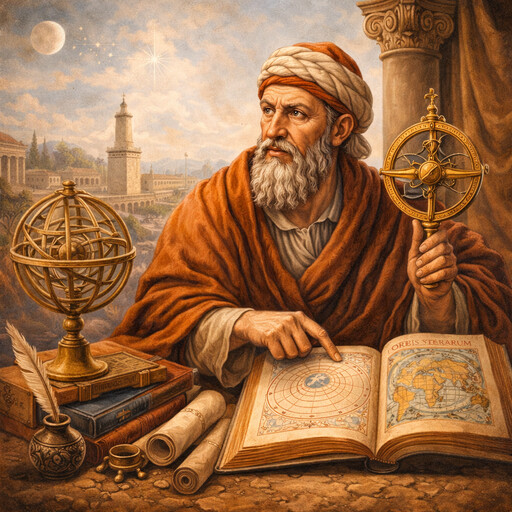
Ptolemy
Ancient scholar of astronomy and geography
Serbia
A country in Southeast Europe
Balkans
Southeastern European region
Saint Petersburg
Historic city in northwest Russia