Ship describes large boats capable of long-distance travel on open water. Ships range from container ships stacked with metal boxes, to cruise ships carrying thousands of passengers, to research vessels outfitted with laboratories. Key parts include the hull (body), deck, bridge (control center), engine room, and cargo holds or cabins.
Navigation relies on radar, GPS, sonar, and traditional charts. Modern ships also use autopilot systems and weather routing software to avoid storms. Crews keep watches around the clock, maintaining engines, steering, and monitoring communication channels for safety information.
Ships power global trade by moving raw materials, food, vehicles, and electronics between continents. Bulk carriers haul grain or iron ore; tankers transport oil and chemicals; roll-on/roll-off ships drive vehicles directly onto the deck. Naval ships enforce maritime security, while icebreakers clear polar passages.
Maritime safety regulations address pollution and accidents. The International Maritime Organization (IMO) sets rules for fuel emissions, ballast water, crew training, and emergency drills. Lifeboats, life jackets, firefighting systems, and distress beacons help protect crews and passengers.
Emerging technologies include liquefied natural gas (LNG) fuel, hybrid engines, wind-assist sails, and autonomous surface vessels. Reducing ship emissions, preventing invasive species, and safely recycling old ships remain top priorities for the maritime industry.
Ship
Level
readlittle.com
Large vessels for travel and trade
What We Can Learn
- Ships are large watercraft built for long voyages, cargo transport, research, or defense
- Navigation uses radar, GPS, and continuous watchkeeping
- Global trade depends on specialized ships like tankers, container ships, and bulk carriers
- International rules aim to reduce pollution, improve safety, and encourage cleaner technology
Related Reads
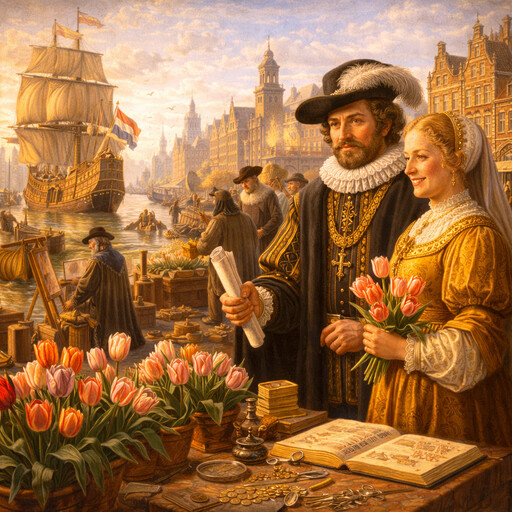
Dutch Golden Age
Period of Dutch global growth
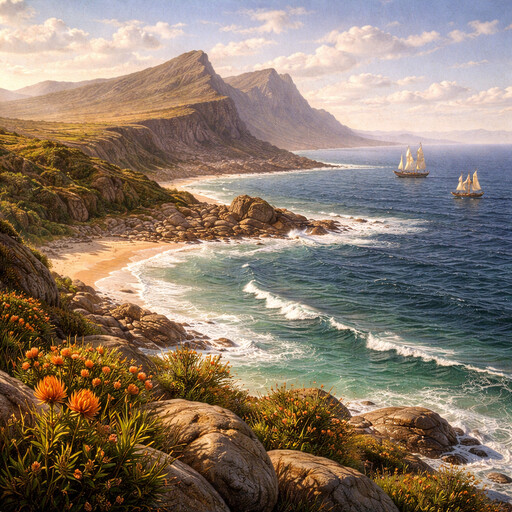
Cape of Good Hope
Southern headland of Africa
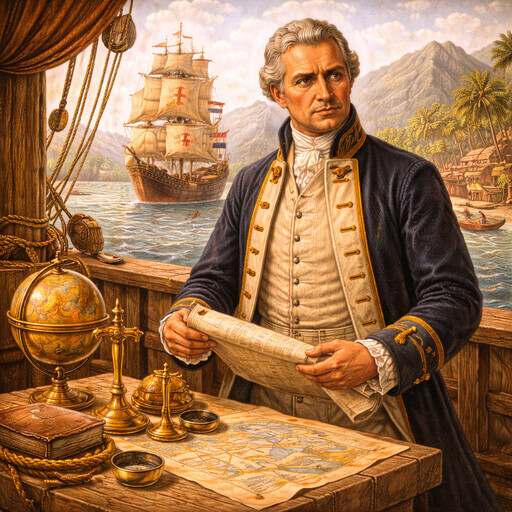
James Cook
British explorer of the Pacific Ocean
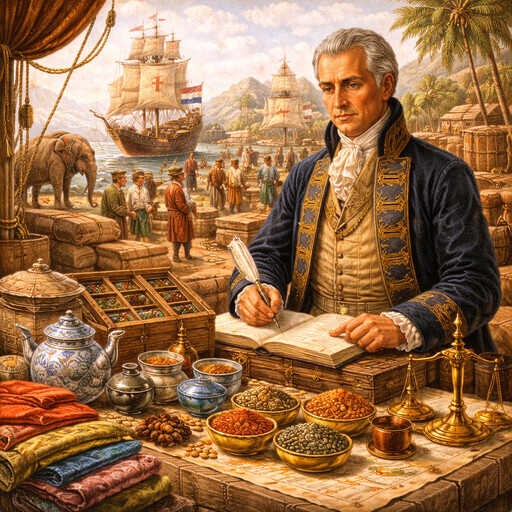
East India Company
British trading company that ruled India
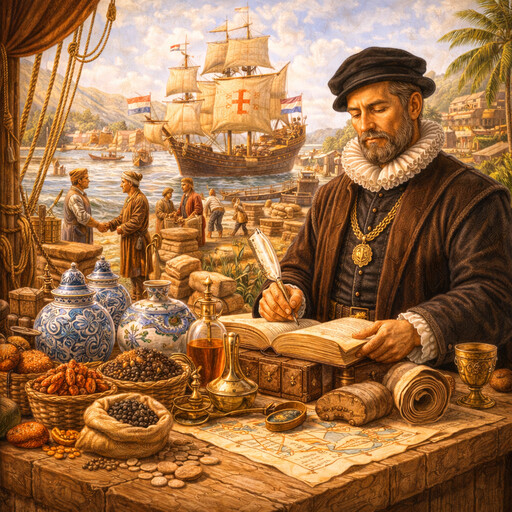
Dutch East India Company
Powerful trading company of the Netherlands
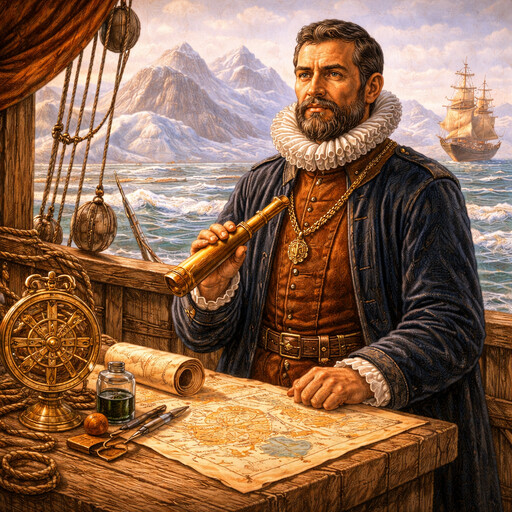
Henry Hudson
Explorer of northern seas and rivers
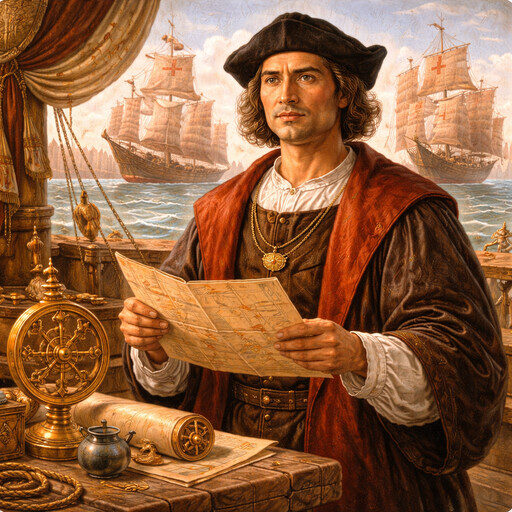
Christopher Columbus
European navigator who crossed the Atlantic
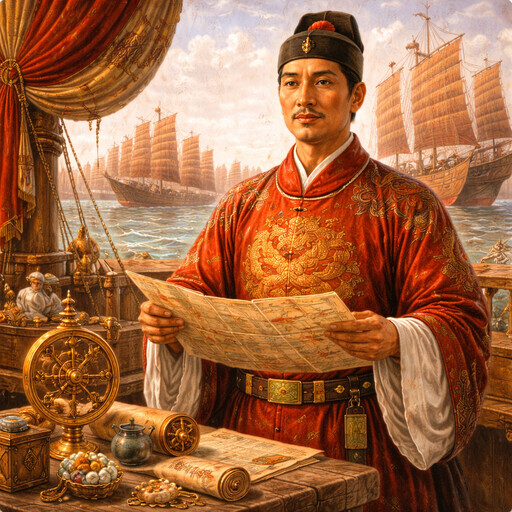
Zheng He
Admiral who led great ocean voyages
Brendan the Navigator
Early medieval Irish sea voyager
Capitalism
Economic system based on private ownership
David Ricardo
British thinker on trade and economy
Adam Smith
Scottish thinker of trade and economy