John Lackland was a king of England who ruled from 1199 to 1216. He was the youngest son of Henry II of England and the brother of Richard I. John earned the nickname "Lackland" because he did not receive large lands from his father when he was young. Many of the family lands went to his older brothers. When Richard I died in 1199, John became king and faced many challenges throughout his reign.
John was born in 1166. As a child of a royal family, he was educated in reading, writing, and the duties of ruling. Even though he did not inherit much early land, John still took part in political affairs. A political affair is an event or decision related to government or ruling. When Richard I joined the Third Crusade, John helped manage the kingdom in his absence. After Richard’s death, most nobles accepted John as king, though some supported a rival claimant. A claimant is a person who says they have the right to rule.
One of John's biggest problems was losing land in France. At that time, English kings controlled large areas in France, including Normandy and Anjou. A region is a large area of land with its own features or history. Soon after John became king, the king of France, Philip II, attacked these lands. John struggled to defend them and eventually lost Normandy in 1204. This loss weakened John’s power and made many nobles question his leadership.
John also had conflicts with the English Church. In 1205, the pope and John disagreed about who should become the Archbishop of Canterbury, the most important church leader in England. An archbishop is a senior church official. John refused to accept the pope’s choice, and the pope placed England under an interdict. An interdict was a church order that stopped many religious ceremonies. Later, John and the pope reached an agreement, but the conflict damaged John’s reputation.
Tension between John and his nobles grew during his reign. Nobles were high-ranking people who owned land and supported the king. Many nobles felt John collected too many taxes to pay for wars. In 1215, a group of angry nobles forced John to approve a document called the Magna Carta. The Magna Carta set limits on the king’s power and required him to follow certain laws. Although John later tried to cancel it, the Magna Carta became an important symbol of legal rights.
John died in 1216 during a civil war. His young son, Henry III, became the next king. Today, John Lackland is remembered for the difficulties he faced and for signing the Magna Carta. Learning about John helps students understand how conflicts between rulers, nobles, and the Church shaped the history of medieval England.
John Lackland
Level
readlittle.com
An English king with a troubled reign
What We Can Learn
- John Lackland ruled England from 1199 to 1216.
- He lost important lands in France, including Normandy.
- His conflicts with nobles led to the Magna Carta.
- He struggled with the Church over the choice of an archbishop.
Related Reads

Balkans
Southeastern European region

Western Europe
Region of countries in western Europe

Eastern Europe
Region of countries in eastern Europe
Henry IV
First Lancastrian king of England
Richard II
Young medieval king of England
Richard I
A medieval king known for crusades
Henry II
Founder of the Plantagenet dynasty
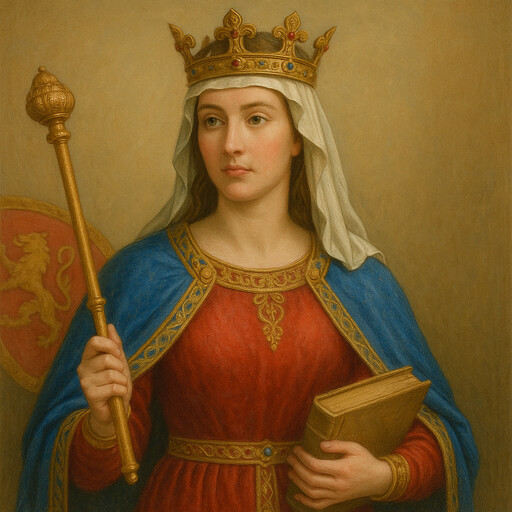
Empress Matilda
A royal claimant to England’s throne
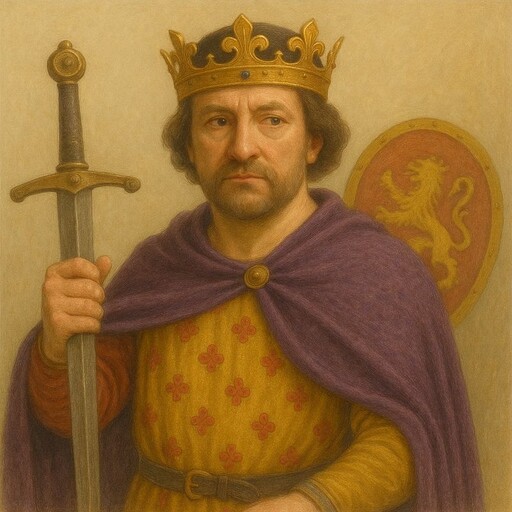
Stephen of Blois
A king during a time of civil war
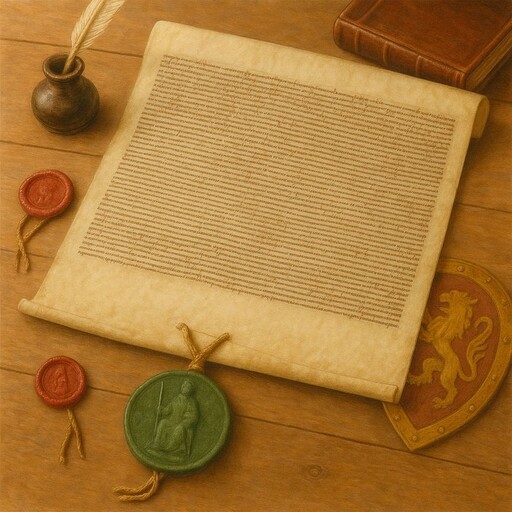
Magna Carta
A charter limiting a king’s power
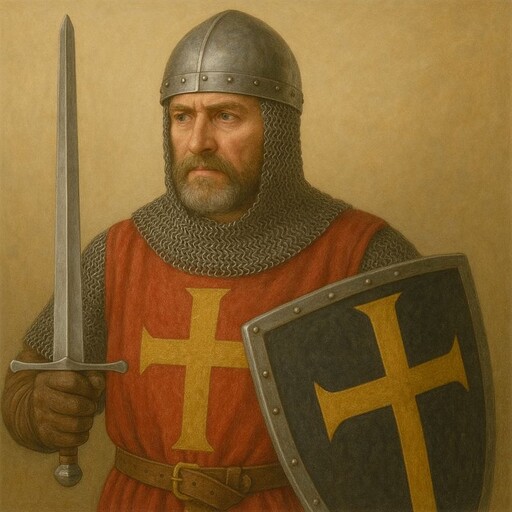
William Marshal
A loyal knight and royal advisor

Edward II
A troubled medieval English king