The Industrial Revolution was a period when new machines and new ways of working changed daily life. It began in Great Britain in the late 18th century and continued into the 19th century. Before this time, most people lived in rural areas and worked in agriculture or small workshops. Goods were usually made by hand. During the Industrial Revolution, machines powered by water and steam were used to produce goods in factories. A factory is a building where many workers and machines make products together.
Several conditions helped the Industrial Revolution begin in Britain. The country had rich supplies of coal and iron. Coal is a fuel dug from the ground, and iron is a strong metal used for tools and machines. Britain also had many rivers and ports, which made transport easier. A transport system is a way of moving people and goods. In addition, Britain had a growing population and access to money for investment. Investment means putting money into a business in the hope of future gain.
One of the first industries to change was textile production. Textiles are cloth and fabric made from fibers like cotton or wool. New machines such as the spinning jenny and the power loom increased the speed of cloth making. These machines were first powered by water and later by steam engines. A steam engine is a machine that uses steam from heated water to produce movement. The steam engine was improved by James Watt in the late 1700s and became widely used in factories, mines, and transport.
The Industrial Revolution also changed transportation. Roads were improved, and canals were built to move heavy goods. Later, railways were developed. A railway is a track system that allows trains to carry people and goods. Steam-powered locomotives made travel faster and cheaper. Cities grew quickly around factories and transport centers. Urbanization is the movement of people from rural areas to cities. Many people moved to cities to find factory work.
Life during the Industrial Revolution changed greatly for workers and families. Factory work followed fixed hours and strict rules. Many workers, including women and children, worked long days for low wages. Wages are the money paid for work. Housing in growing cities was often crowded, and sanitation was poor. Sanitation refers to systems that keep places clean and healthy. Over time, governments introduced laws to limit child labor and improve working conditions. These changes happened gradually during the 19th century.
The Industrial Revolution spread from Britain to Europe, North America, and other regions. Countries such as France, Germany, and the United States developed their own industries. New inventions continued to appear, including machines for making steel and generating electricity. Electricity is a form of energy used to power machines and lights. By the late 19th century, industrial societies had formed in many parts of the world. The Industrial Revolution marked a major turning point in human history, changing production, transport, and patterns of living.
Industrial Revolution
Level
readlittle.com
Shift from hand tools to machines
What We Can Learn
- The Industrial Revolution began in Britain in the late 1700s.
- Machines and factories replaced many hand-made methods.
- Steam power played a key role in industry and transport.
- Cities grew as people moved to factory work.
Related Reads
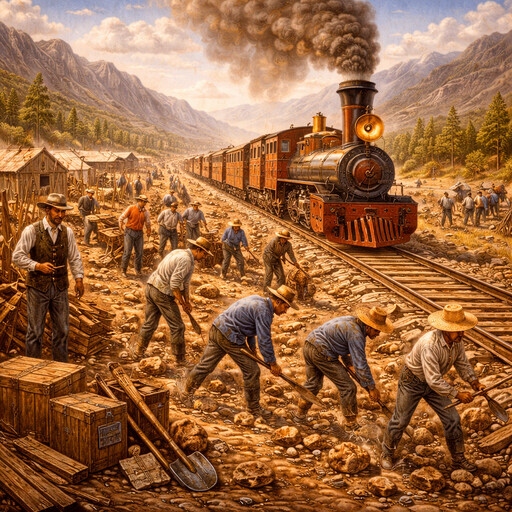
Transcontinental railroad
Railway linking America coast to coast

Smartphone
Mobile phone with advanced computing features

Internet
Global network connecting computers worldwide

Nationalism
Idea linking people to a shared nation

Capitalism
Economic system based on private ownership

Gunpowder
Early explosive material

Song dynasty
Chinese dynasty of innovation and growth
Innovation
Creating new ideas or solutions
Patent
A legal right for new inventions
Invention
Creating new things to solve problems

Data
Information collected and used for understanding

Communication
Sharing information between people and groups