Ivan III was a powerful ruler of the Russian lands in the late 1400s. He was born in 1440 and ruled from 1462 until his death in 1505. He is often called Ivan the Great because his actions changed the history of Russia. During his long reign, he turned the small state of Moscow into a large and strong power. He also laid the foundations of the Russian state that came later.
Ivan III became Grand Prince of Moscow after his father, Vasily II, died. A grand prince was the main ruler of a group of Russian lands. At that time, the Russian lands were divided and often fought each other. They also paid tribute, or forced payments, to the Golden Horde. The Golden Horde was a Mongol state that had controlled much of Russia for many years. Ivan III worked to unite nearby lands under Moscow’s control.
Through war, marriage, and agreement, Ivan III added many territories to his state. These included Novgorod and Tver, which were important cities. Novgorod had been a wealthy trading city with its own traditions. Ivan III defeated it in 1478 and took away its independence. This helped Moscow become the main center of power. By the end of his rule, most Russian lands were under his control.
One of the most important events of Ivan III’s reign was the end of Mongol rule. In 1480, Russian and Mongol forces faced each other at the Ugra River. This event is known as the Great Stand on the Ugra River. No major battle happened, but the Mongol army withdrew. After this, Moscow no longer paid tribute to the Golden Horde. This marked the end of Mongol dominance over Russia.
Ivan III also changed how the state was ruled. He reduced the power of local princes and nobles. He strengthened the authority of the central government in Moscow. New laws were written down in a law code called the Sudebnik of 1497. A law code is a written collection of laws. This helped make rules more uniform across the land. Ivan III also began to use the title “sovereign of all Rus,” showing his claim over all Russian territories.
Ivan III married Sophia Palaiologina, a niece of the last Byzantine emperor. This marriage increased Moscow’s status. After the fall of Constantinople, Moscow began to see itself as the heir to Byzantine traditions. Symbols such as the double-headed eagle were adopted. Ivan III died in 1505. His rule left a strong and unified state that later rulers would expand even further.
Ivan III
Level
readlittle.com
Founder of a unified Russian state
What We Can Learn
- Ivan III ruled Moscow from 1462 to 1505
- He united many Russian lands under Moscow
- His reign ended Mongol control over Russia
- He strengthened central government and law
Related Reads

Peter the Great
Russian ruler who reshaped his country
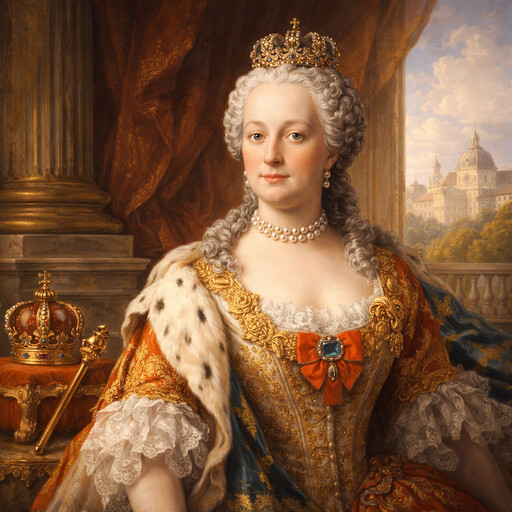
Maria Theresa
Powerful ruler of the Habsburg lands
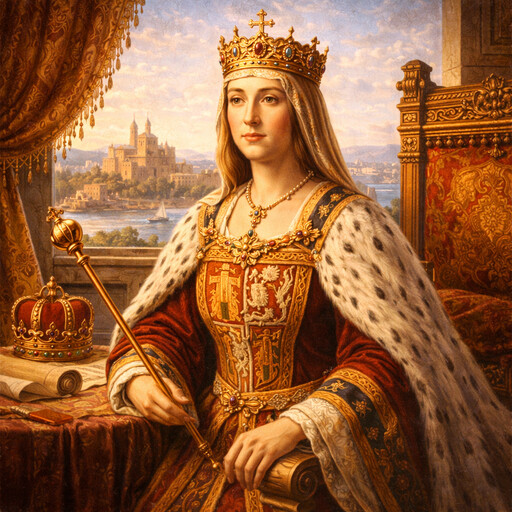
Isabella I
Queen of Castile and Spain’s unification
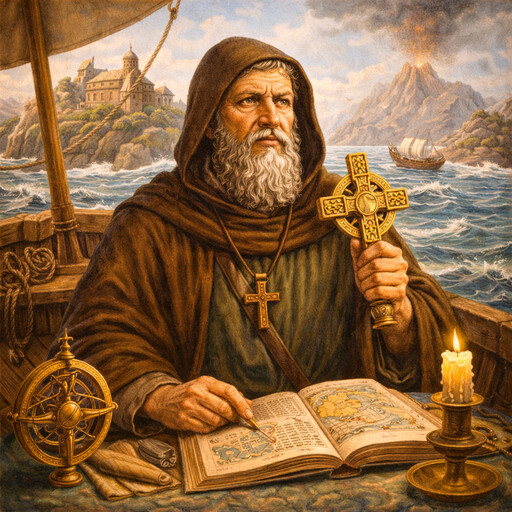
Brendan the Navigator
Early medieval Irish sea voyager
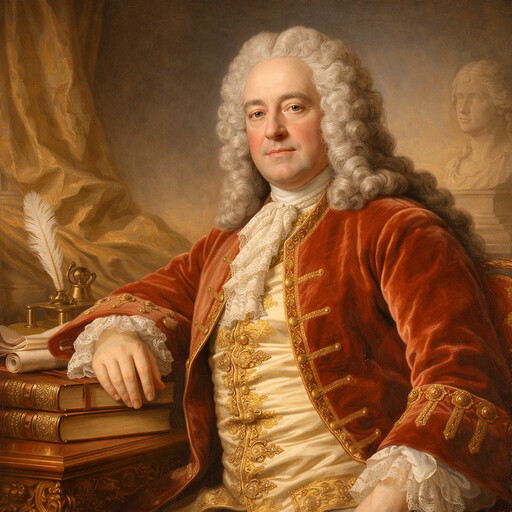
Robert Walpole
Early leader of Britain’s government
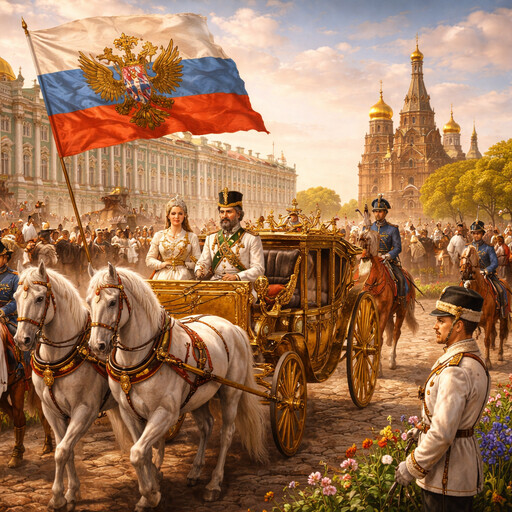
Russian Empire
Large empire ruled by Russian monarchs
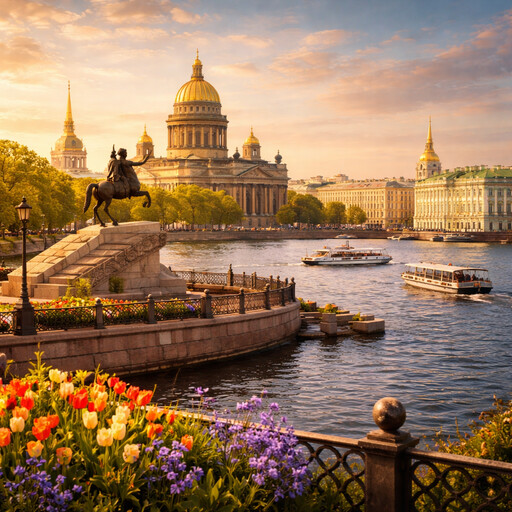
Saint Petersburg
Historic city in northwest Russia
Hirohito
Emperor of Japan during World War II
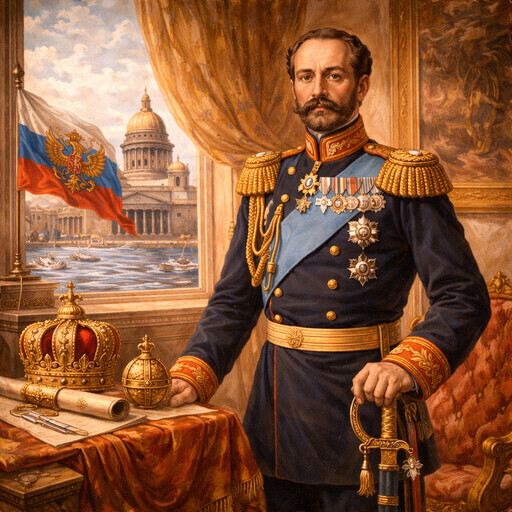
Alexander II
Russian emperor during major reforms
Nicholas II
Last emperor of imperial Russia
Leon Trotsky
Revolutionary leader of early Soviet Russia
Vladimir Lenin
Leader of the Russian Revolution