Nicholas II was the last Emperor of Russia, also called tsar, a title used by Russian rulers. He was born on 18 May 1868 in Tsarskoye Selo, near Saint Petersburg. He became emperor in 1894 after the death of his father, Alexander III. Nicholas II ruled a vast empire with many peoples and regions. His reign took place during a time of fast social and economic change.
Nicholas II ruled as an autocrat, which means he held most political power himself. At the start of his reign, Russia was mainly an agricultural country, but industry was growing in cities. Many workers faced long hours and low pay. These conditions led to protests and strikes. Nicholas II believed strongly in monarchy and resisted sharing power with elected bodies.
In 1904, Russia entered the Russo-Japanese War, a conflict with Japan over influence in East Asia. Russia was defeated in 1905. This loss weakened trust in the government. In the same year, large demonstrations took place across Russia. One event, known as Bloody Sunday, occurred when soldiers fired on peaceful protesters in Saint Petersburg. These events are part of the 1905 Revolution.
After 1905, Nicholas II agreed to create a parliament called the Duma. A parliament is an elected body that helps make laws. However, the emperor kept the power to limit or dismiss the Duma. Political tensions continued. While some reforms were made, many people remained dissatisfied with the government.
In 1914, Russia entered World War I on the side of the Allies. The war placed great strain on the economy, the army, and the population. Food shortages and military losses increased unrest. In 1917, widespread protests broke out in major cities. Soldiers joined the protesters. Nicholas II lost the support of key groups and decided to give up the throne. This act is called abdication, which means giving up power.
After his abdication in March 1917, Nicholas II and his family were held under guard. Later, during the Russian Civil War, they were moved to the city of Yekaterinburg. In July 1918, Nicholas II, his wife Alexandra, and their children were executed by Bolshevik guards. With his death, the rule of the Romanov family ended. Russia soon became a new type of state after years of conflict.
Nicholas II
Level
readlittle.com
Last emperor of imperial Russia
What We Can Learn
- Nicholas II ruled Russia from 1894 to 1917
- He was the last emperor of the Romanov dynasty
- His reign included war, unrest, and revolution
- He abdicated during the Russian Revolution
Related Reads

Ivan III
Founder of a unified Russian state

Revolutions of 1848
Uprisings across Europe in 1848
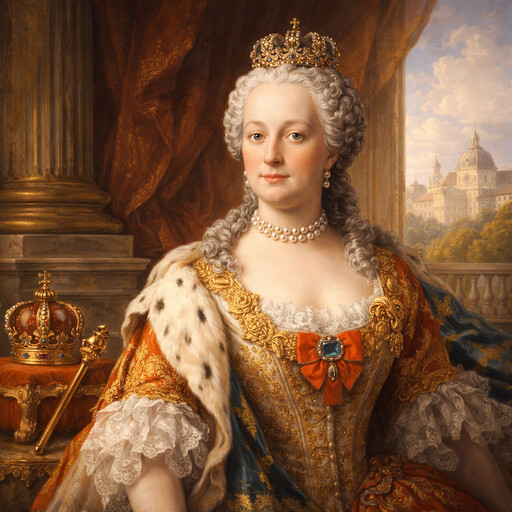
Maria Theresa
Powerful ruler of the Habsburg lands

Peter the Great
Russian ruler who reshaped his country
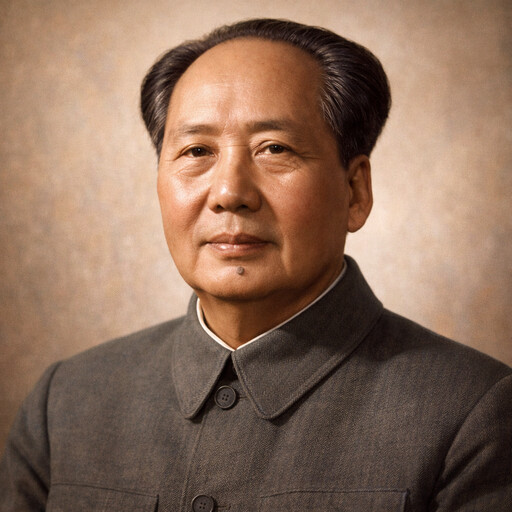
Mao Zedong
Leader of modern Communist China
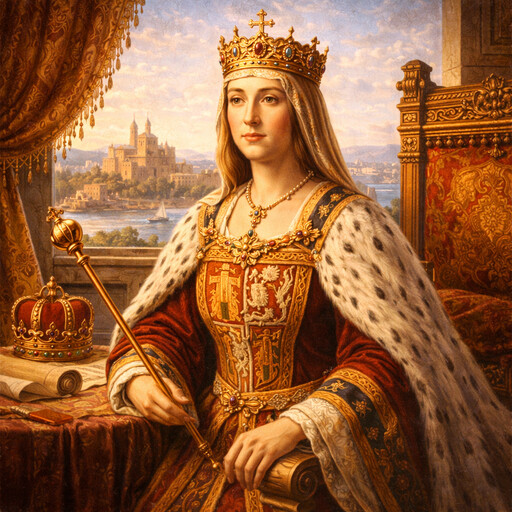
Isabella I
Queen of Castile and Spain’s unification
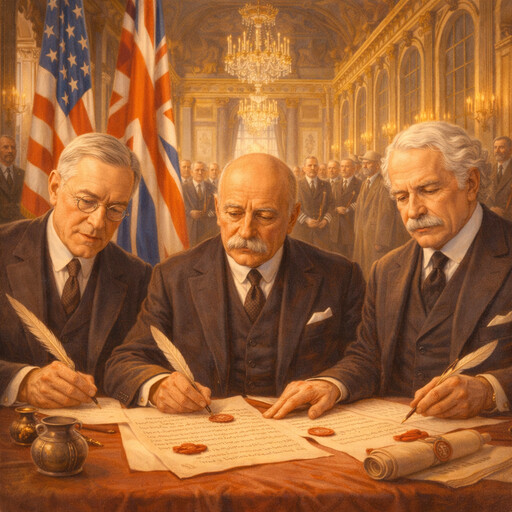
Treaty of Versailles
Peace agreement ending World War I
Mustafa Kemal Atatürk
Founder of modern Turkey
Fritz Haber
German chemist of the early 1900s
Robert Walpole
Early leader of Britain’s government
Zeppelin
Large rigid airship for flight

David Lloyd George
British prime minister during World War I