Isabella I was queen of Castile from 1474 until her death in 1504. She ruled during a period of major change in the Iberian Peninsula, the land that includes modern Spain and Portugal. Isabella became one of the most powerful rulers of her time through her marriage and her authority as queen. Her reign is linked with the political joining of Castile and Aragon, the end of Muslim rule in Granada, and the start of overseas exploration under the Spanish crown. These events occurred while Isabella held the highest power in Castile.
Isabella was born on 22 April 1451 in Madrigal de las Altas Torres, in the Kingdom of Castile. Her father was King John II of Castile, and her mother was Isabella of Portugal. When her father died, Isabella’s half-brother Henry IV became king. During Henry’s reign, disagreements over succession, meaning who would inherit the throne, caused conflict among nobles. Isabella grew up aware of these struggles. In 1469, she married Ferdinand of Aragon. A kingdom is a land ruled by a king or queen. The marriage joined two important royal families.
In 1474, after King Henry IV died, Isabella claimed the throne of Castile. Some nobles supported another claimant, which led to a short civil war. A civil war is a conflict within the same country. Isabella and Ferdinand won the struggle, and Isabella was recognized as queen. Although Isabella and Ferdinand ruled together, they kept their kingdoms separate in law. Isabella ruled Castile, and Ferdinand ruled Aragon. Together, they are often called the Catholic Monarchs. Their shared rule increased stability and royal power.
One major event during Isabella’s reign was the conquest of Granada in 1492. Granada was the last Muslim-ruled kingdom in the Iberian Peninsula. The conflict that led to its capture is known as the Granada War. After years of fighting, Granada surrendered to Isabella and Ferdinand. This ended Muslim political control in the region. Afterward, the rulers issued laws that affected religious groups, including Jews and Muslims. A decree is an official order by a ruler. These laws required conversion to Christianity or departure from the kingdom.
Isabella also supported overseas exploration. In 1492, she approved a voyage led by Christopher Columbus. Columbus sailed west across the Atlantic Ocean and reached lands in the Americas. Isabella’s support allowed the Spanish crown to claim these territories. This began a long period of Spanish activity overseas. The Spanish crown organized trade, settlement, and government in these new lands. Isabella did not travel herself, but decisions made during her reign connected Castile to distant regions.
Isabella worked to strengthen royal government in Castile. She reduced the power of some nobles and improved systems of law and finance. Courts and councils were expanded to manage the kingdom. Education and religious institutions were supported under royal control. Isabella died on 26 November 1504. After her death, her daughter Joanna inherited the crown of Castile. Isabella I is remembered as a ruler whose reign marked the transition from medieval kingdoms to a more unified Spanish state.
Isabella I
Level
readlittle.com
Queen of Castile and Spain’s unification
What We Can Learn
- Isabella I ruled Castile from 1474 to 1504
- Her marriage linked Castile and Aragon
- Granada was captured during her reign
- Overseas exploration began under her authority
Related Reads
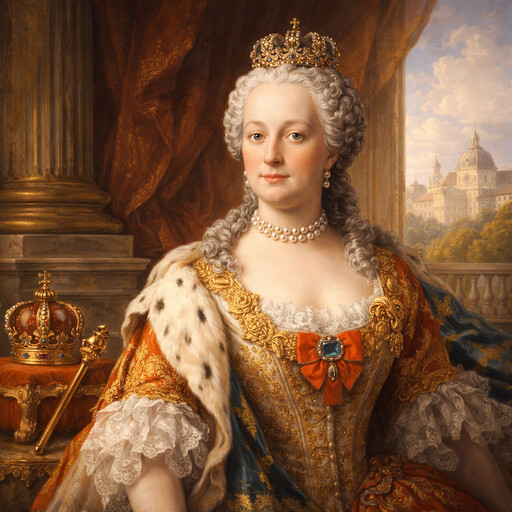
Maria Theresa
Powerful ruler of the Habsburg lands

Ivan III
Founder of a unified Russian state

Peter the Great
Russian ruler who reshaped his country
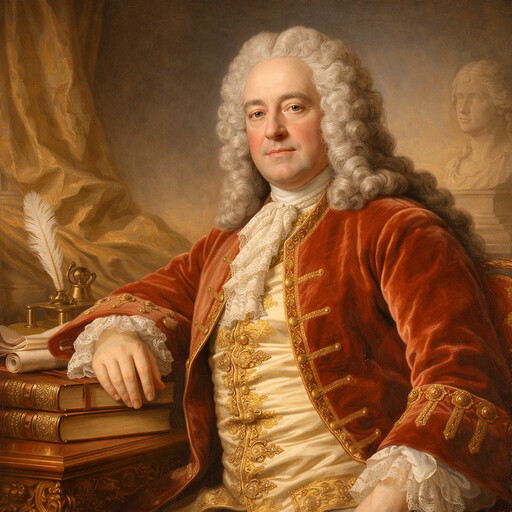
Robert Walpole
Early leader of Britain’s government
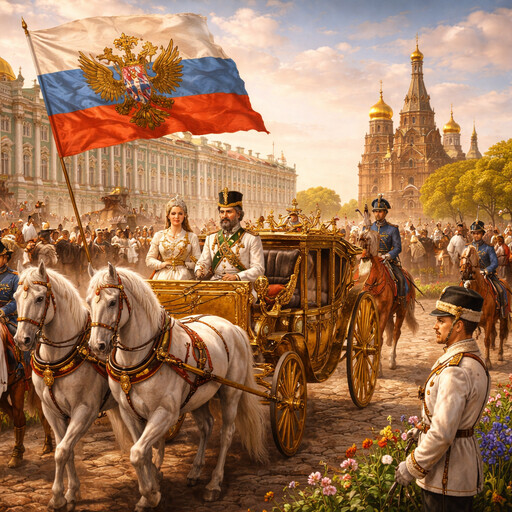
Russian Empire
Large empire ruled by Russian monarchs
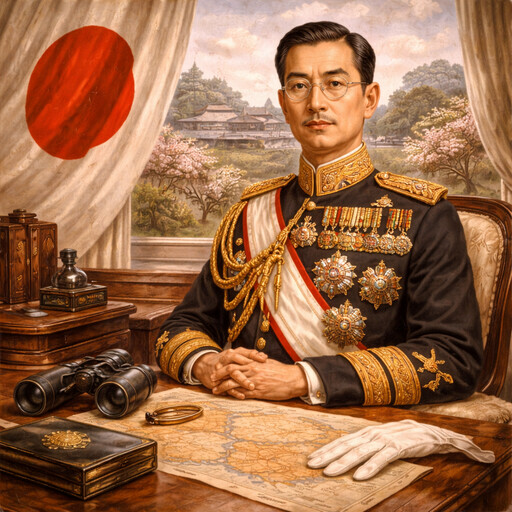
Hirohito
Emperor of Japan during World War II
Spanish Civil War
Conflict in Spain before World War II
Francisco Franco
Spanish military leader and ruler
Nicholas I
Russian emperor during the mid-1800s
Alexander II
Russian emperor during major reforms
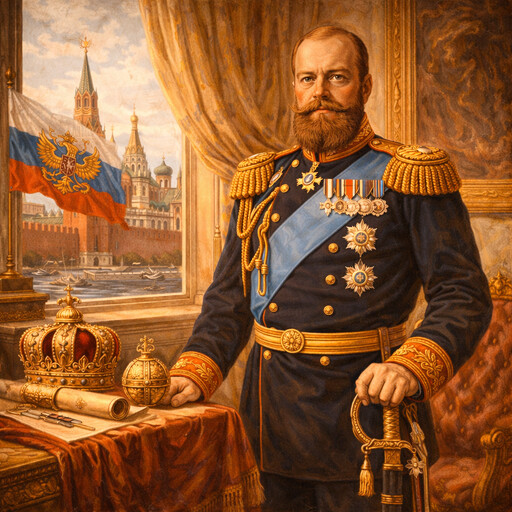
Alexander III
Russian emperor after major reforms
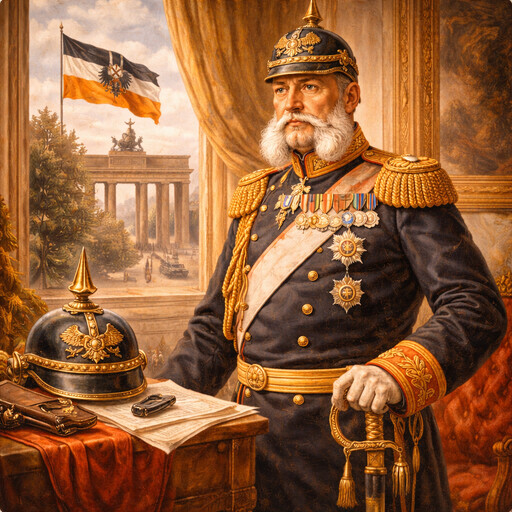
Wilhelm I
First emperor of unified Germany