Alexander II of Russia was Emperor of Russia from 1855 until his death in 1881. He was born on 29 April 1818 in Moscow and belonged to the Romanov family, which ruled Russia for centuries. Alexander II became emperor after the death of his father, Nicholas I. His reign began during the final years of the Crimean War and continued during a time of change inside and outside Russia.
Alexander II came to power when Russia faced many problems. The Crimean War had shown weaknesses in the army, transportation, and government systems. After the war ended in 1856, the new emperor began to introduce reforms. A reform is a planned change meant to improve how something works. Alexander II believed that changes were needed to modernize the empire and manage its large population.
One of the most important acts of his reign was the Emancipation of the Serfs in 1861. Serfs were peasants who were legally tied to land owned by nobles and had limited freedom. The emancipation law freed millions of serfs and allowed them to marry, own property, and work for wages. Although the change did not solve all rural problems, it marked a major shift in Russian society.
Alexander II also introduced reforms in other areas. He reorganized the legal system by creating new courts and allowing trials with judges and lawyers. Some trials were held in public. He also reformed local government by creating elected councils called zemstvos. These councils helped manage schools, roads, and health services in rural areas. Military reforms reduced the length of army service and improved training.
Despite these reforms, Alexander II faced opposition. Some groups believed the changes went too far, while others believed they did not go far enough. Revolutionary movements grew during his reign. These groups opposed the monarchy and used violence to try to force political change. Several attempts were made on the emperor’s life over the years.
On 13 March 1881, Alexander II was killed in Saint Petersburg by a bomb thrown by members of a revolutionary group called People’s Will. After his death, his son Alexander III became emperor. Many reforms slowed or stopped under the new ruler. Alexander II is remembered as a ruler whose reign included major changes and strong resistance during a difficult period in Russian history.
Alexander II
Level
readlittle.com
Russian emperor during major reforms
What We Can Learn
- Alexander II ruled Russia from 1855 to 1881
- He ended serfdom with the Emancipation of 1861
- His reign included legal, military, and local reforms
- He was assassinated in Saint Petersburg
Related Reads
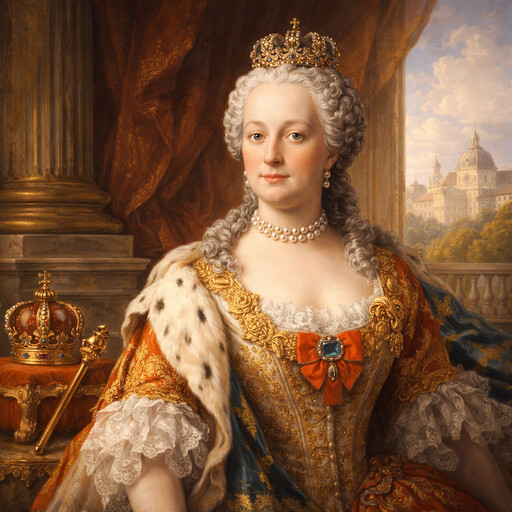
Maria Theresa
Powerful ruler of the Habsburg lands

Ivan III
Founder of a unified Russian state

Peter the Great
Russian ruler who reshaped his country
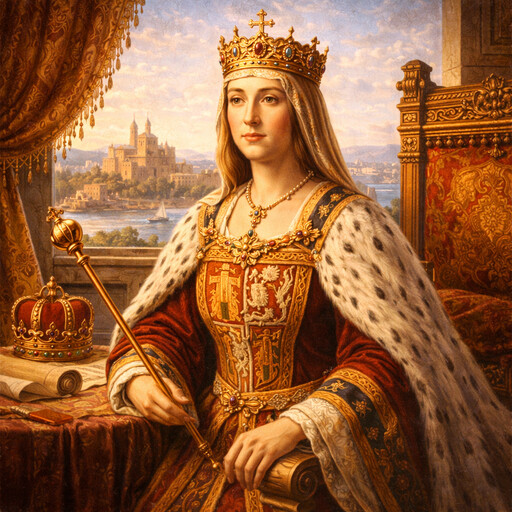
Isabella I
Queen of Castile and Spain’s unification
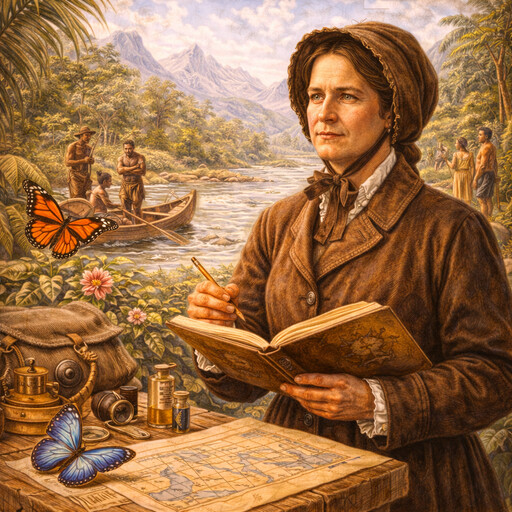
Ida Laura Pfeiffer
A traveler who journeyed around the world
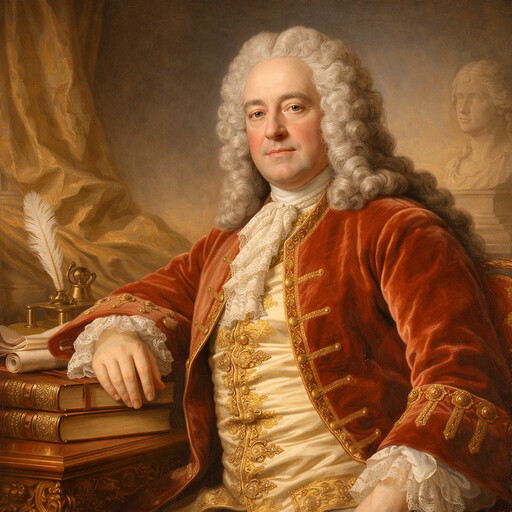
Robert Walpole
Early leader of Britain’s government
Russian Empire
Large empire ruled by Russian monarchs
Saint Petersburg
Historic city in northwest Russia
Hirohito
Emperor of Japan during World War II
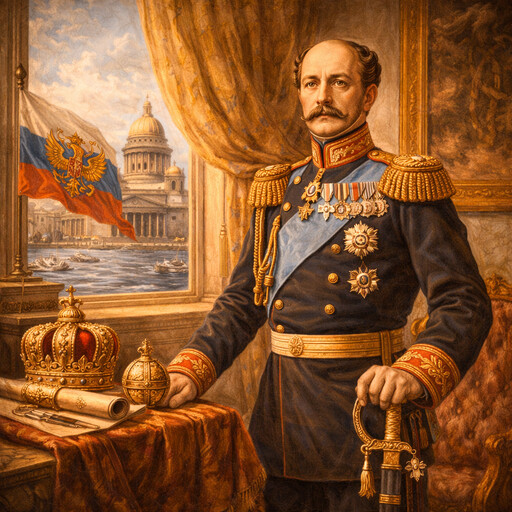
Nicholas I
Russian emperor during the mid-1800s
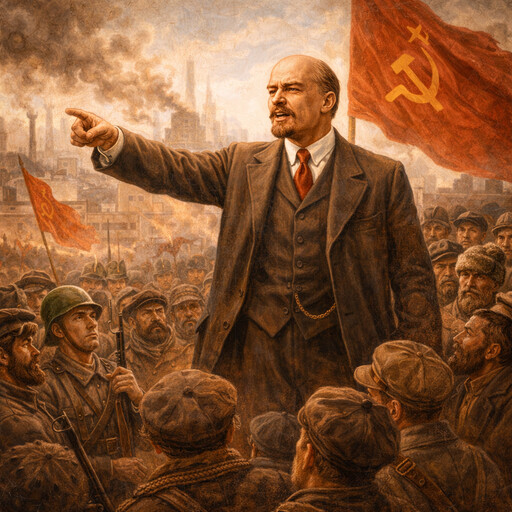
Vladimir Lenin
Leader of the Russian Revolution
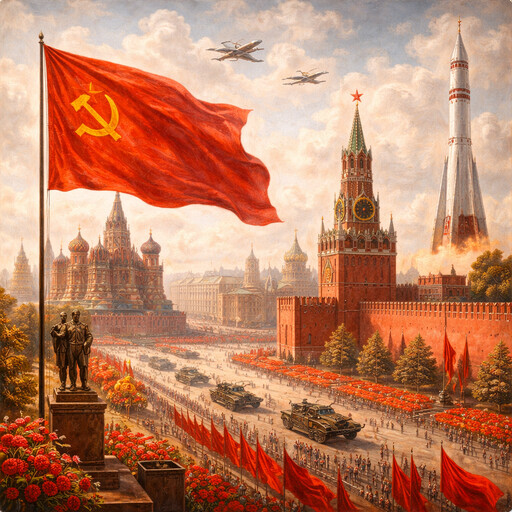
Soviet Union
Former socialist state in Eastern Europe