Eastern Europe is a large region of the continent of Europe. It lies east of Central Europe and west of Asia. There is no single official border that defines Eastern Europe. In common use, the region often includes countries such as Poland, Czech Republic, Slovakia, Hungary, Romania, Bulgaria, Ukraine, Belarus, Moldova, and Russia. These countries are grouped together because of their location and historical links.
The geography of Eastern Europe is wide and varied. There are large plains, mountain ranges, rivers, and forests. The Eastern European Plain is one of the largest flat land areas in Europe. Important rivers include the Danube, the Dnieper, and the Vistula. Rivers helped people settle, farm, and trade. Mountain ranges such as the Carpathians stretch across several countries and shape travel routes.
Eastern Europe has a mostly continental climate. A continental climate means hot summers and cold winters. Winters can be long and snowy, especially in northern and inland areas. Summers are often warm. Rainfall varies by place and season. This climate affects farming, housing, and daily life across the region.
The history of Eastern Europe is long and complex. Ancient peoples lived in this area, followed by Slavic groups who settled much of the region. Over time, powerful states and empires ruled parts of Eastern Europe. These included the Byzantine Empire, the Ottoman Empire, the Austro-Hungarian Empire, and the Russian Empire. Borders changed often as wars and treaties reshaped the region.
In the 20th century, many Eastern European countries experienced major political changes. After World War II, several countries became part of the Eastern Bloc. The Eastern Bloc was a group of countries influenced by the Soviet Union. During this time, many governments followed a communist system, meaning the state controlled most property and industry. In the late 20th century, these systems ended, and many countries formed new governments.
Today, Eastern Europe includes independent countries with different languages, cultures, and political systems. Some countries are members of the European Union, while others are not. Large cities such as Warsaw, Prague, Budapest, Kyiv, and Bucharest are important centers of population. Eastern Europe continues to play a major role in Europe because of its size, location, and history.
Eastern Europe
Level
readlittle.com
Region of countries in eastern Europe
What We Can Learn
- Eastern Europe is a region in the eastern part of Europe.
- The region includes countries such as Poland, Ukraine, and Romania.
- Eastern Europe has varied geography and a continental climate.
- The region has experienced many historical and political changes.
Related Reads
No image
Vienna
Capital city on the Danube River

Molotov–Ribbentrop Pact
Non-aggression agreement before World War II

Polish–Soviet War
War over borders after World War I

Vilnius
Historic capital city of Lithuania

Munich Agreement
1938 agreement over Czechoslovak territory

Revolutions of 1848
Uprisings across Europe in 1848
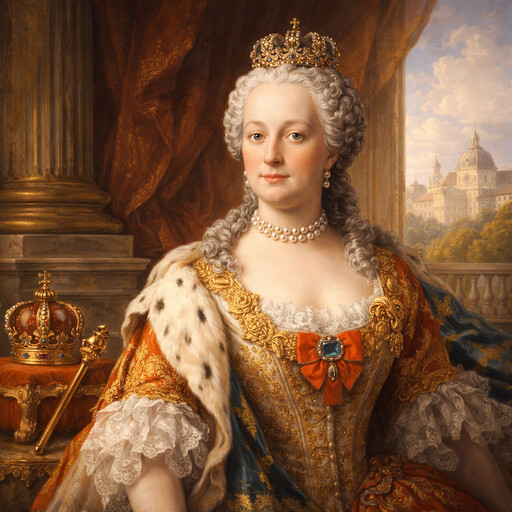
Maria Theresa
Powerful ruler of the Habsburg lands
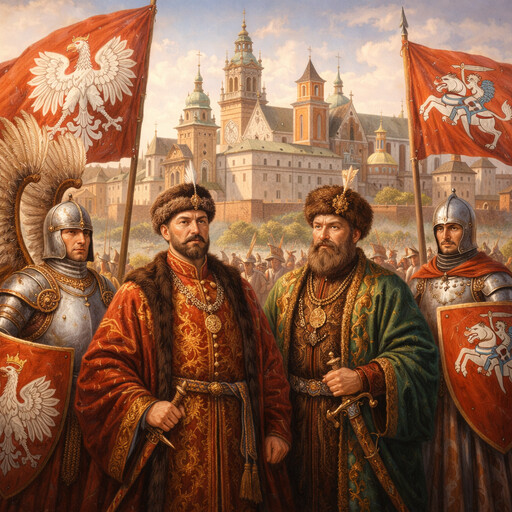
Polish–Lithuanian Commonwealth
A large early modern European state
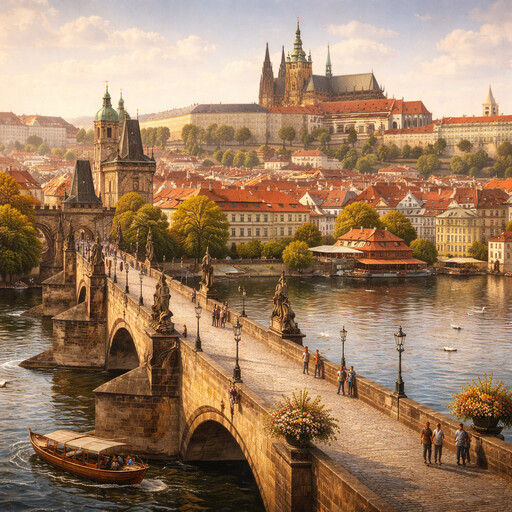
Prague
Historic capital city of the Czech Republic
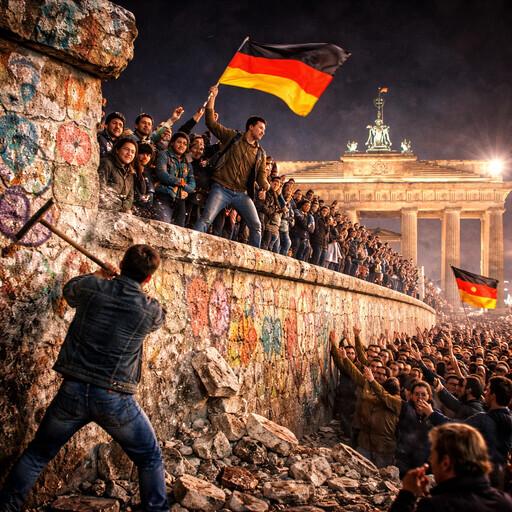
Fall of the Berlin Wall
End of Germany’s divided barrier
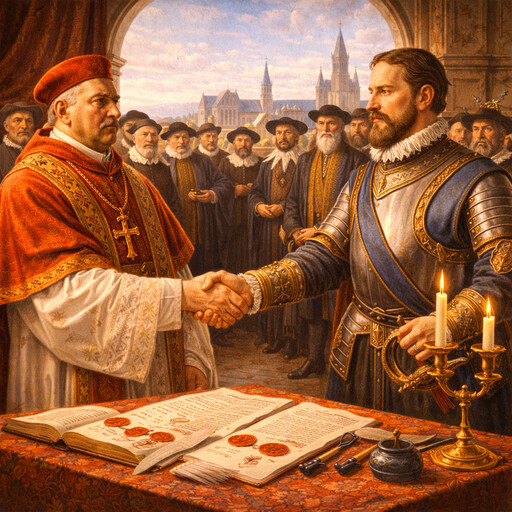
Peace of Westphalia
Treaties ending major European wars
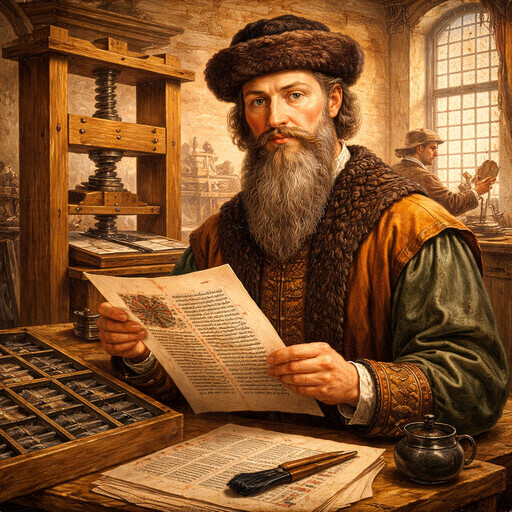
Johannes Gutenberg
Inventor of movable-type printing in Europe