The Iwakura Mission was a major journey made by Japan to other parts of the world in the early 1870s. It was organized by the Japanese government during the Meiji period. The mission was led by Iwakura Tomomi, a high-ranking official. A mission means a planned journey with a clear goal. The group traveled to learn how modern countries were governed and how their societies worked. This journey took several years and covered many countries.
Japan had recently ended a long period of isolation. For many years, the country limited contact with foreign nations. After this isolation ended, Japan began a time of change called the Meiji Restoration. This was a period when the government was reorganized and the emperor was restored to power. Leaders believed that Japan needed to learn from other countries to survive in a world of powerful nations. The Iwakura Mission was created to help gather knowledge directly from abroad.
The mission began in 1871. It included more than one hundred people. Among them were government officials, scholars, and students. Some young students stayed in foreign countries for many years to continue their education. The group traveled first to the United States. They later visited many European countries, including Britain, France, Germany, and Russia. Each country had different systems of government, education, and industry.
One important goal of the mission was to review existing treaties between Japan and Western countries. These treaties were signed earlier and often favored foreign powers. The Japanese leaders hoped to revise them. Revise means to change or improve something. However, they found that Japan was not yet strong enough to change these agreements. Even so, the mission gathered valuable information about law, diplomacy, and international relations.
During their travels, members of the Iwakura Mission carefully observed daily life. They visited factories, schools, parliaments, and military bases. A parliament is a group of people who make laws for a country. They studied railways, postal systems, banks, and hospitals. They also paid attention to how cities were planned and how education was organized. These observations were written down in detailed reports.
The Iwakura Mission returned to Japan in 1873. The information it brought back helped shape many reforms. New schools were created. The military was reorganized. Laws were rewritten. Japan continued to develop its industry and government using ideas learned during the mission. The Iwakura Mission is remembered as an important step in Japan’s efforts to understand the wider world and to modernize its society.
Iwakura Mission
Level
readlittle.com
Japanese study journey to the Western world
What We Can Learn
- The Iwakura Mission was a long overseas journey by Japanese leaders.
- It took place during the early Meiji period.
- The mission studied Western governments, schools, and industries.
- Its findings influenced many changes in Japan.
Related Reads

Munich Agreement
1938 agreement over Czechoslovak territory

Molotov–Ribbentrop Pact
Non-aggression agreement before World War II
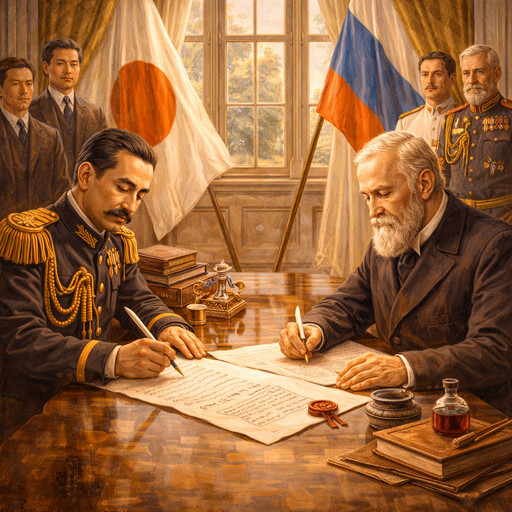
Treaty of Portsmouth
Peace agreement ending Russo-Japanese War

Henry Kissinger
American diplomat and foreign policy leader
John Adams
Second president of the United States
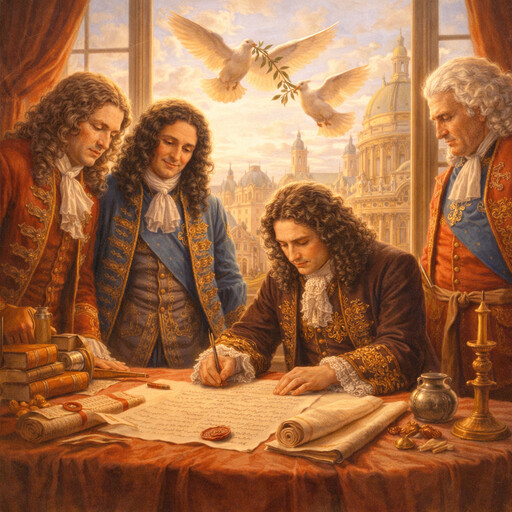
Peace of Utrecht
European treaties ending a major war
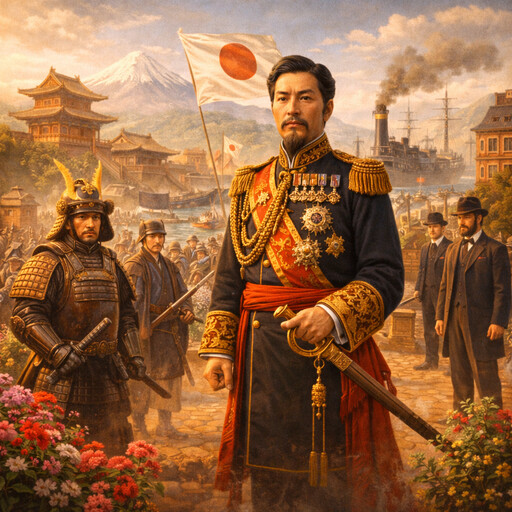
Meiji Restoration
Return of imperial rule in Japan

Congress of Vienna
European meeting after the Napoleonic Wars
Klemens von Metternich
Austrian statesman and European diplomat
July Crisis
Diplomatic crisis before World War I
Atomic bombings of Hiroshima and Nagasaki
Nuclear attacks in Japan during World War II
Hirohito
Emperor of Japan during World War II