The Revolutions of 1848 were a group of political and social uprisings that took place in many European countries during the year 1848. These events did not happen in one place only. They spread across France, the German states, the Austrian Empire, Italy, and other regions. People protested against old systems of rule. They asked for new laws, more political rights, and national independence. Although the revolutions were different in each place, they shared many similar goals and ideas.
Europe in the early 1800s was ruled mostly by kings, emperors, and nobles. Many governments were conservative, which means they tried to keep old traditions and power structures. Ordinary people had little say in how they were governed. Industrial growth had changed cities and work life. Many workers lived in poor conditions. At the same time, new ideas about freedom, equality, and national identity spread through books, newspapers, and meetings. These ideas helped create unrest, which means strong public dissatisfaction.
The first major uprising began in France in February 1848. People in Paris protested against King Louis-Philippe. He ruled as a constitutional monarch, but many felt the system was unfair. After days of fighting in the streets, the king left the country. France then declared the Second Republic. A republic is a state without a monarch, where leaders are chosen in other ways. The French events encouraged people in other countries to rise up as well.
In the Austrian Empire, uprisings happened in Vienna, Prague, and Budapest. The empire ruled over many different ethnic groups. Ethnic groups are communities of people with shared language or culture. Protesters demanded constitutions, which are written rules for government, and more rights for different nationalities. One important figure was Klemens von Metternich, a powerful minister. He resigned and left Vienna after protests. However, the imperial army later regained control in many areas.
In the German states, people called for unity and freedom. At that time, Germany was not a single country. It was made up of many small states. Representatives met in Frankfurt to create a national parliament. A parliament is a group that makes laws. They tried to write a constitution for a united Germany. Their plan failed because rulers refused to give up power, and the movement lost support. Similar uprisings also happened in Italy, where people wanted independence from foreign rule.
By the end of 1849, most revolutions had failed. Many leaders were arrested, exiled, or forced to stop their activities. Exile means being forced to live outside one’s homeland. Old governments returned to power. Even so, some changes remained. Serfdom, a system where peasants were tied to landowners, was ended in parts of Central Europe. The Revolutions of 1848 showed that many people wanted change and that old systems faced growing pressure.
Revolutions of 1848
Level
readlittle.com
Uprisings across Europe in 1848
What We Can Learn
- The revolutions occurred across many European regions
- They involved demands for rights, constitutions, and national unity
- France was the first major country to revolt in 1848
- Most uprisings failed, but some reforms remained
Related Reads
No image
Vienna
Capital city on the Danube River
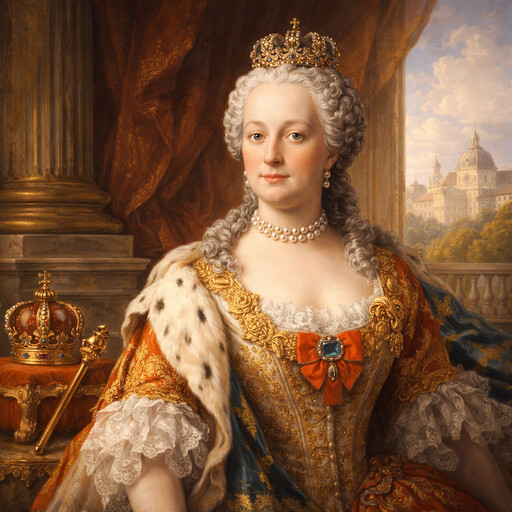
Maria Theresa
Powerful ruler of the Habsburg lands

Vilnius
Historic capital city of Lithuania

Polish–Soviet War
War over borders after World War I

Molotov–Ribbentrop Pact
Non-aggression agreement before World War II

Munich Agreement
1938 agreement over Czechoslovak territory

Fall of the Berlin Wall
End of Germany’s divided barrier
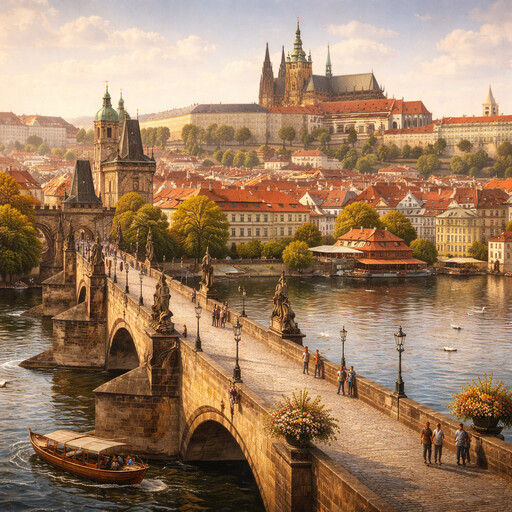
Prague
Historic capital city of the Czech Republic
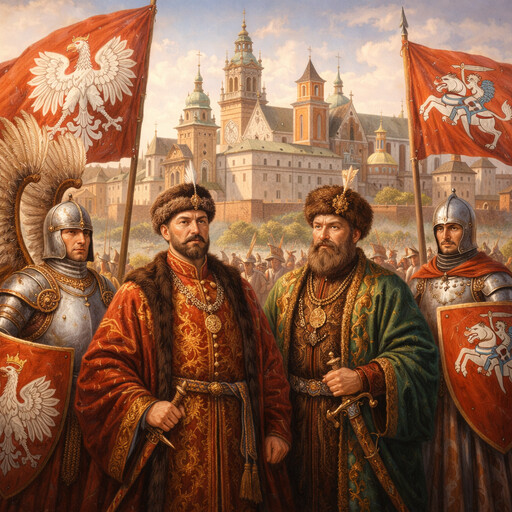
Polish–Lithuanian Commonwealth
A large early modern European state
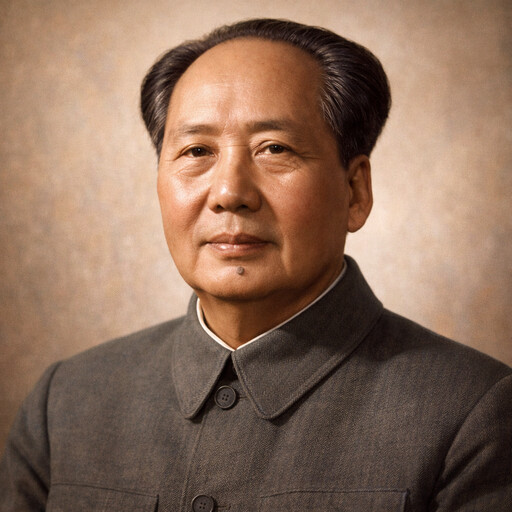
Mao Zedong
Leader of modern Communist China
Peace of Westphalia
Treaties ending major European wars
Johannes Gutenberg
Inventor of movable-type printing in Europe