Mole species spend nearly their entire lives underground. Cylindrical bodies, velvety fur that bends in any direction, and shovel-like forelimbs with enlarged claws allow them to excavate elaborate tunnel systems. The star-nosed mole adds 22 fleshy tentacles around its snout, which it uses to sense prey faster than any other mammal.
Moles create two types of tunnels: deep permanent highways for travel and shallow feeding runs just beneath the surface. As they dig, they push soil upward, forming characteristic molehills. Their diet consists mostly of earthworms, beetle larvae, and other soil invertebrates. Saliva of some species paralyzes worms, storing them alive in underground larders for later meals.
Although moles have tiny eyes and limited hearing, they rely on touch and smell to navigate. Vibrations from footsteps alert them to danger, causing rapid reversals through tunnels. They are solitary except during breeding season, when males search for females by following scent trails. Litters of three to five pups mature quickly and disperse to carve out their own territories.
Moles benefit ecosystems by loosening compacted soil, mixing organic matter, and controlling grubs that damage plant roots. However, their raised tunnels can disturb lawns and golf courses. Humane management focuses on tolerating moles in natural areas, installing underground barriers around prized beds, or encouraging predators like owls to keep populations balanced.
Students explore mole adaptations by modeling claw mechanics, mapping tunnel networks, or comparing soil before and after mole activity. By appreciating moles as master gardeners beneath our feet, communities can balance lawn care with wildlife needs.
Mole
Level
readlittle.com
Underground diggers that sculpt soil
What We Can Learn
- Moles are specialized diggers with shovel-like forelimbs and sensitive snouts.\n* Tunnel systems aerate soil and create molehills.\n* Diets rich in earthworms control underground pests.\n* Coexistence strategies include tolerating moles in wild areas and protecting sensitive beds.
Related Reads
Natural selection
How living things change over time

Socrates
A thinker of ancient Athens
Plato
A thinker of ancient Athens

Aristotle
A thinker of ancient Greece
Gorilla
Forest gardeners with gentle strength
Chimpanzee
Inventive problem-solvers of African forests

Alfred the Great
King of Wessex who defended England
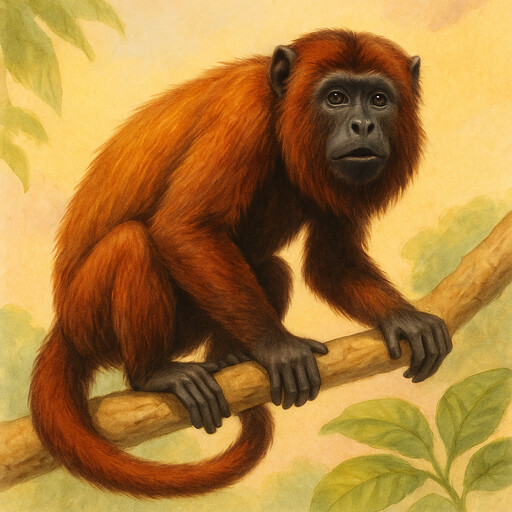
Howler monkey
Rainforest alarm bells
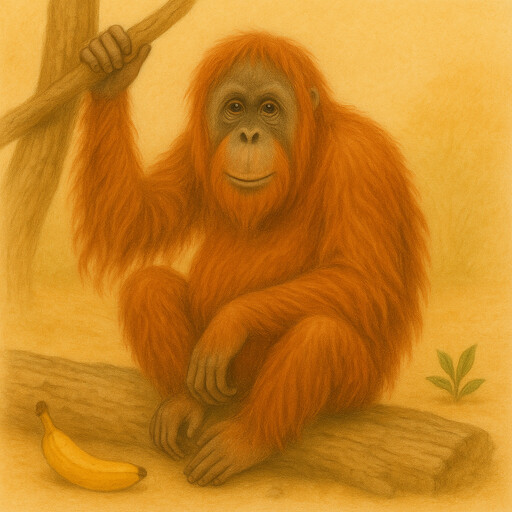
Orangutan
Solitary engineers of the canopy
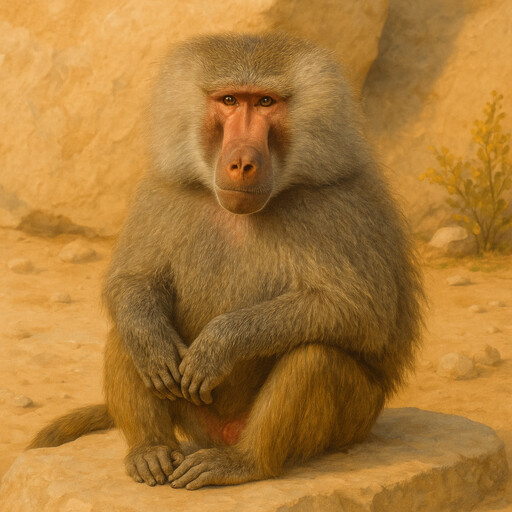
Baboon
Savanna troubleshooters
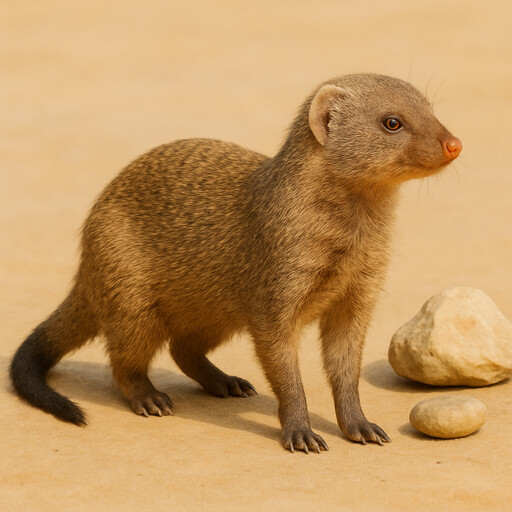
Mongoose
Quick hunters with shared dens
Gelada
Grass-eating monkeys of the highlands