Plankton is a collective term for organisms that float or drift in water rather than swim strongly. Phytoplankton are microscopic algae that use sunlight to make oxygen and sugars, while zooplankton are tiny animals such as copepods, krill, and larval fish that feed on phytoplankton or smaller zooplankton.
Every marine food web begins with phytoplankton. Through photosynthesis they produce at least half of earth's oxygen and take up large amounts of carbon dioxide. When they die, some sink to the deep ocean, locking away carbon for centuries.
Zooplankton transfer energy up the food chain. Krill feed whales, jellyfish, and penguins; copepods feed small fish, which in turn feed larger fish and seabirds. Some plankton glow through bioluminescence, lighting up breaking waves or startled predators at night.
Plankton populations depend on sunlight, nutrients, and temperature. Spring blooms occur when lengthening days and upwelling bring nutrients to surface waters. Conversely, pollution and warming seas can cause harmful algal blooms that produce toxins, closing shellfish beds and harming wildlife.
Scientists monitor plankton with microscopes, nets, satellites that detect chlorophyll, and autonomous floats. Understanding plankton helps predict fisheries success, track climate change, and design conservation strategies.
Plankton
Level
readlittle.com
Drifting life that powers the ocean
What We Can Learn
- Plankton are drifting organisms that include photosynthetic phytoplankton and animal zooplankton
- They generate much of Earth's oxygen and form the base of marine food webs
- Blooms reflect changes in sunlight, nutrients, and temperature
- Monitoring plankton reveals ecosystem health and climate trends
Related Reads

Eye
Organ used for seeing light
Sense
Ways humans receive information
Paul Ehrlich
Pioneer of modern medical science
Natural selection
How living things change over time
Botany
The study of plants and plant life
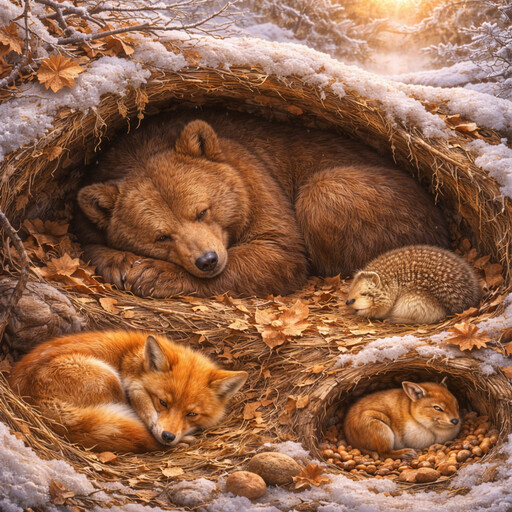
Dormancy
A temporary state of inactivity
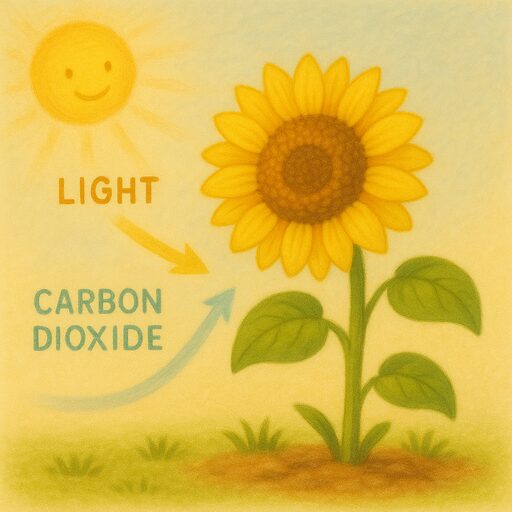
Photosynthesis
How plants make food using light
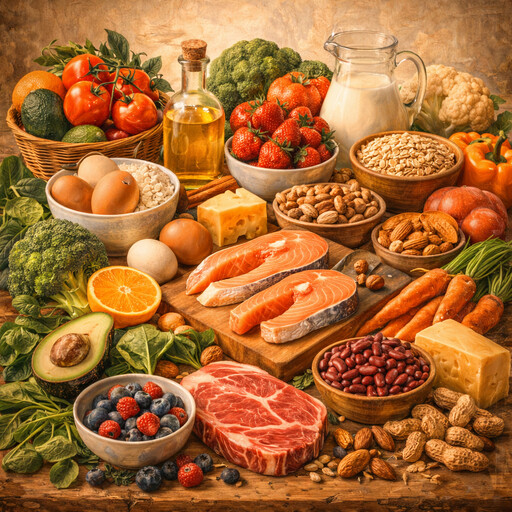
Nutrient
Substance needed for growth and life
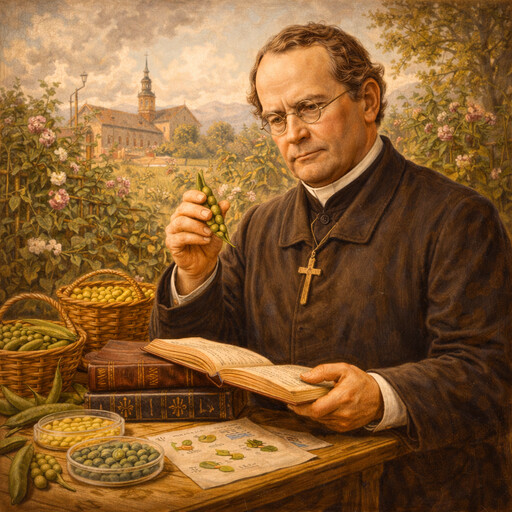
Gregor Mendel
Monk who studied inheritance in plants
Animal
Living organisms that eat other life
Plant
Living organism that makes its own food
Ecology
Study of living things and environments