Paul Ehrlich was a German scientist who worked in medicine and biology. He was born in 1854 in a town called Strehlen, which was part of the German states at that time. Ehrlich is known for his work on how the body defends itself against disease and how medicines can be designed to target illness. He helped shape modern medical science by combining careful observation with laboratory experiments.
As a young man, Ehrlich studied medicine at several universities in Germany. While studying, he became interested in how cells react to different dyes. A dye is a colored chemical used to stain cells so they can be seen under a microscope. Ehrlich noticed that some dyes attached to certain cells but not others. This led him to think that cells have specific parts that react only with certain substances. These early ideas later influenced how scientists understood the immune system.
Ehrlich worked closely with hospitals and research laboratories. He studied blood cells and bacteria, which are tiny living organisms that can cause disease. He helped describe different types of white blood cells. White blood cells are part of the immune system, the body’s defense system against infection. Ehrlich believed that the body uses specific tools to fight specific diseases. He described this idea as a "lock and key" process, where only the right substance fits the right target.
One of Ehrlich’s most important contributions was his work on treatments for infectious diseases. He searched for chemicals that could kill harmful bacteria without harming the patient. He called this idea the "magic bullet." A magic bullet was a medicine designed to attack a disease directly. In 1909, Ehrlich and his team developed a drug called Salvarsan. It was used to treat syphilis, a serious infectious disease. Salvarsan was one of the first modern drugs created through laboratory research.
Ehrlich also played a key role in the study of immunity. Immunity is the body’s ability to resist disease. He helped explain how antibodies work. Antibodies are special proteins made by the body to recognize and attach to germs. His research helped scientists understand vaccination, which is a method of preventing disease by training the immune system. These ideas later became central to modern medicine.
Paul Ehrlich received many honors for his work. In 1908, he shared the Nobel Prize in Physiology or Medicine with Élie Metchnikoff. The Nobel Prize is an international award given for major achievements in science. Ehrlich continued his research until his death in 1915. His work laid the foundation for modern drug development and immune science.
Paul Ehrlich
Level
readlittle.com
Pioneer of modern medical science
What We Can Learn
- Paul Ehrlich studied how the body fights disease
- He helped develop early treatments for infections
- He introduced the idea of targeted medicine
- His work improved understanding of immunity
Related Reads
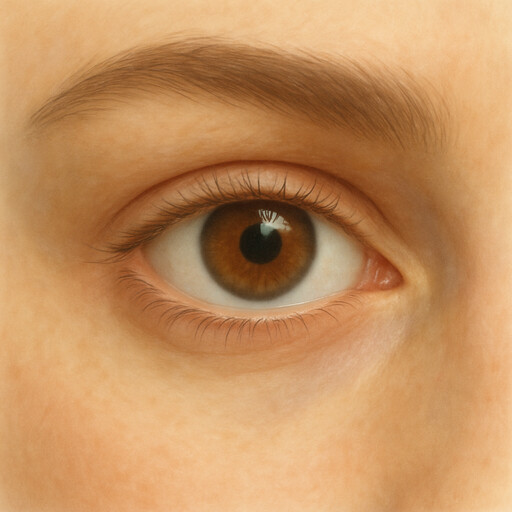
Eye
Organ used for seeing light

Sense
Ways humans receive information
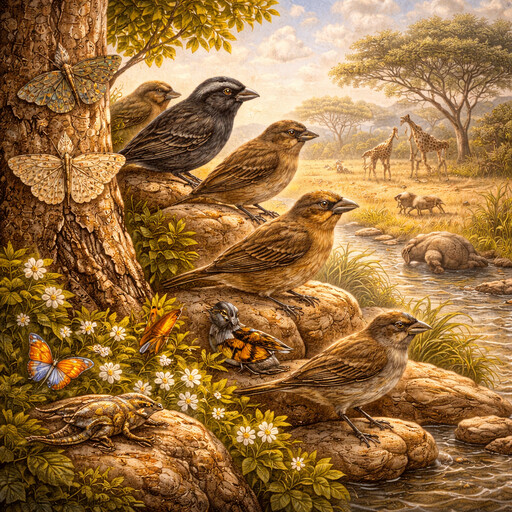
Natural selection
How living things change over time

Botany
The study of plants and plant life

Dormancy
A temporary state of inactivity
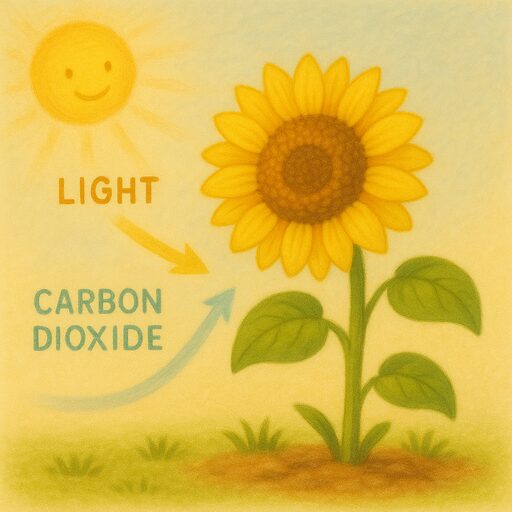
Photosynthesis
How plants make food using light
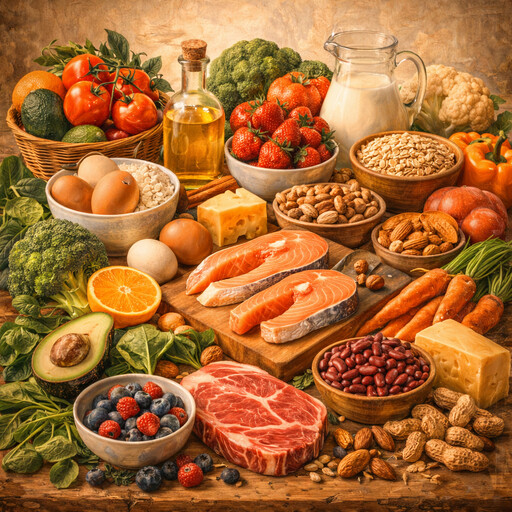
Nutrient
Substance needed for growth and life
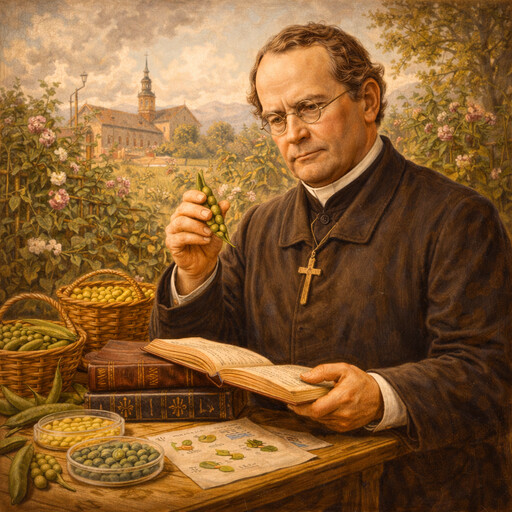
Gregor Mendel
Monk who studied inheritance in plants

Ecology
Study of living things and environments

Rachel Carson
Scientist and writer on nature

Plant
Living organism that makes its own food

Animal
Living organisms that eat other life