Wilhelm II was the last German Emperor, also called Kaiser, and the King of Prussia. He was born on 27 January 1859 in Berlin, which was then the capital of Prussia. He was the grandson of William I, the first German Emperor. Wilhelm II ruled Germany from 1888 to 1918. His reign took place during a time of strong industrial growth, international rivalry, and major political change in Europe.
Wilhelm II became emperor at the age of 29 after the death of his father, Frederick III. Frederick III ruled for only a short time because of illness. As emperor, Wilhelm II held great power. Germany at that time was a constitutional monarchy, meaning it had a parliament but the emperor still controlled the army and foreign policy. Wilhelm II took an active role in government and made many important decisions himself.
In 1890, Wilhelm II dismissed Otto von Bismarck, the long-serving chancellor who had helped unify Germany. A chancellor is the head of government. After Bismarck’s removal, Wilhelm II chose new leaders and followed his own policies. He supported the expansion of the German navy and overseas influence. This policy aimed to increase Germany’s presence in world affairs and led to competition with other European powers, especially Britain.
Wilhelm II ruled during a period of growing tension in Europe. Countries formed alliances for protection. Germany was part of the Triple Alliance with Austria-Hungary and Italy. Other powers formed their own alliances. These alliances increased the risk that a conflict between two countries could spread. Wilhelm II often used strong language in speeches and letters, which sometimes increased diplomatic tensions with other nations.
In 1914, World War I began after the assassination of Archduke Franz Ferdinand of Austria-Hungary. Germany supported Austria-Hungary, and the war quickly spread across Europe. During the war, Wilhelm II remained emperor, but military leaders took more control over decisions. The war caused great hardship across Europe and lasted for four years.
In 1918, Germany faced defeat. Protests and unrest spread within the country. Wilhelm II gave up the throne and left Germany. This act is called abdication, which means giving up power. He went into exile in the Netherlands, where he lived for the rest of his life. Germany became a republic after his abdication. Wilhelm II died on 4 June 1941 in the Netherlands. He was the last ruler of imperial Germany.
Wilhelm II
Level
readlittle.com
Last German emperor and Prussian king
What We Can Learn
- Wilhelm II ruled Germany from 1888 to 1918
- He was both German Emperor and King of Prussia
- His reign included World War I
- He abdicated and lived in exile after 1918
Related Reads

Peter the Great
Russian ruler who reshaped his country
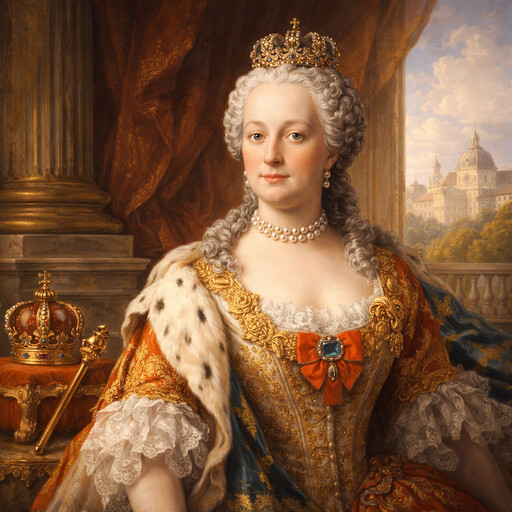
Maria Theresa
Powerful ruler of the Habsburg lands

Józef Piłsudski
Leader of modern independent Poland

Ivan III
Founder of a unified Russian state

Fall of the Berlin Wall
End of Germany’s divided barrier
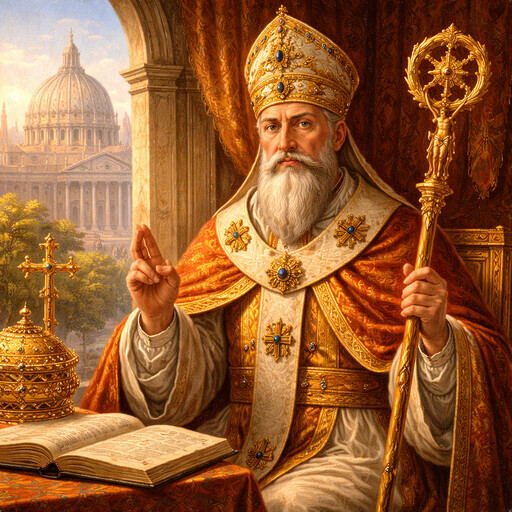
Pope Gregory VII
Medieval pope and church reformer
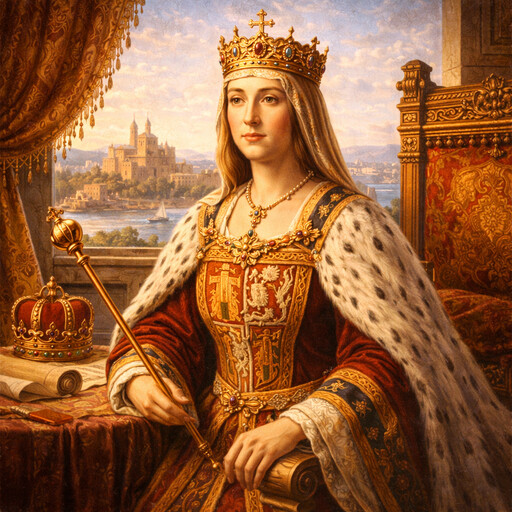
Isabella I
Queen of Castile and Spain’s unification
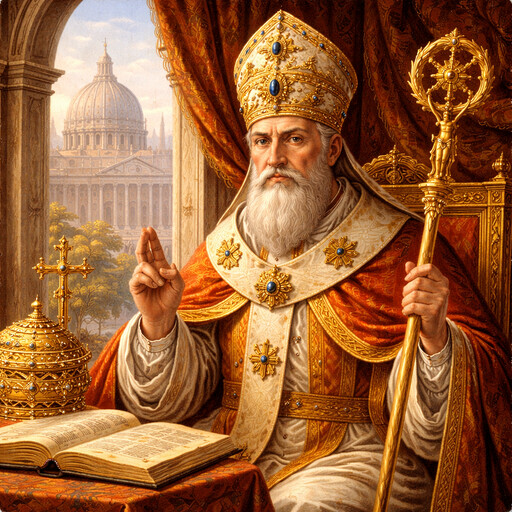
Pope Boniface VIII
Medieval pope and royal conflict
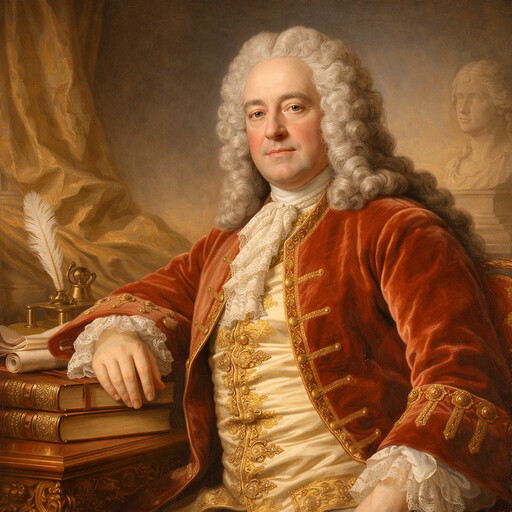
Robert Walpole
Early leader of Britain’s government
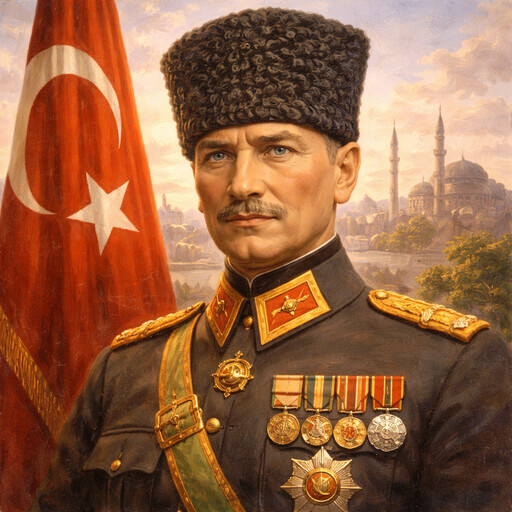
Mustafa Kemal Atatürk
Founder of modern Turkey
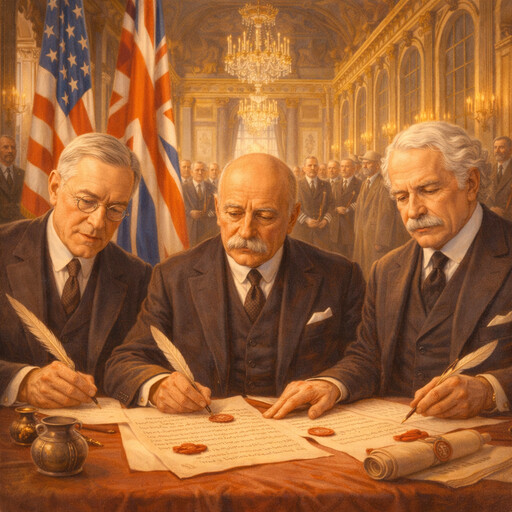
Treaty of Versailles
Peace agreement ending World War I
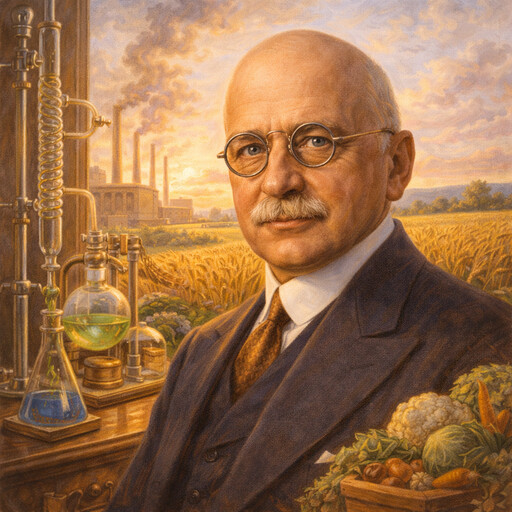
Fritz Haber
German chemist of the early 1900s