Sea otters live in frigid waters from Alaska to California and across parts of Russia. Unlike other marine mammals, they lack blubber, so they rely on the densest fur in the animal kingdom—nearly one million hairs per square inch. Before and after meals, otters groom endlessly, trapping air bubbles between hairs to form an insulating blanket. They wrap themselves in kelp fronds to stay anchored while they sleep, paws tucked under their chins.
Otters forage on the seafloor for sea urchins, crabs, clams, and abalones. Each otter keeps a favorite rock tucked into loose underarm skin that functions like a pocket. Holding prey on their bellies, they smash shells with the rock or use sharp teeth to pry them open. By eating voraciously—up to a quarter of their body weight daily—they control sea urchin populations, allowing kelp forests to thrive and shelter countless fish.
Sea otters live in loose groups called rafts. Mothers give birth in kelp beds, grooming pups until they are buoyant clouds of fur. Pups ride on their mother’s belly while she dives, often leaving the youngster wrapped in kelp to keep it from drifting away. After about six months the pup can dive, hunt, and groom independently. Otters communicate with whistles, squeaks, and playful splashing, and they rub noses when reuniting with friends.
Hunting in the fur trade nearly wiped out sea otters by the early 1900s, but international protection and reintroduction programs have restored many populations. Today, threats include oil spills, coastal pollution, entanglement in fishing gear, and disease carried from land through storm drains. Scientists monitor otters with aerial surveys, attach flipper tags, and test for toxins, while communities reduce runoff and support kelp restoration so these fuzzy marine carnivores can keep sculpting healthy shorelines.
Sea otter
Level
readlittle.com
Kelp forest guardians with pocketed fur
What We Can Learn
- Dense fur traps insulating air bubbles that keep otters warm.
- Rocks stored in an underarm pocket help crack shellfish.
- Otters devour urchins, protecting kelp forests from overgrazing.
- Pollution control, gear modifications, and kelp restoration keep otter numbers stable.
Related Reads
Natural selection
How living things change over time

Nutrient
Substance needed for growth and life
Cactus
Plant adapted to dry environments

Plant
Living organism that makes its own food
Animal
Living organisms that eat other life

Ecology
Study of living things and environments
Amazon rainforest
Vast tropical forest in South America
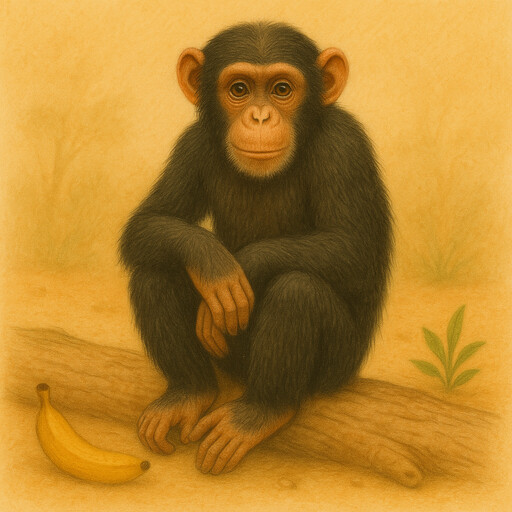
Chimpanzee
Inventive problem-solvers of African forests
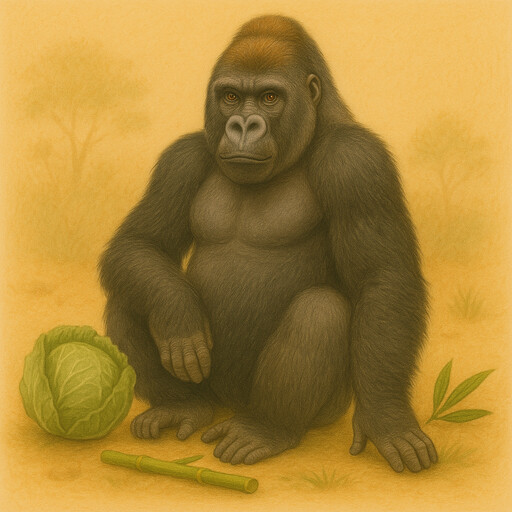
Gorilla
Forest gardeners with gentle strength
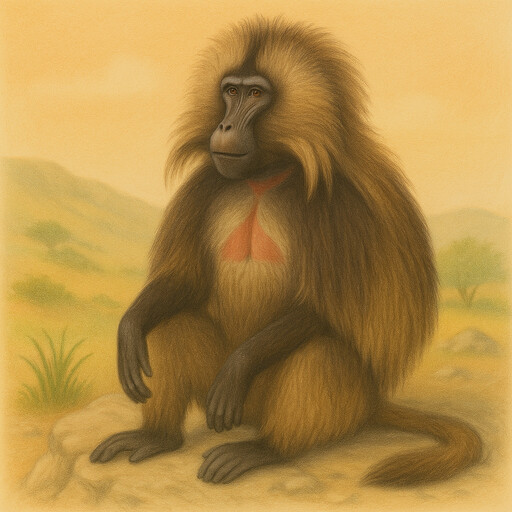
Gelada
Grass-eating monkeys of the highlands
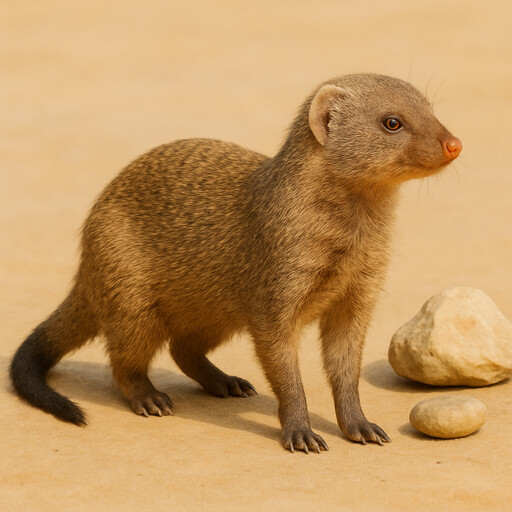
Mongoose
Quick hunters with shared dens
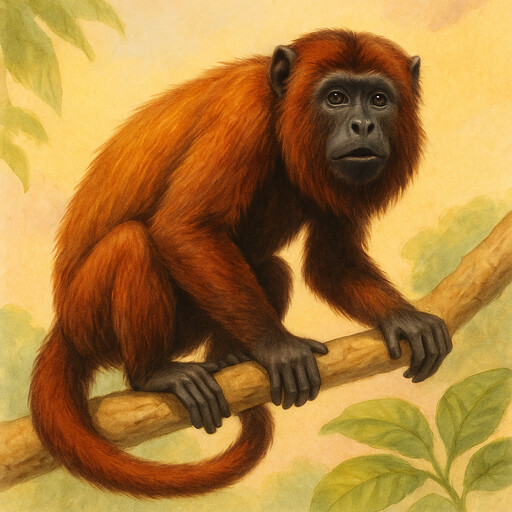
Howler monkey
Rainforest alarm bells