Coral animals belong to the cnidarian group, cousins of jellyfish and sea anemones. Each coral polyp is a tiny tube with tentacles that capture plankton. Polyps live together in colonies and secrete calcium carbonate skeletons that stack upward through time, forming reefs that can stretch for hundreds of kilometers.
Most reef-building corals host microscopic algae called zooxanthellae inside their tissues. The algae share sugars made through photosynthesis, while the coral provides shelter and nutrients. Because the algae need sunlight, reefs thrive in clear, shallow tropical water between 18 and 30 °C.
Reefs create complex habitats. Branching corals shelter fish, massive boulders protect turtles, and sandy lagoons support seagrass beds. Coastal communities rely on reefs for food, tourism, and natural breakwaters that soften storm waves. Scientists call reefs the "rainforests of the sea" because they host such high biodiversity.
Stressful conditions cause corals to expel their algae, turning the colony white in a process called bleaching. Heat waves, pollution, sediment runoff, and ocean acidification can trigger bleaching or slow skeleton growth. Crown-of-thorns starfish outbreaks and destructive fishing practices also damage reefs.
Protecting coral requires reducing greenhouse-gas emissions, managing coastal development, and establishing marine protected areas. Citizens can help by using reef-safe sunscreen, avoiding anchoring on corals, and supporting reef restoration projects that plant nursery-grown coral fragments back onto damaged reefs.
Coral
Level
readlittle.com
Living reefs built by tiny animals
What We Can Learn
- Corals are small animals that build reefs from calcium carbonate
- Symbiotic algae provide much of the energy corals need
- Reefs supply habitat, food, and coastal protection
- Heat, pollution, and acidification cause bleaching, so conservation is crucial
Related Reads
Eye
Organ used for seeing light
Sense
Ways humans receive information
Paul Ehrlich
Pioneer of modern medical science
Natural selection
How living things change over time
Botany
The study of plants and plant life
Dormancy
A temporary state of inactivity
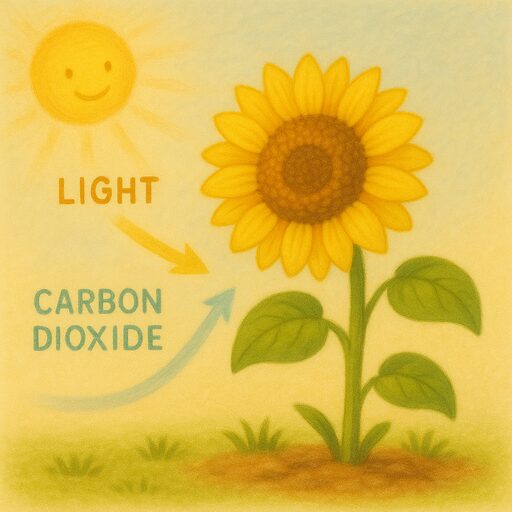
Photosynthesis
How plants make food using light
Nutrient
Substance needed for growth and life
Gregor Mendel
Monk who studied inheritance in plants
Rachel Carson
Scientist and writer on nature
Animal
Living organisms that eat other life
Plant
Living organism that makes its own food