Zheng He was a Chinese explorer, sailor, and admiral who lived during the early Ming dynasty. He was born in 1371 in Yunnan, a region in southwest China. His original name was Ma He. He later received the name Zheng He from the Chinese emperor. Zheng He is known for leading seven large sea voyages. These voyages were ordered by the Ming emperors and took place between 1405 and 1433. The journeys reached far across the seas and connected China with many distant lands.
Zheng He grew up during a time of change in China. The Ming dynasty had just come to power after defeating the Yuan dynasty. As a young boy, Ma He was taken into service by the Ming army. He later became a trusted servant of Zhu Di, who became the Yongle Emperor. An emperor is the ruler of a large empire. Because of his loyalty and skill, Ma He was given the new name Zheng He and promoted to high rank. He became an admiral, which means a leader of a large naval force.
The Ming emperors wanted to show China’s power and build connections with other regions. Zheng He was chosen to lead a huge fleet called the treasure fleet. This fleet included hundreds of ships and tens of thousands of sailors, soldiers, and workers. Some ships were very large and carried goods such as silk, porcelain, and coins. These goods were used as gifts for foreign rulers. Zheng He’s fleet sailed from China to Southeast Asia, South Asia, the Middle East, and the east coast of Africa.
During the voyages, Zheng He visited places such as present-day Vietnam, India, Sri Lanka, Arabia, and East Africa. He met local rulers and exchanged gifts. Some rulers sent ambassadors back to China. An ambassador is a person who represents a country in another land. Zheng He also brought back animals and items unknown in China at the time. One famous example is a giraffe from Africa, which amazed people at the Ming court. The voyages followed known sea routes, but they were larger and more organized than earlier trips.
Zheng He’s voyages were carefully planned and controlled by the government. The fleet used maps, stars, and compasses to navigate. Navigation is the skill of finding the correct direction while traveling. The ships stopped at ports to repair vessels and gather supplies. Even though the voyages were peaceful in purpose, Zheng He sometimes used force when faced with threats or piracy. Piracy means robbery at sea. His fleet was strong enough to protect itself and maintain order along trade routes.
After Zheng He’s final voyage, the Ming government ended these large sea expeditions. Later emperors chose to focus more on protecting China’s borders on land. Zheng He died around 1433 or 1435. Over time, records of his voyages became less known. In modern times, historians have studied old documents and ships’ remains to learn more about his travels. Zheng He is remembered as a key figure in early global contact through peaceful sea travel.
Zheng He
Level
readlittle.com
Admiral who led great ocean voyages
What We Can Learn
- Zheng He was a Chinese admiral during the Ming dynasty.
- He led seven major sea voyages.
- His fleet traveled across the Indian Ocean.
- The voyages connected China with Asia and Africa.
Related Reads
Deng Xiaoping
Chinese leader of reform era
Mao Zedong
Leader of modern Communist China
Atlantic slave trade
Forced movement of enslaved people across Atlantic
Second Opium War
Renewed conflict between China and Western powers
Qing dynasty
Last imperial dynasty of China
First Opium War
Conflict between Qing China and Britain
Treaty of Nanking
First unequal treaty between China and Britain
Cape of Good Hope
Southern headland of Africa
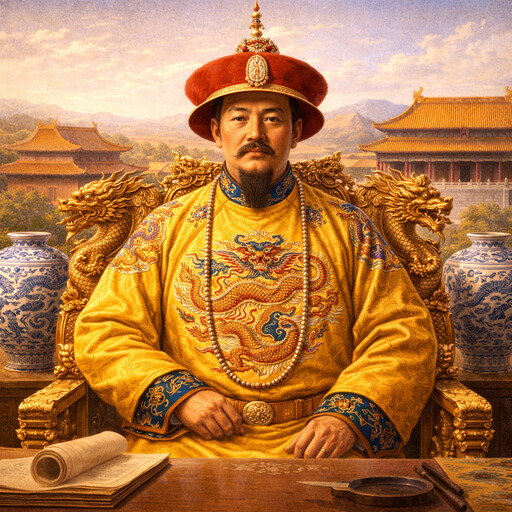
Ming dynasty
Chinese dynasty from 1368 to 1644
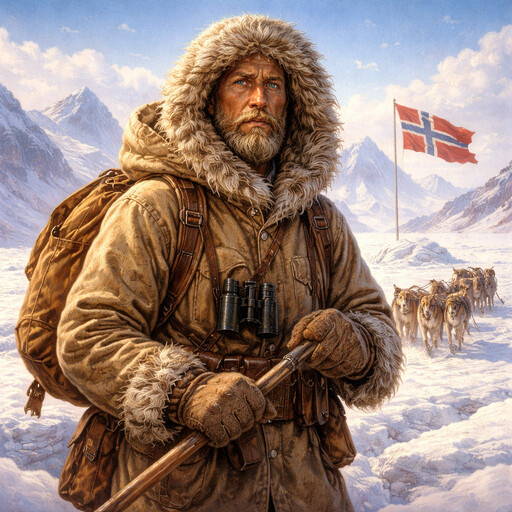
Roald Amundsen
Norwegian polar explorer

David Livingstone
Scottish explorer of Africa

Mary Kingsley
British traveler and writer in West Africa