A vegetable is a part of a plant that humans or animals eat, often as part of a meal. Vegetables come in many colors, shapes, and flavors. They can be leaves, stems, roots, flowers, or seeds of plants. Common vegetables include carrots, broccoli, spinach, potatoes, and peas. People have been growing and eating vegetables for thousands of years because they are important sources of nutrients that the body needs.
Vegetables are usually divided into different types based on which part of the plant they come from. Root vegetables like carrots, beets, and radishes grow underground. Leafy vegetables such as spinach, lettuce, and cabbage are the edible leaves of plants. Stem vegetables include celery and asparagus, while flower vegetables include broccoli and cauliflower. Peas and beans are examples of seed vegetables, and some plants like tomatoes and cucumbers are often called vegetables even though, scientifically, they are fruits because they contain seeds.
Vegetables are rich in vitamins and minerals. They help people stay strong, grow properly, and fight off sickness. For example, carrots contain vitamin A, which helps with good eyesight, while spinach contains iron, which keeps blood healthy. Many vegetables also have fiber, which helps with digestion. Eating a variety of vegetables every day is part of a balanced diet recommended by health experts.
People prepare and eat vegetables in many different ways. Some are eaten raw, like carrots or lettuce, while others are cooked by boiling, roasting, or steaming. Cooking can change the flavor and texture of vegetables. Around the world, vegetables are an important part of traditional meals. For example, stir-fried vegetables are common in Asian cuisines, and roasted vegetables are often served in European dishes.
Vegetables are grown on farms and in gardens. Most need sunlight, water, and good soil to grow. Some, like potatoes, can be stored for months, while others, like leafy greens, spoil quickly. Farmers and scientists are always looking for ways to grow vegetables in different climates and protect them from pests without harming the environment.
Eating vegetables is one of the best ways to stay healthy. They provide natural energy, protect against diseases, and support the environment when grown sustainably. Whether eaten fresh, cooked, or frozen, vegetables are a colorful and vital part of life on earth.
Vegetable
Level
readlittle.com
Nature’s colorful and healthy food
What We Can Learn
- Vegetables are edible parts of plants like roots, leaves, stems, and seeds.
- They provide vitamins, minerals, and fiber that keep the body healthy.
- People eat vegetables raw or cooked in many different ways.
- Growing and eating vegetables is important for both health and the environment.
Related Reads
Botany
The study of plants and plant life
Cotton
A natural fiber from plants
Evergreen
Plants that keep leaves year-round
Conifer
Cone-bearing trees and shrubs

Maple
A tree with leaves and sweet sap
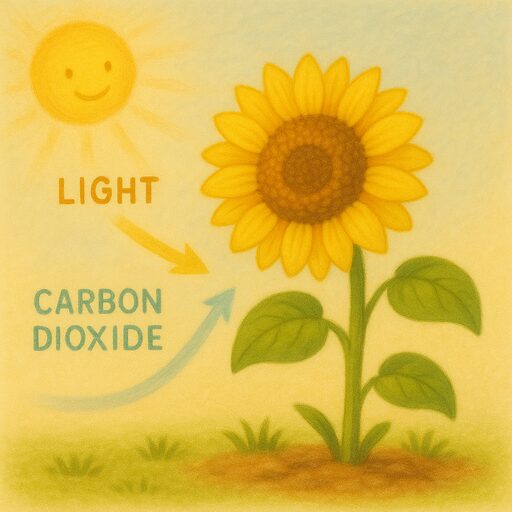
Photosynthesis
How plants make food using light
Nutrient
Substance needed for growth and life
Cactus
Plant adapted to dry environments
Plant
Living organism that makes its own food

Scotland
Northern nation of hills and history

Erik the Red
Norse explorer who settled Greenland

Wales
Western nation with mountains and culture