Erik the Red was a Norse explorer known for leading the first major settlement in Greenland. Norse refers to people from northern Europe during the Viking Age. Erik lived during a time when long-distance sea travel was common for trade, exploration, and settlement. A settlement is a place where people build homes and live together.
Erik was born in Norway but moved with his family to Iceland when he was young. They moved because his father had been forced to leave Norway after a dispute. A dispute is a serious argument between people. In Iceland, Erik grew up in a farming community. Farming is the growing of crops and raising of animals for food. As an adult, Erik married and started his own household, but he later became involved in disagreements that led to more disputes.
Because of these disputes, Erik was sent away from Iceland for several years. During this time, he decided to explore land rumored to lie to the west. He sailed across the North Atlantic Ocean and reached a large island covered by ice and rocky coasts. This land would later be called Greenland. Erik spent time exploring fjords and sheltered areas. A fjord is a deep, narrow water passage with steep sides. Erik believed some of these places could support farms and small communities.
After his period of exile ended, Erik returned to Iceland to gather people who wanted to start new homes in Greenland. Exile means being forced to live away from one's home for a period of time. He described Greenland as a land with space for farms and settlement. Many families chose to follow him. A large group of ships sailed back with Erik and formed two main settlements on the island. These communities raised animals, built wooden homes, and traded with Iceland and Norway.
Erik the Red became an important leader in Greenland. He helped guide families through the challenges of living in a cold environment. Some members of his family also became known for exploration. His son, Leif Erikson, later sailed farther west and reached lands that may have been part of North America. These voyages helped link Norse communities across the ocean.
Erik lived in Greenland for the rest of his life. His settlement efforts helped establish a long-lasting Norse presence on the island. Over time, climates changed, and some communities faced new difficulties. Even so, records and stories from the Viking Age show that Erik the Red played a key role in forming one of the earliest European settlements in the North Atlantic region.
Erik the Red
Level
readlittle.com
Norse explorer who settled Greenland
What We Can Learn
- Erik the Red was a Norse explorer and early leader in Greenland.
- He left Iceland after disputes and explored land to the west.
- He founded two main settlements in Greenland with many families.
- His voyages helped connect Norse communities across the North Atlantic.
Related Reads
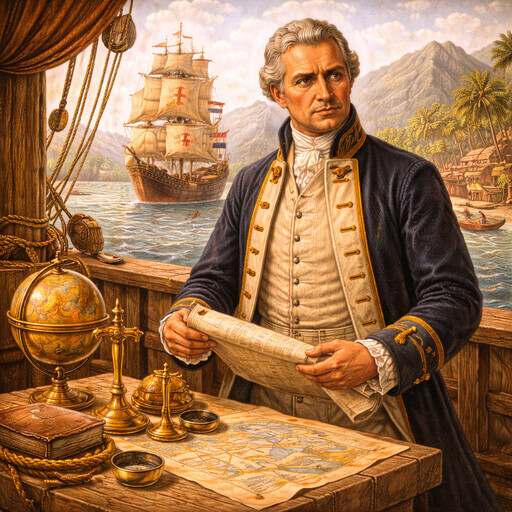
James Cook
British explorer of the Pacific Ocean
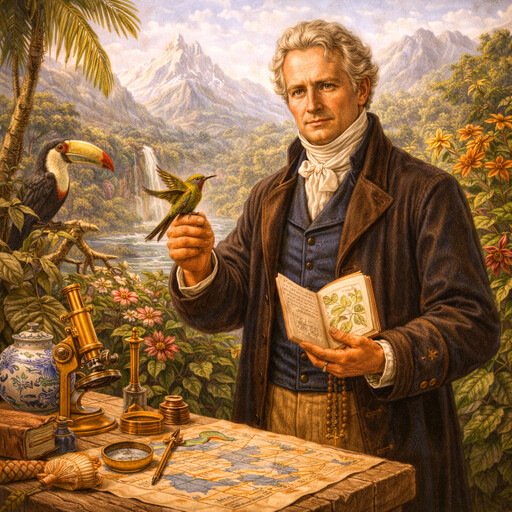
Alexander von Humboldt
Explorer of nature and the natural world
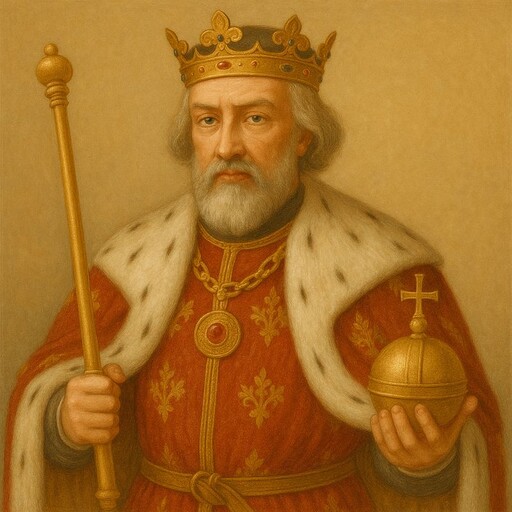
Henry IV
First Lancastrian king of England
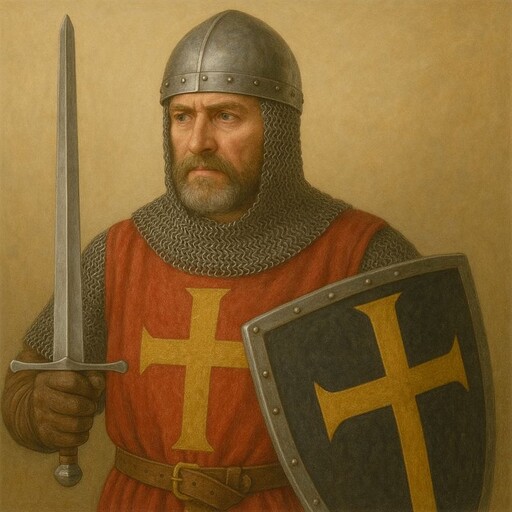
William Marshal
A loyal knight and royal advisor

Edward II
A troubled medieval English king
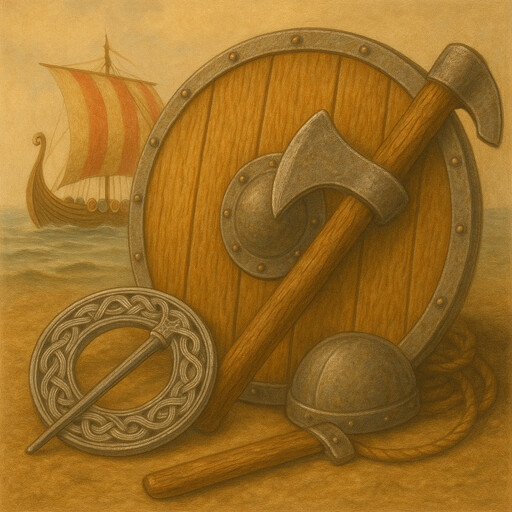
Viking Age
Time of Norse travel and settlement
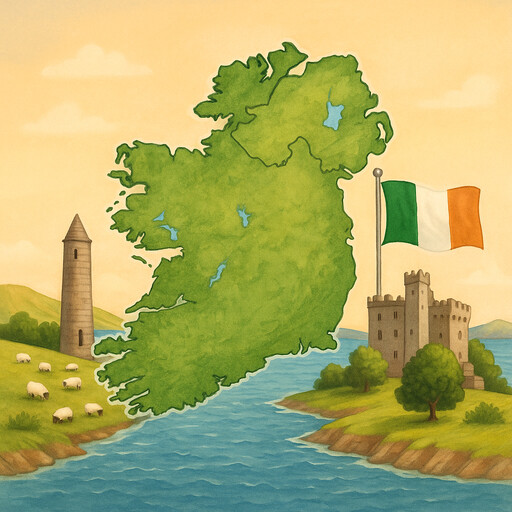
Ireland
Island nation with rich landscape
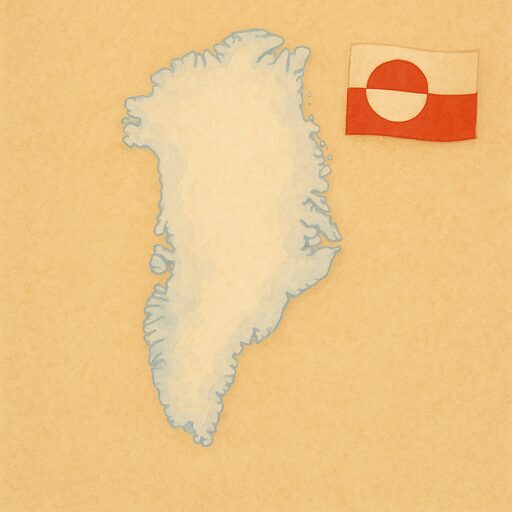
Greenland
World’s largest island of ice and rock
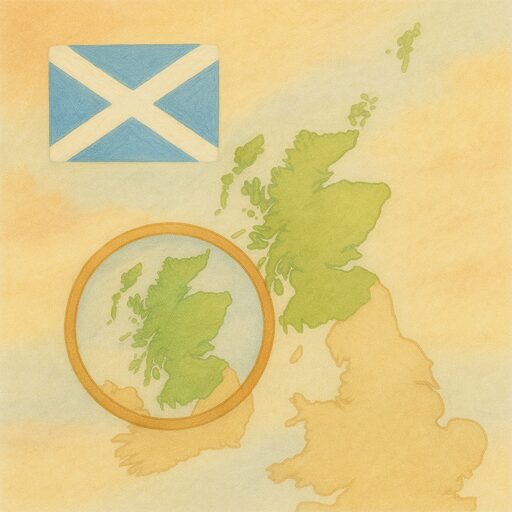
Scotland
Northern nation of hills and history

Wales
Western nation with mountains and culture
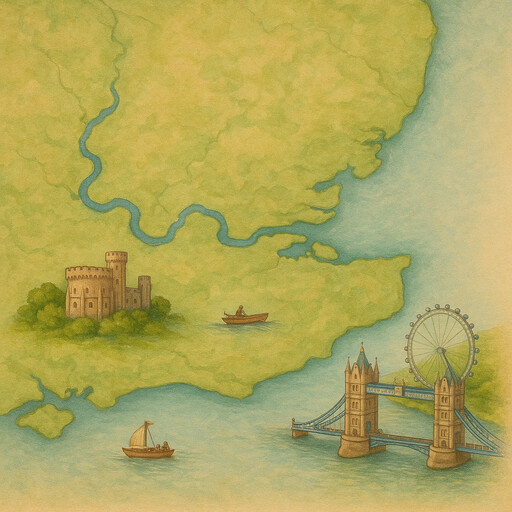
River Thames
England’s famous river through London
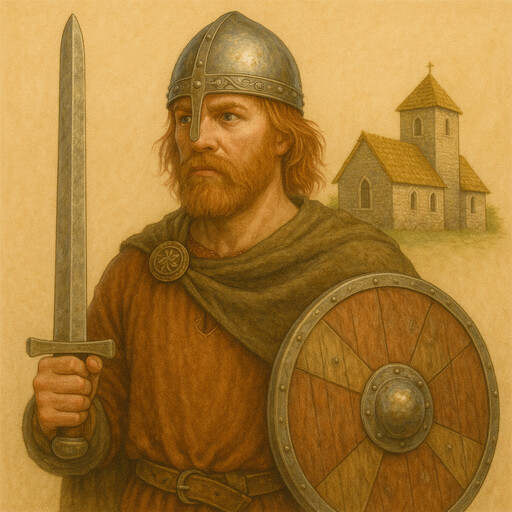
Anglo-Saxons
Early peoples of England