Alexander III was Emperor of Russia from 1881 until his death in 1894. He was born on 10 March 1845 in Saint Petersburg. He was a member of the Romanov family, which ruled Russia for many generations. Alexander III became emperor after the death of his father, Alexander II, who was killed in a bomb attack. His reign followed a period of major reforms and political unrest.
Alexander III was not originally expected to become emperor. His older brother died young, which made Alexander the heir to the throne. After becoming emperor, he believed that his father’s reforms had weakened the state. He supported autocracy, which means rule by one person with full power. He believed the emperor should have strong authority over the government and society.
During his reign, Alexander III reduced many of the political freedoms that had been introduced earlier. He limited the power of local councils and placed more control in the hands of government officials. The police and security services were strengthened to monitor political activity. Newspapers and schools were closely supervised by the state. These actions were meant to prevent unrest and opposition.
Alexander III also promoted Russification. Russification was a policy that encouraged the use of Russian language and culture across the empire. Russia included many ethnic groups and regions. In some areas, local languages and customs were restricted in schools and government offices. This policy was applied in places such as Poland, Finland, and the Baltic regions.
In foreign affairs, Alexander III avoided major wars. He believed that peace helped keep the empire stable. During his reign, Russia did not fight large international wars. He focused instead on strengthening the army and improving railways, including the early planning of the Trans-Siberian Railway, a long rail line across Russia. These projects helped connect distant regions of the empire.
Alexander III died on 1 November 1894 after a period of illness. His son, Nicholas II, became the next emperor. Alexander III’s reign is remembered as a time of strong central rule, limited political freedom, and relative peace in foreign relations. His policies shaped the final years of the Russian Empire before major changes in the early 20th century.
Alexander III
Level
readlittle.com
Russian emperor after major reforms
What We Can Learn
- Alexander III ruled Russia from 1881 to 1894
- He supported strong autocratic rule
- His reign limited political freedoms
- He was the father of Nicholas II
Related Reads
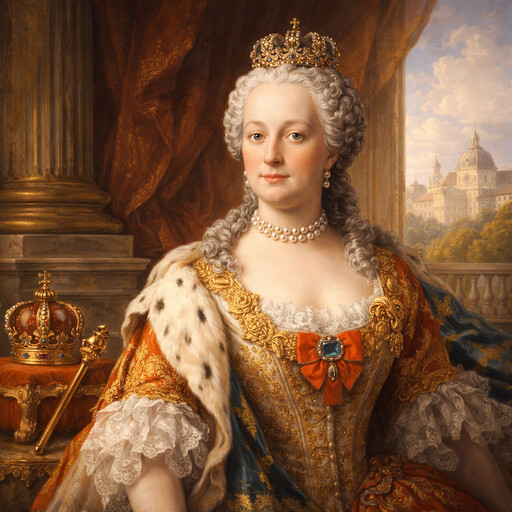
Maria Theresa
Powerful ruler of the Habsburg lands

Ivan III
Founder of a unified Russian state

Peter the Great
Russian ruler who reshaped his country
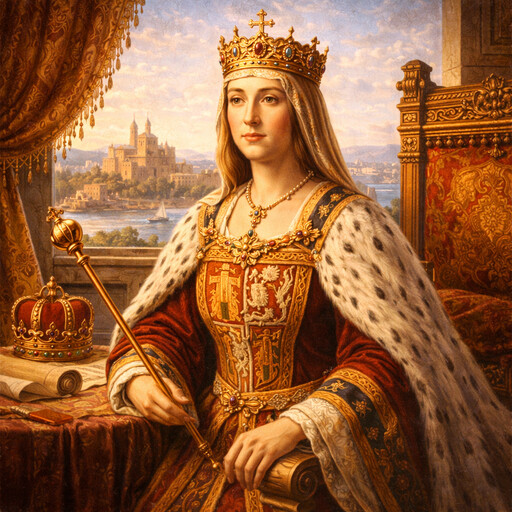
Isabella I
Queen of Castile and Spain’s unification
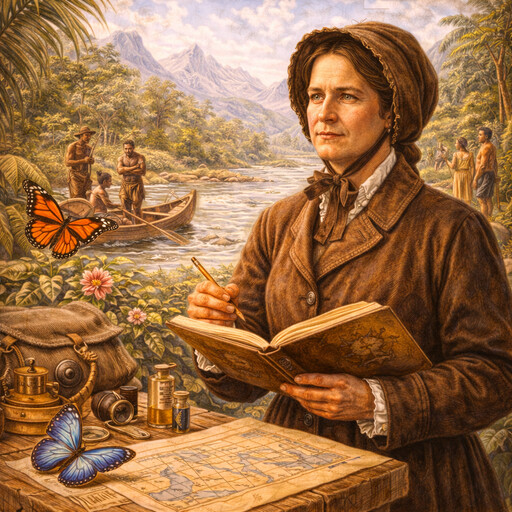
Ida Laura Pfeiffer
A traveler who journeyed around the world
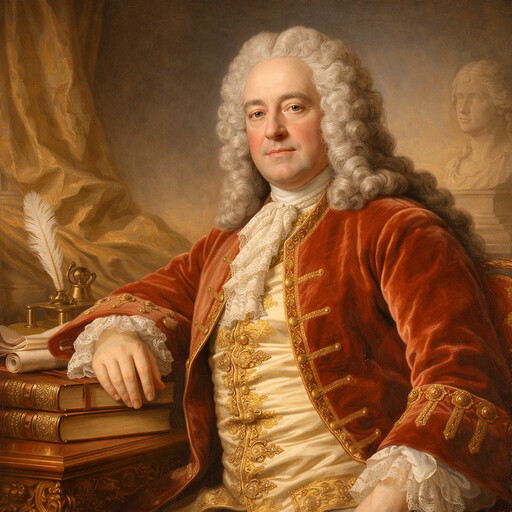
Robert Walpole
Early leader of Britain’s government
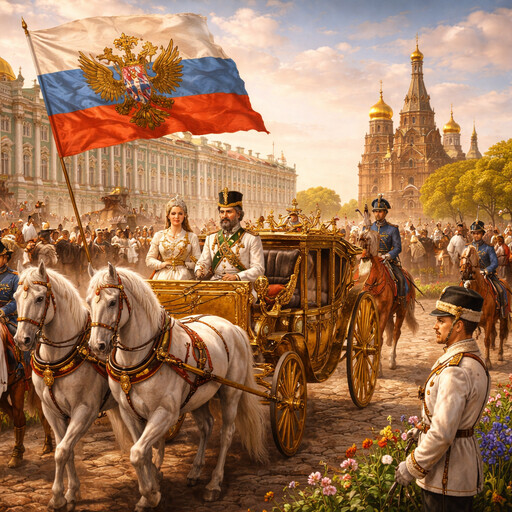
Russian Empire
Large empire ruled by Russian monarchs
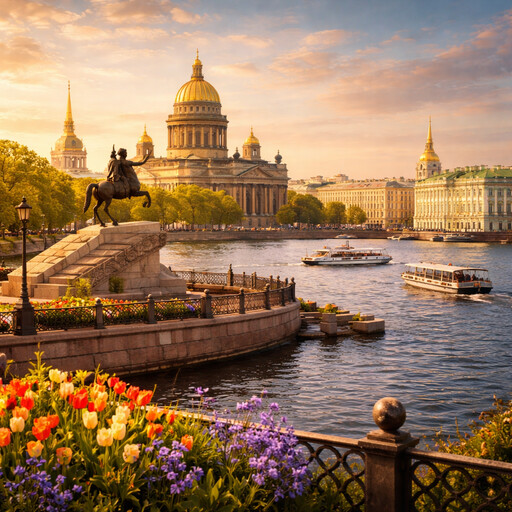
Saint Petersburg
Historic city in northwest Russia
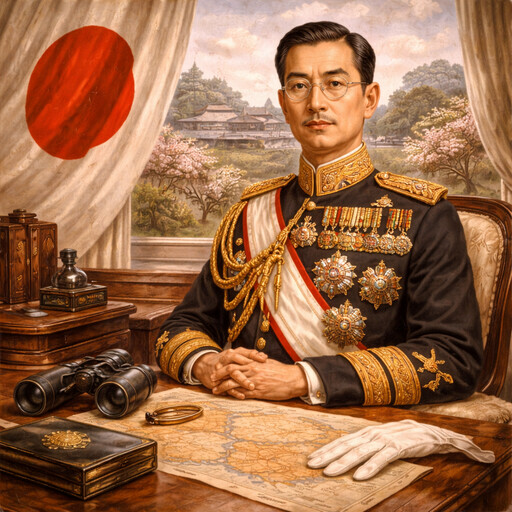
Hirohito
Emperor of Japan during World War II
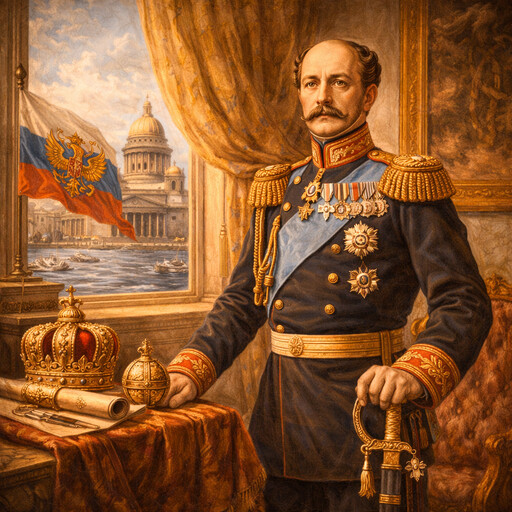
Nicholas I
Russian emperor during the mid-1800s
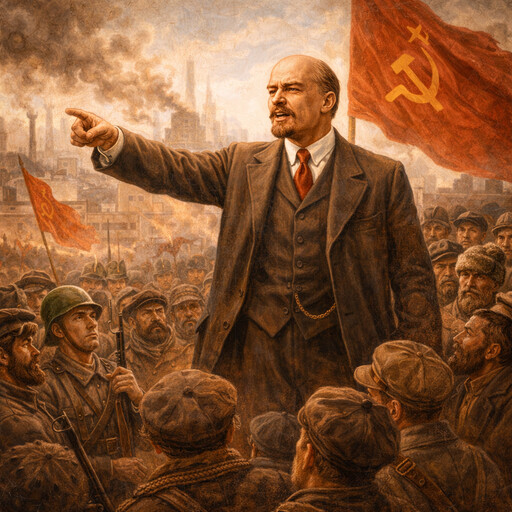
Vladimir Lenin
Leader of the Russian Revolution
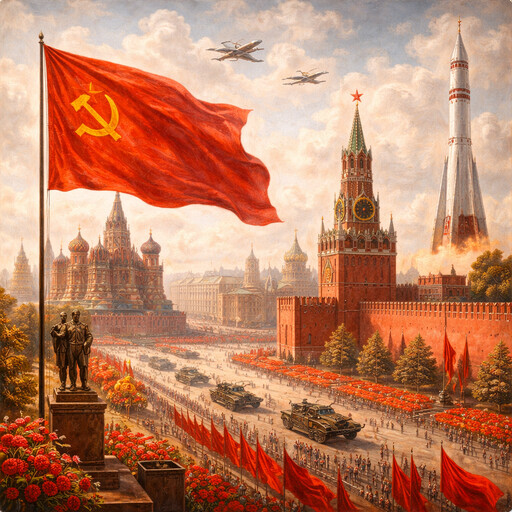
Soviet Union
Former socialist state in Eastern Europe