Nicholas I of Russia was Emperor of Russia from 1825 until his death in 1855. He was born on 6 July 1796 in Saint Petersburg. He was a member of the Romanov family, which ruled Russia for many generations. Nicholas I became emperor after the death of his older brother, Alexander I. His reign took place during a time of political unrest and rapid change across Europe.
Nicholas I became emperor during a moment of confusion. Some army officers supported a different ruler and demanded political reforms. This event is known as the Decembrist Revolt. A ''revolt'' is an attempt to overthrow authority. Nicholas I quickly ordered the army to stop the uprising. After this event, he strengthened control over the government, the military, and society.
As emperor, Nicholas I believed in ''autocracy''. Autocracy means rule by one person with complete power. He believed the emperor should have full authority. He expanded the use of secret police to watch political activity. Newspapers, books, and schools were closely controlled by the state. These actions were meant to limit opposition and maintain order throughout the empire.
Nicholas I also ruled over a large and diverse empire. Russia included many regions, languages, and cultures. He used the army and government officials to enforce laws across these lands. During his reign, Russia continued to expand its influence in Eastern Europe and the Caucasus. This expansion sometimes caused tension with other powers, especially the Ottoman Empire.
One of the major events during his reign was the Crimean War, which lasted from 1853 to 1856. Russia fought against an alliance that included the Ottoman Empire, Britain, and France. The war was mainly fought near the Black Sea. Russian forces faced problems with supply, communication, and modern weapons. Nicholas I died before the war ended, but Russia later accepted defeat.
Nicholas I died on 2 March 1855 in Saint Petersburg. His son, Alexander II', became the next emperor. After Nicholas I’s death, Russia began to change more quickly. His reign is remembered for strong authority, limited political freedom, and involvement in major European conflicts. Nicholas I remains an important figure in Russian history because of his long rule and influence on the empire’s direction.
Nicholas I
Level
readlittle.com
Russian emperor during the mid-1800s
What We Can Learn
- Nicholas I ruled Russia from 1825 to 1855
- He supported autocratic rule and strong central control
- His reign included the Crimean War
- He came to power after the Decembrist Revolt
Related Reads

Peter the Great
Russian ruler who reshaped his country
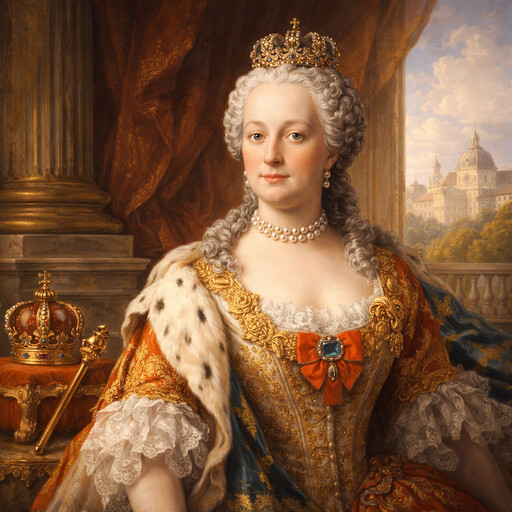
Maria Theresa
Powerful ruler of the Habsburg lands

Ivan III
Founder of a unified Russian state
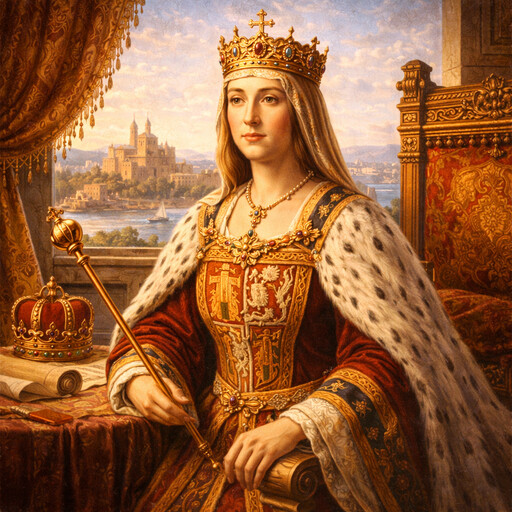
Isabella I
Queen of Castile and Spain’s unification
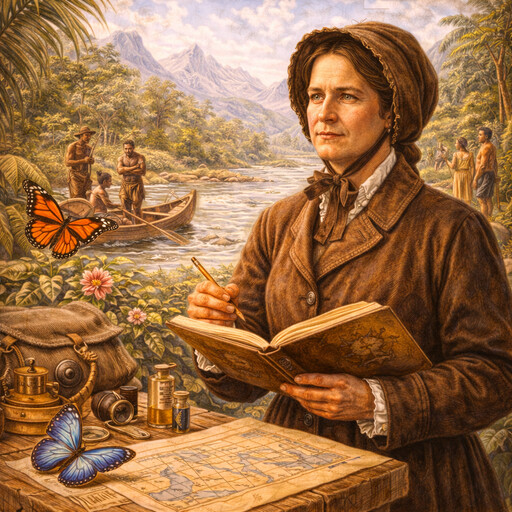
Ida Laura Pfeiffer
A traveler who journeyed around the world
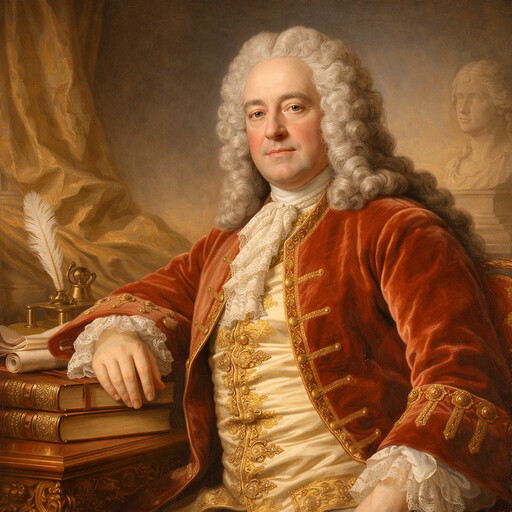
Robert Walpole
Early leader of Britain’s government
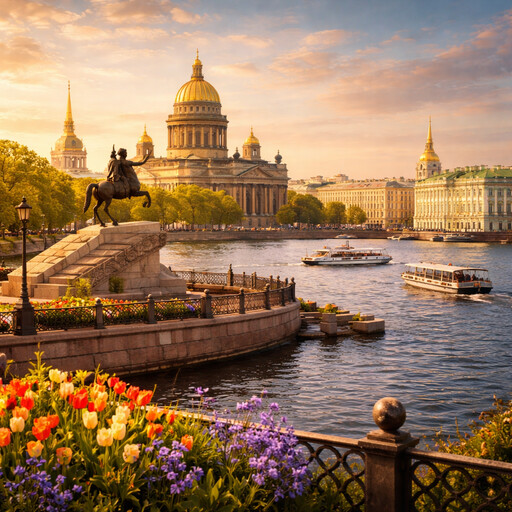
Saint Petersburg
Historic city in northwest Russia
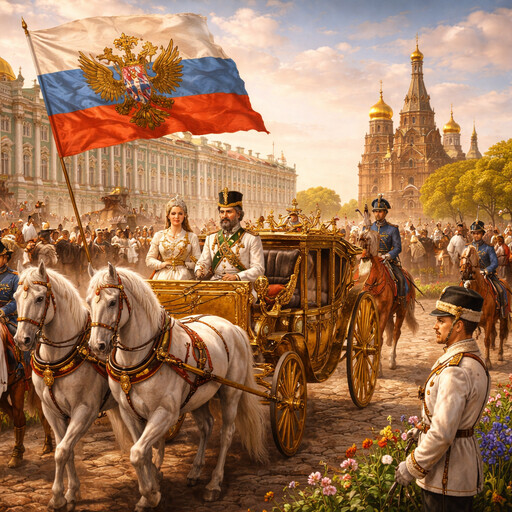
Russian Empire
Large empire ruled by Russian monarchs
Hirohito
Emperor of Japan during World War II
Spanish Civil War
Conflict in Spain before World War II
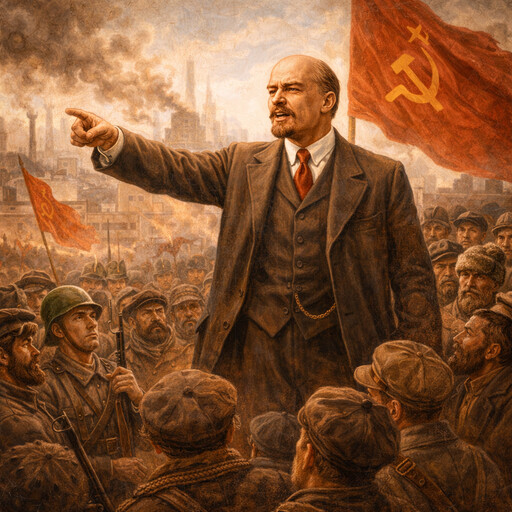
Vladimir Lenin
Leader of the Russian Revolution
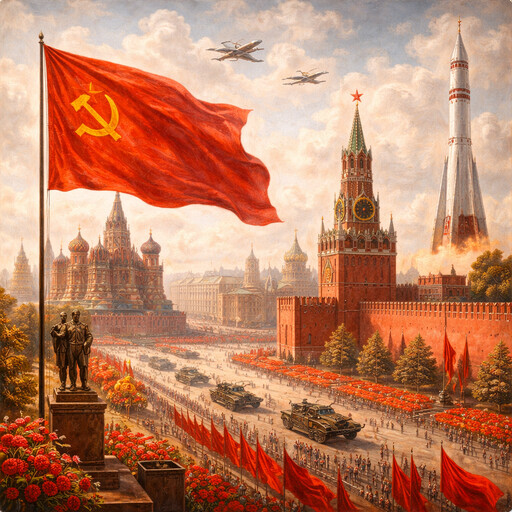
Soviet Union
Former socialist state in Eastern Europe