Arctic fox populations stretch across Alaska, Canada, Greenland, Scandinavia, and Siberia, hugging coastlines and inland tundra. Compact bodies conserve heat: short muzzles, rounded ears, and dense fur covering even the paws reduce exposed skin. In winter, pelts turn pure white, blending into snowdrifts, while summer coats shift to smoky gray or brown to match lichen-stained rocks. A fluffy tail called a brush doubles as a blanket when foxes curl up to sleep in −40 °C temperatures.
These omnivores switch diets with the seasons. During peak lemming years, foxes pounce across snow, cocking their heads to triangulate squeaks beneath the surface before diving snout-first through the crust. They also scavenge seal carcasses left by polar bears, raid seabird colonies for eggs, and gather berries, mussels, and seaweed along shorelines. When food is plentiful, foxes cache leftovers in frozen ground, returning months later to chew still-edible stores.
Arctic foxes dig multi-room dens into hillsides, sometimes expanding burrows used for centuries by many generations. Dens provide dry nursing chambers and ventilation shafts that allow kits to explore. Breeding begins in April when snow still blankets the tundra. After a 52-day gestation, vixens give birth to litters that can exceed 10 pups when prey is abundant. Parents share pup-raising duties, bringing lemmings and ptarmigan to the entrance while kits wrestle and learn to pounce.
Year-round challenges include blizzards, limited daylight, and predators such as snowy owls and wolves. Arctic foxes respond by traveling remarkable distances; some fitted with satellite collars have journeyed more than 3,500 kilometers while following sea ice edges. Climate change threatens sea ice and introduces red foxes farther north, leading to competition for dens and prey. Scientists monitor populations with aerial surveys, camera traps, and genetic studies, while Indigenous communities share knowledge about den locations and wildlife trends.
Students can model insulation by comparing uncovered hands with mittened ones, test sound localization by hiding ticking clocks under snow, or track Arctic fox migrations using interactive maps. Understanding how these resilient foxes recycle nutrients, carry seeds, and scavenge carrion reveals their importance to tundra food webs.
Arctic fox
Level
readlittle.com
Snow-white scouts of the tundra
What We Can Learn
- Arctic foxes have compact bodies, thick fur, and seasonal coats that conserve heat.
- Diets range from lemmings and seabirds to berries and cached leftovers.
- Large litters and ancient dens help populations rebound after harsh winters.
- Climate change and red fox expansion pose new threats, making monitoring and Indigenous collaboration vital.
Related Reads
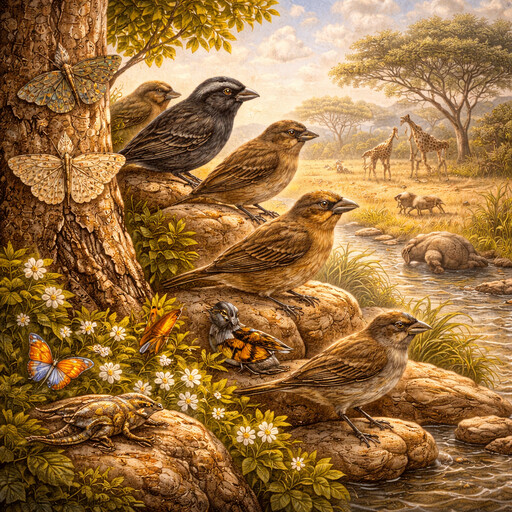
Natural selection
How living things change over time

Mediterranean Sea
Sea between Europe, Africa, and Asia

British Isles
Group of islands off Europe

Western Europe
Region of countries in western Europe

Eastern Europe
Region of countries in eastern Europe

Alps
Major mountain range of Europe
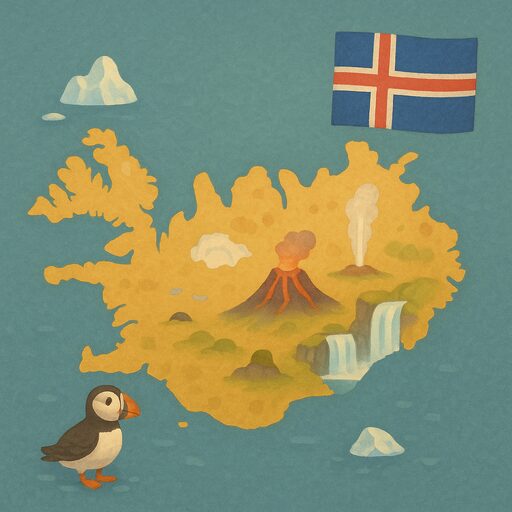
Iceland
Island nation of fire and ice

Chimpanzee
Inventive problem-solvers of African forests

Gorilla
Forest gardeners with gentle strength

Howler monkey
Rainforest alarm bells

Gelada
Grass-eating monkeys of the highlands
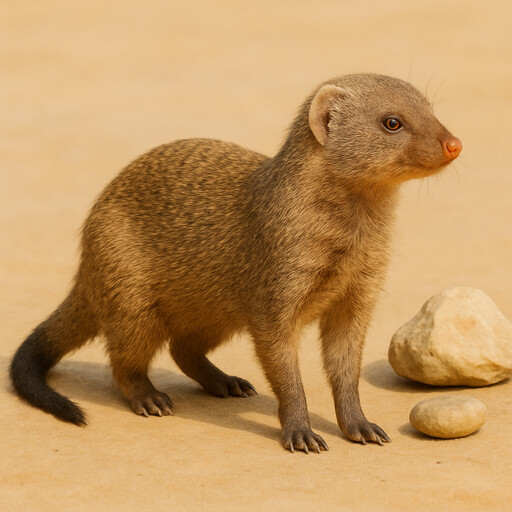
Mongoose
Quick hunters with shared dens