Astronomy is the science that studies everything beyond earth’s atmosphere. It includes the study of stars, planets, moons, comets, asteroids, galaxies, and all other objects found in space. People who study astronomy are called astronomers. They observe the sky using telescopes and other instruments to learn about how the universe began, how it changes, and how everything in it is connected.
Long ago, people used the night sky to measure time and plan events such as planting crops. Ancient astronomers noticed that some stars stayed in fixed patterns, called constellations, while others moved across the sky. These moving objects were called planets, a word that comes from the Greek word for “wanderer.” Early astronomers from many cultures, such as in egypt, china, and Greece, recorded their observations to learn more about the heavens.
Modern astronomy uses powerful tools and technology. Telescopes on Earth and in space, such as the Hubble space Telescope, allow scientists to see very distant galaxies and stars. Computers help astronomers collect data and create models of how stars form, how galaxies move, and how the universe may have started with the Big Bang.
Astronomy is divided into several branches. Observational astronomy focuses on collecting and studying light and data from space objects. Theoretical astronomy uses math and physics to explain how those objects work and evolve. Another branch, planetary science, studies the planets in our solar system and beyond. Together, these areas help scientists understand both nearby and faraway worlds.
Astronomy also explores how the sun, moon, and planets affect life on Earth. For example, the Moon’s gravity causes tides in the oceans, and the Sun’s light and heat make life possible. Astronomers also study space weather, such as solar flares, which can affect satellites and communication systems on Earth.
Today, astronomy continues to grow as technology improves. New telescopes, spacecraft, and satellites help scientists explore more of the universe than ever before. People around the world still look up at the night sky with curiosity and wonder, learning about the vast and beautiful universe that surrounds our small planet.
Astronomy
Level
readlittle.com
The study of stars, planets, and space
What We Can Learn
- Astronomy is the science that studies space beyond Earth.
- Astronomers use telescopes and technology to observe and collect data.
- Ancient astronomers used the sky for timekeeping and navigation.
- Modern astronomy helps explain the universe’s structure and origins.
Related Reads

Gravity
Force that pulls objects together
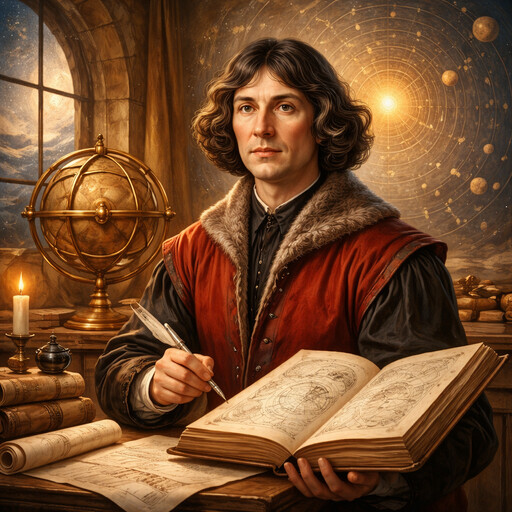
Nicolaus Copernicus
Astronomer who placed the Sun at center
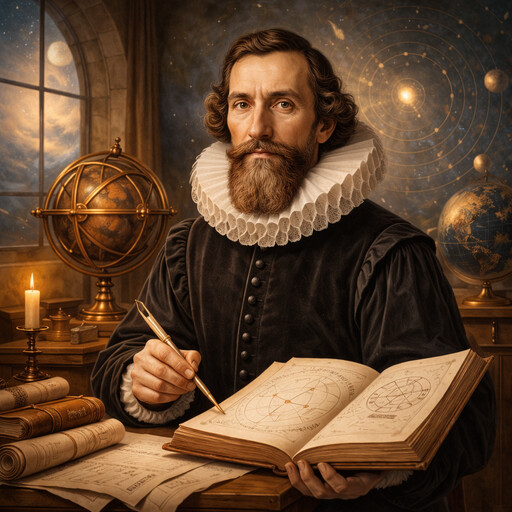
Johannes Kepler
Astronomer who described planet motion
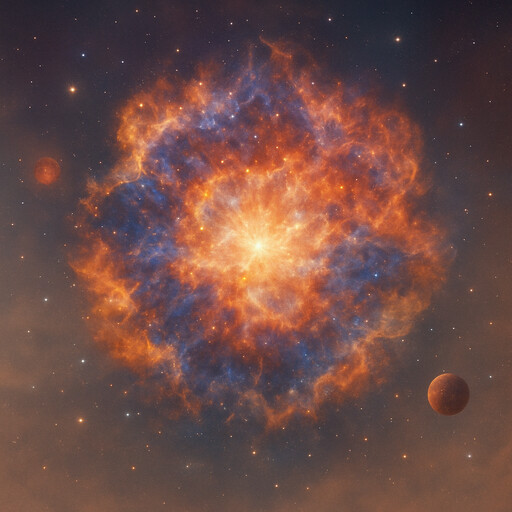
Supernova
Powerful explosion of a dying star
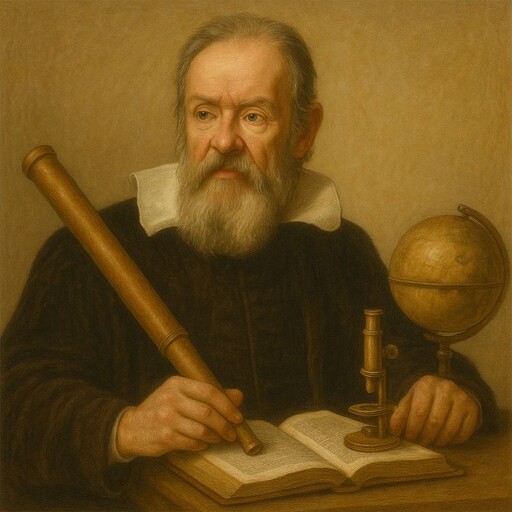
Galileo Galilei
Early observer of the skies
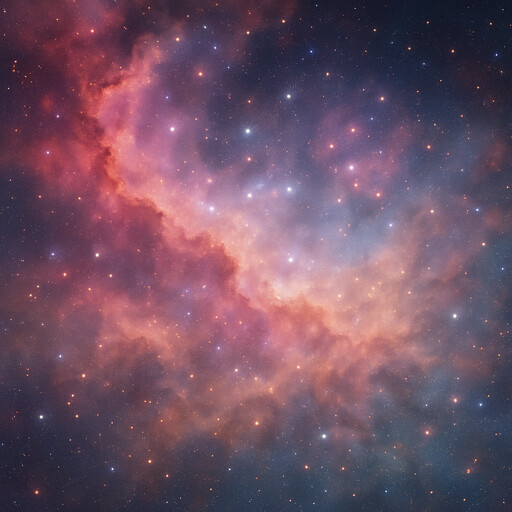
Nebula
Clouds of gas and dust in space
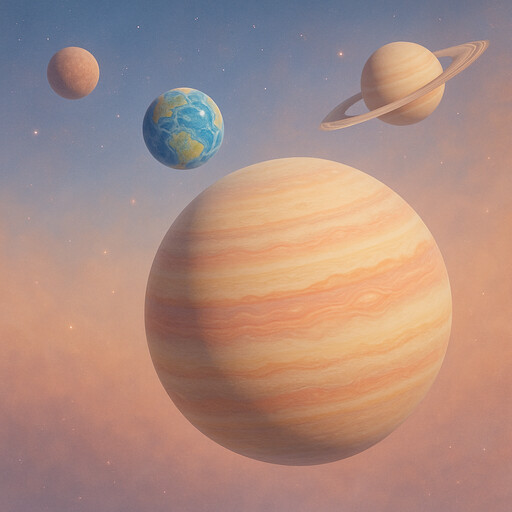
Exoplanet
Planets beyond our solar system
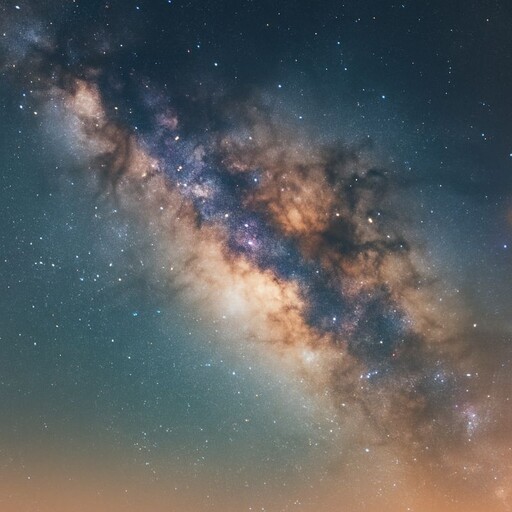
Milky Way Galaxy
Our home galaxy in space
Space
The vast area beyond Earth's atmosphere
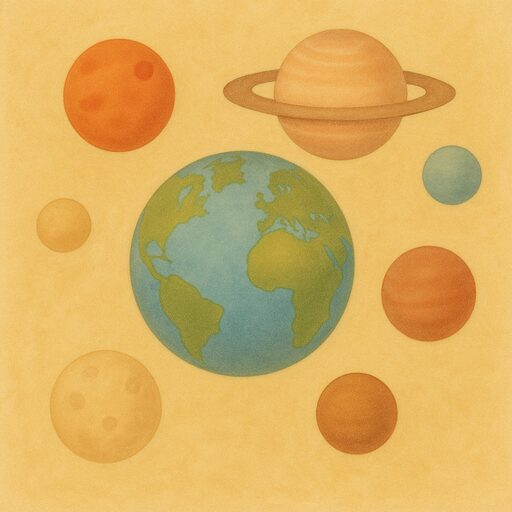
Planet
Large body that orbits a star
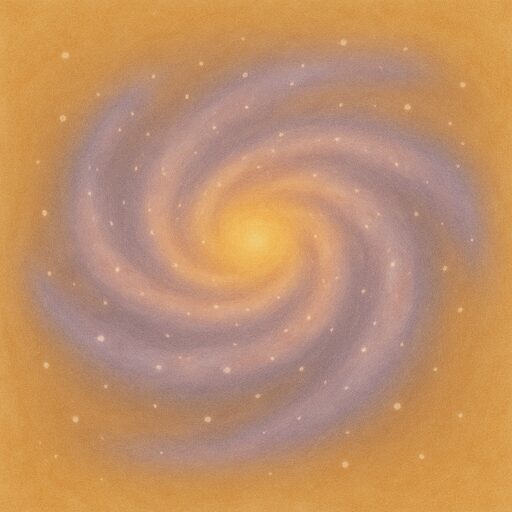
Galaxy
A vast system of stars and cosmic matter
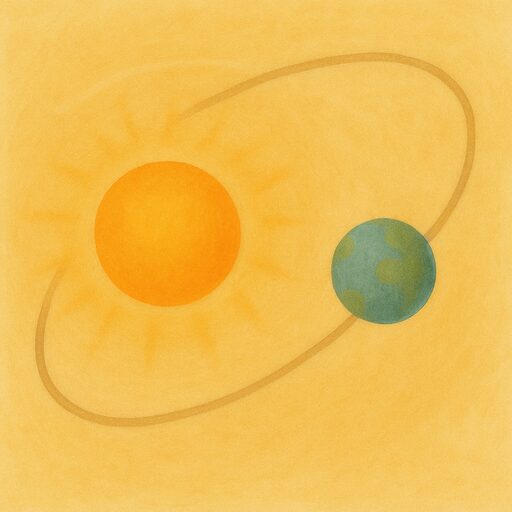
Orbit
The path of one object around another in space