Gravity is a natural force that pulls objects toward each other. On Earth, gravity pulls objects toward the ground. This is why a dropped book falls down instead of floating away. Gravity acts on all objects that have mass. Mass is the amount of matter in an object.
Gravity affects everyday life in many simple ways. It keeps people, animals, and buildings on the ground. It causes rain to fall from clouds to Earth. Gravity also makes objects roll downhill instead of uphill. The strength of gravity depends on mass and distance. Larger objects pull more strongly than smaller ones.
Gravity is not only found on Earth. It works everywhere in the universe. The gravity of the Sun pulls planets into paths called orbits. An orbit is a curved path around a larger object. Earth stays in orbit around the Sun because of gravity. The Moon stays near Earth for the same reason.
The idea of gravity was studied carefully by Isaac Newton in the 1600s. He explained that all objects pull on each other. Newton described gravity using mathematics. His work helped explain how planets move and why objects fall. Later, other scientists expanded these ideas using new observations.
Gravity changes depending on where you are. On the Moon, gravity is weaker than on Earth. This is because the Moon has less mass. Astronauts can jump higher there. On very large objects, like stars, gravity is much stronger. Strong gravity can pull gas and dust together to form planets and stars.
Gravity also helps shape the universe. It causes matter to gather into stars, planets, and galaxies. A galaxy is a large group of stars held together by gravity. Even though gravity is invisible, its effects can be seen everywhere. From falling apples to moving planets, gravity is always at work.
Gravity
Level
readlittle.com
Force that pulls objects together
What We Can Learn
- Gravity pulls objects toward each other.
- It keeps people and objects on Earth.
- Gravity controls the motion of planets and moons.
- The strength of gravity depends on mass and distance.
Related Reads
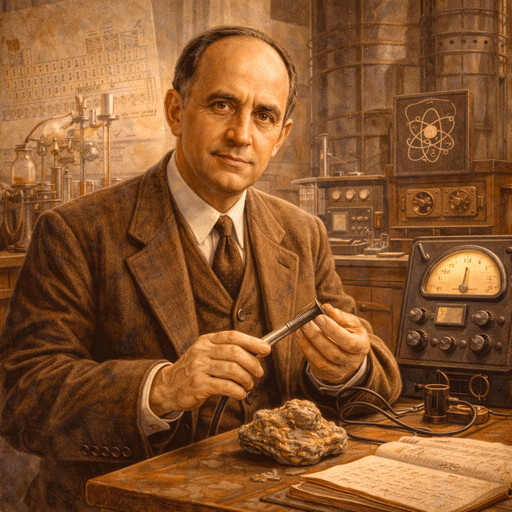
Enrico Fermi
Scientist of nuclear physics
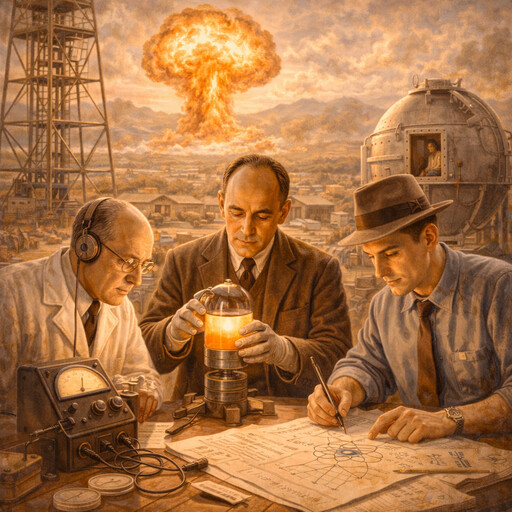
Manhattan Project
World War II atomic research program
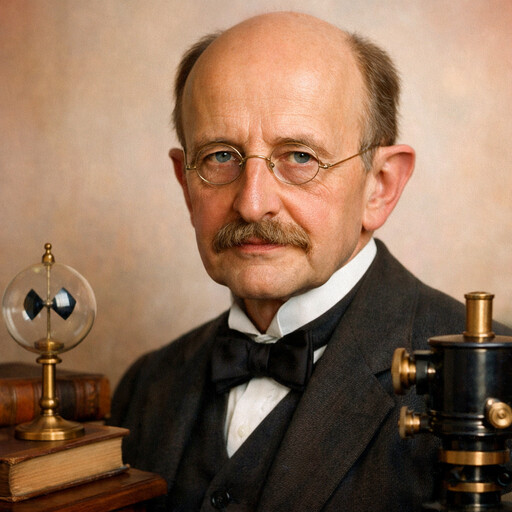
Max Planck
Founder of quantum theory
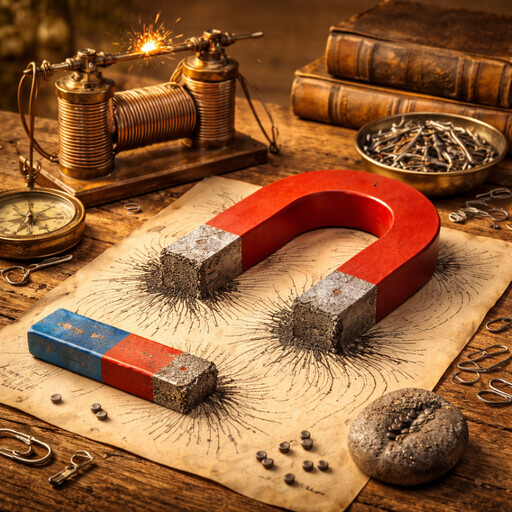
Magnet
Object that creates magnetic force
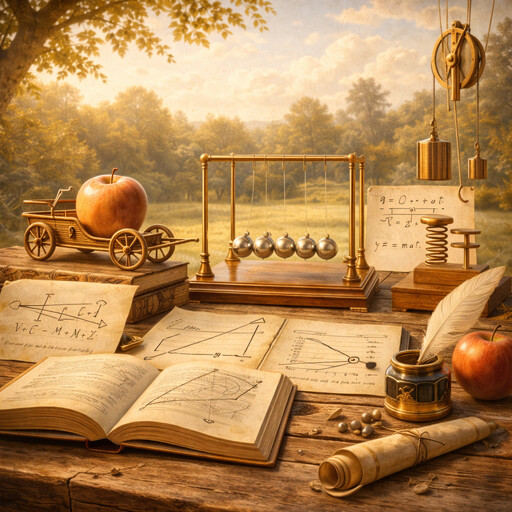
Newton's laws of motion
Three rules describing how objects move
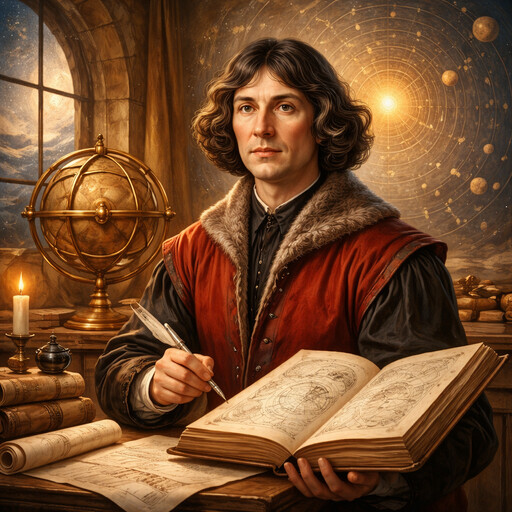
Nicolaus Copernicus
Astronomer who placed the Sun at center
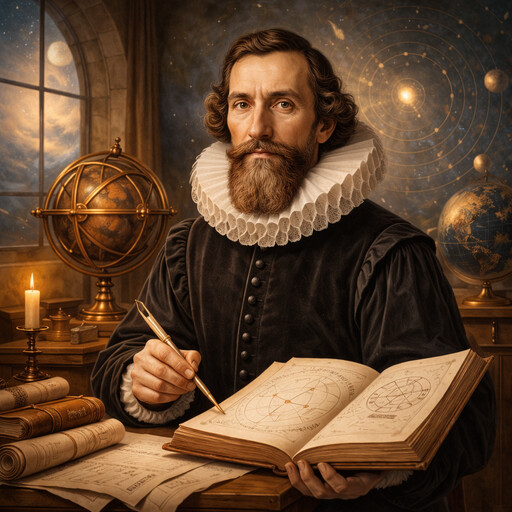
Johannes Kepler
Astronomer who described planet motion
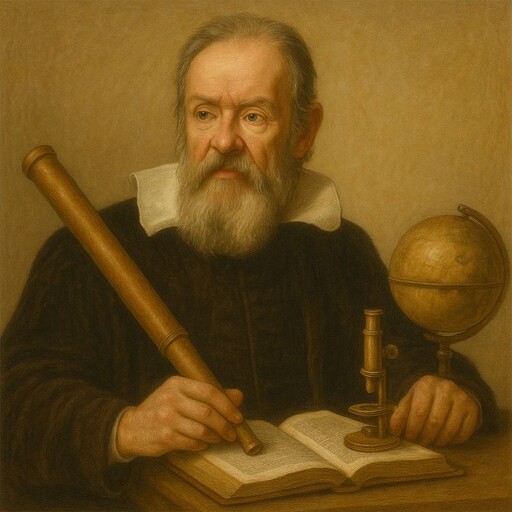
Galileo Galilei
Early observer of the skies
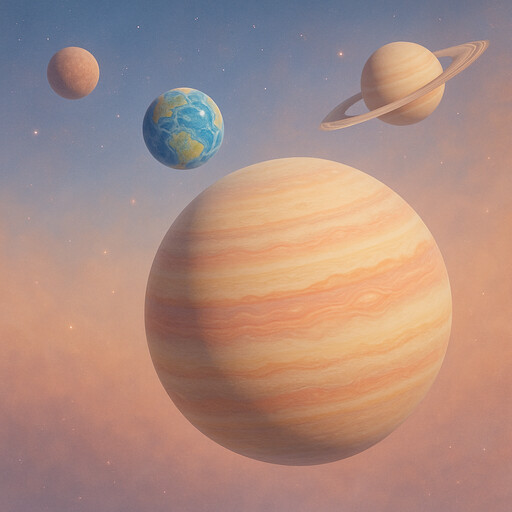
Exoplanet
Planets beyond our solar system
Temperature
A measure of how hot or cold something is
Particle
A tiny piece of matter or energy
Motion
The movement of objects from one place to another