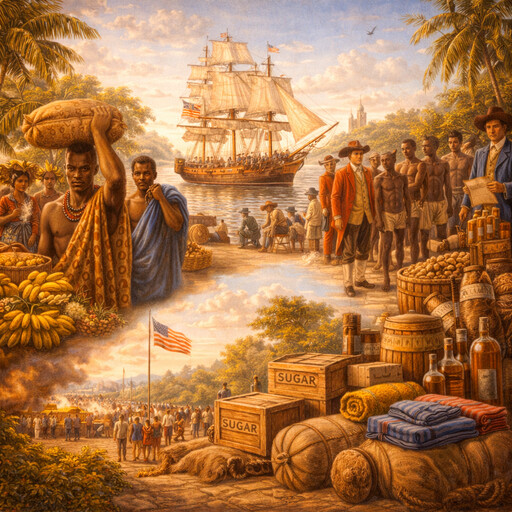
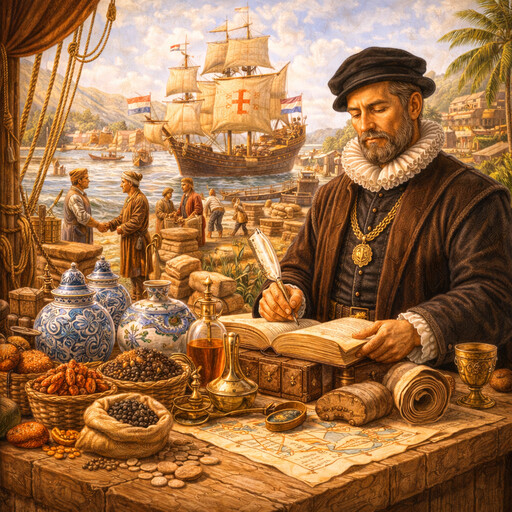
The Atlantic slave trade was a large system of trade that involved the forced movement of people from Africa to the Americas. European traders transported enslaved Africans across the Atlantic Ocean to work in colonies. This trade connected Africa, Europe, and the Americas and lasted for several hundred years. It became part of wider systems of trade and colonization.
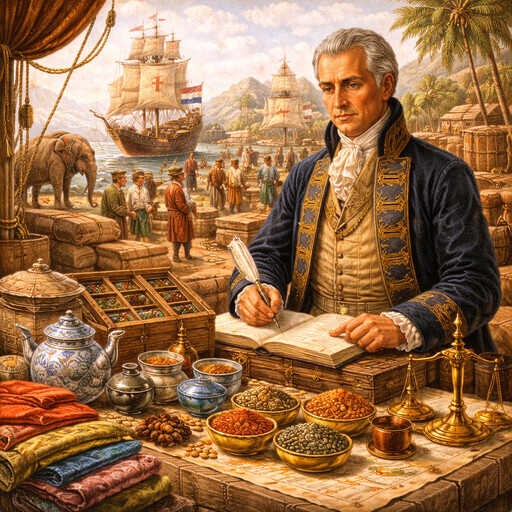
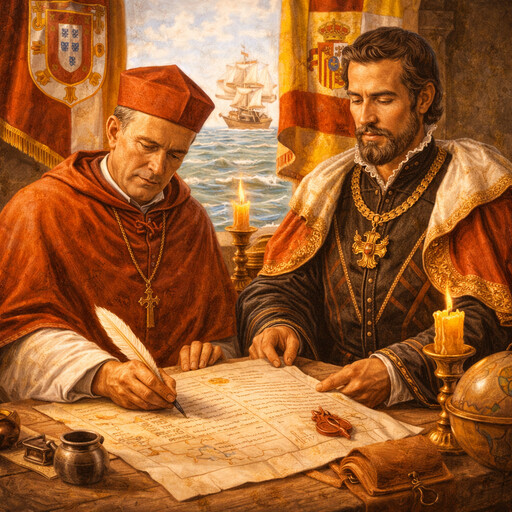
The Atlantic slave trade began in the early sixteenth century. European nations such as Portugal, Spain, Britain, France, and the Netherlands built colonies in the Americas. Colonies needed large numbers of workers to grow crops and mine resources. European settlers turned to Africa, where systems of slavery already existed in some regions. African rulers and traders sold captives to European merchants in exchange for goods.
Enslaved people were transported by ship in a journey known as the Middle Passage. The Middle Passage was the sea route from Africa to the Americas. Ships were crowded, and conditions were harsh. Many people were chained and had little space. The journey could last several weeks or months. Many enslaved people died during the crossing because of disease, hunger, or mistreatment.
When ships arrived in the Americas, enslaved people were sold at markets. They were forced to work on plantations, farms, and in mines. Plantations were large farms that produced crops such as sugar, cotton, tobacco, and coffee. These crops were sent to Europe. Enslaved labor became a central part of the economy in many colonies.
The Atlantic slave trade was connected to other trade routes, including triangular trade. Goods made in Europe were sent to Africa, enslaved people were sent to the Americas, and raw materials were sent back to Europe. Over time, resistance by enslaved people, changes in ideas, and political action led to laws against the trade. Britain banned the slave trade in 1807, followed by other countries.
The Atlantic slave trade ended gradually during the nineteenth century. Slavery itself continued in some places even after the trade was banned. By the late nineteenth century, most countries had abolished slavery. The Atlantic slave trade remains an important part of world history because of its long duration and wide impact.
Atlantic slave trade
Level
readlittle.com
Forced movement of enslaved people across Atlantic
What We Can Learn
- Connected Africa, Europe, and the Americas
- Involved forced transport across the Atlantic
- Lasted from the sixteenth to nineteenth centuries
- Ended through laws and political change