The Easter Rising was an armed uprising that happened in Ireland in April 1916. It took place during World War I and was centered in the city of Dublin. A group of Irish nationalists planned the event to end British rule in Ireland and to establish an independent Irish state. The rising lasted for six days, from Easter Monday, 24 April, to Saturday, 29 April 1916.
At the time, Ireland was part of the United Kingdom of Great Britain and Ireland. Many people in Ireland wanted self-government, which means the right to rule their own country. Some groups believed this could be achieved by political action, while others believed force was necessary. The Easter Rising was organized by members of the Irish Republican Brotherhood, the Irish Volunteers, and the Irish Citizen Army. Key leaders included Patrick Pearse, James Connolly, Joseph Plunkett, and Thomas Clarke.
On Easter Monday, armed groups took control of several important buildings in Dublin. One of the main locations was the General Post Office, often called the GPO. From there, Patrick Pearse read a proclamation, which is a public statement, declaring the establishment of the Irish Republic. Other buildings taken included factories, courthouses, and strategic streets. The rebels raised flags and set up defenses.
The British government responded by sending soldiers and heavy weapons into the city. Fighting took place in the streets, and artillery was used against rebel positions. Many buildings were damaged or destroyed. Most of the fighting occurred in Dublin, but smaller actions also happened in other parts of Ireland. After several days, the rebel leaders decided to surrender to prevent further loss of life.
After the surrender, the British authorities arrested thousands of people. Many of those arrested had not taken part in the fighting. Sixteen leaders of the Easter Rising, including Patrick Pearse and James Connolly, were executed by firing squad in May 1916. These executions caused strong reactions among the Irish public. Public opinion began to change, and support for independence grew over time.
The Easter Rising did not immediately create an independent Irish state. However, it became an important event in Irish history. In the years that followed, political changes led to the Irish War of Independence from 1919 to 1921. Eventually, most of Ireland became the Irish Free State, which later became the Republic of Ireland. The Easter Rising is remembered as a key moment in this historical process.
Easter Rising
Level
readlittle.com
Irish uprising in Dublin, 1916
What We Can Learn
- The Easter Rising took place in April 1916.
- It occurred mainly in Dublin during World War I.
- Irish nationalists led the uprising against British rule.
- The event influenced later changes in Irish history.
Related Reads

Revolutions of 1848
Uprisings across Europe in 1848
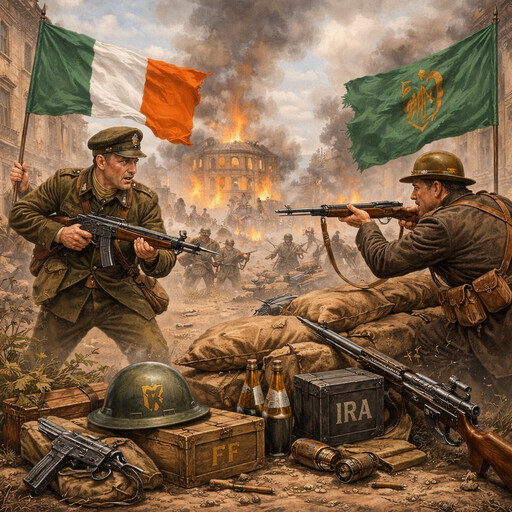
Irish Civil War
Conflict over Ireland’s new state
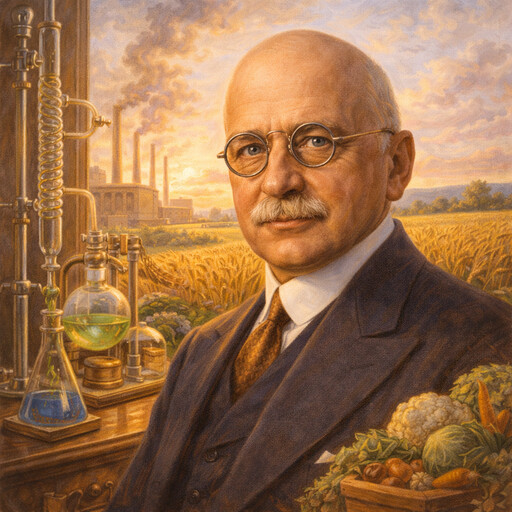
Fritz Haber
German chemist of the early 1900s
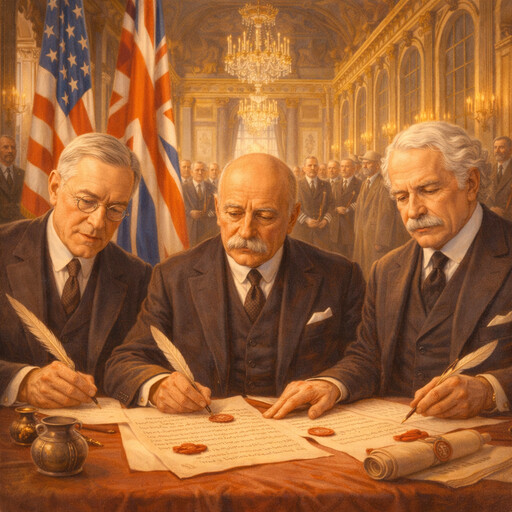
Treaty of Versailles
Peace agreement ending World War I
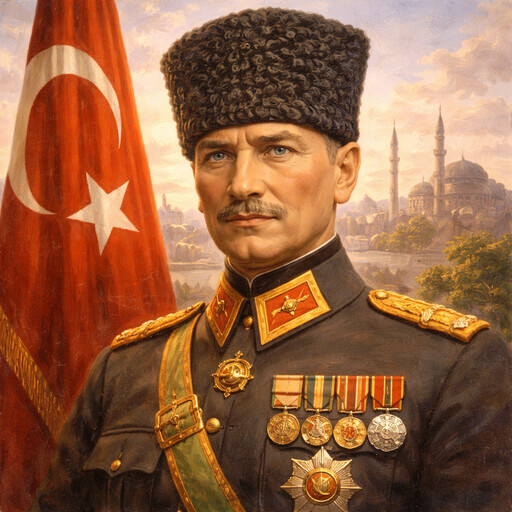
Mustafa Kemal Atatürk
Founder of modern Turkey
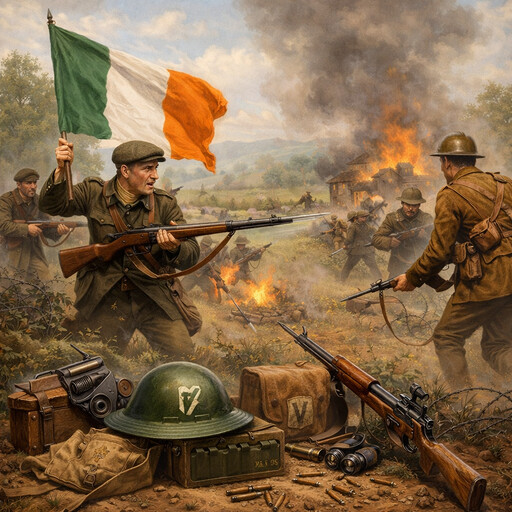
Irish War of Independence
Ireland’s fight for self-rule
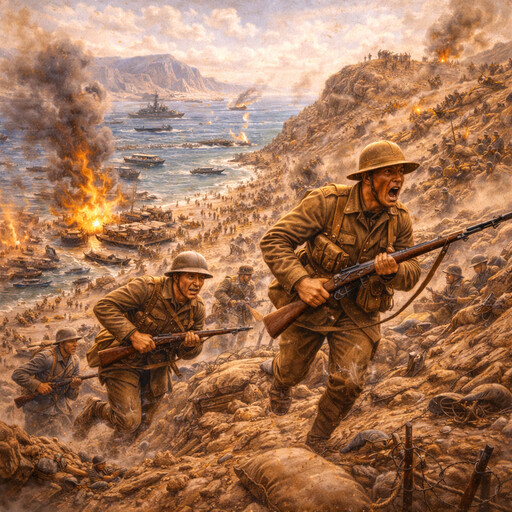
Gallipoli campaign
World War I campaign in Turkey
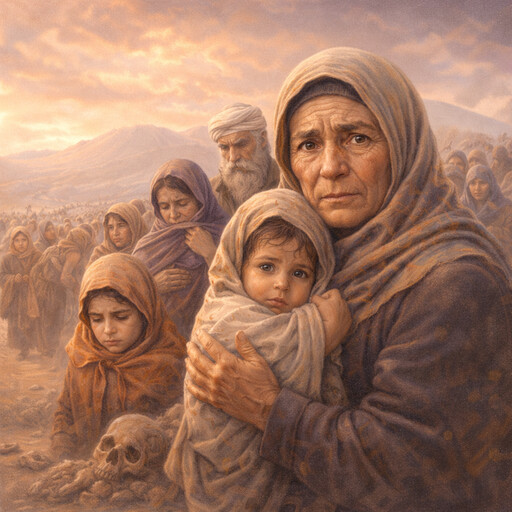
Armenian genocide
Mass killing of Armenians during World War I

Zeppelin
Large rigid airship for flight

David Lloyd George
British prime minister during World War I
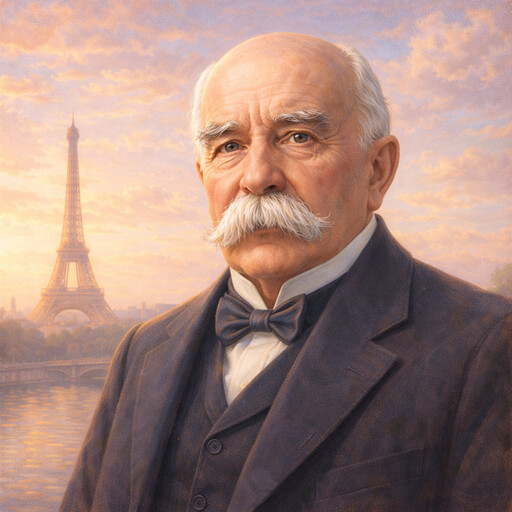
Georges Clemenceau
French leader during World War I
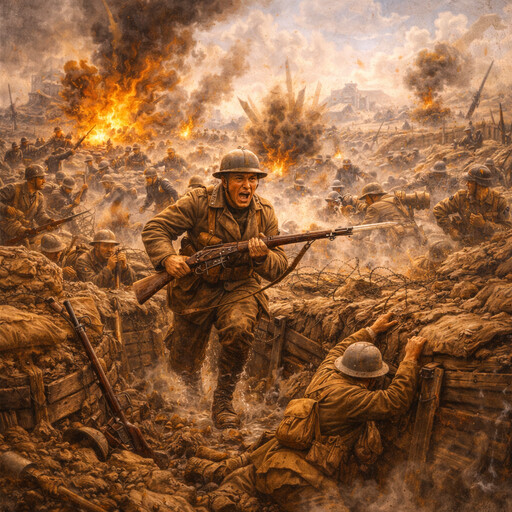
Battle of the Somme
Major World War I battle