Fritz Haber was a German chemist who lived from 1868 to 1934. He was born in Breslau, a city that was part of Germany at the time and is now called Wrocław in Poland. Haber worked during a period when science and industry were changing quickly. He is best known for developing a chemical process to make ammonia from nitrogen and hydrogen. This process later became known as the Haber–Bosch process. His work had a strong influence on farming, industry, and warfare.
Haber studied chemistry at several universities in Germany. He later became a professor at the University of Karlsruhe and then director of the Kaiser Wilhelm Institute for Physical Chemistry in Berlin. At this institute, scientists studied how chemical reactions work. Haber focused on turning scientific ideas into large-scale industrial processes. Industrial chemistry means making chemicals in factories instead of small laboratories.
Haber’s most famous work was the creation of a method to produce ammonia. Ammonia is a chemical made from nitrogen and hydrogen. Nitrogen is a gas that makes up most of Earth’s air, but it is hard to use directly. Haber found a way to combine nitrogen with hydrogen under high pressure and heat, using a catalyst, which is a substance that helps a reaction happen faster. This method made it possible to produce large amounts of ammonia.
The ammonia made with the Haber–Bosch process was used to create fertilizers. Fertilizers are chemicals added to soil to help plants grow. This process allowed farms to produce more food. The same process also made it easier to produce explosives, which also use nitrogen-based chemicals. Because of this, the process became important to both farming and military industries.
During World War I, Haber worked for the German government. He helped organize the use of chemical weapons, such as poison gas, on the battlefield. Chemical weapons use toxic chemicals to harm people. Haber believed that scientific knowledge should support the state during wartime. His work during the war made him a controversial figure even during his own lifetime.
After the war, Haber continued scientific research. In 1918, he received the Nobel Prize in Chemistry for his work on ammonia synthesis. Later in life, Haber faced problems because he was born Jewish. When the Nazi government came to power in Germany in 1933, Jewish scientists were forced out of their positions. Haber left Germany and died in 1934 while traveling in Switzerland. His life is often described as complex because of his influence on both scientific progress and warfare.
Fritz Haber
Level
readlittle.com
German chemist of the early 1900s
What We Can Learn
- Fritz Haber was a German chemist active in the early 1900s.
- He developed a method to make ammonia from nitrogen and hydrogen.
- His work affected farming, industry, and military science.
- He received the Nobel Prize in Chemistry in 1918.
Related Reads

George Washington Carver
American scientist and agricultural researcher
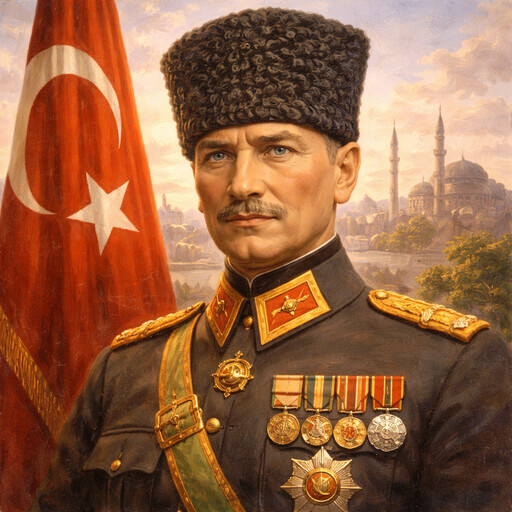
Mustafa Kemal Atatürk
Founder of modern Turkey
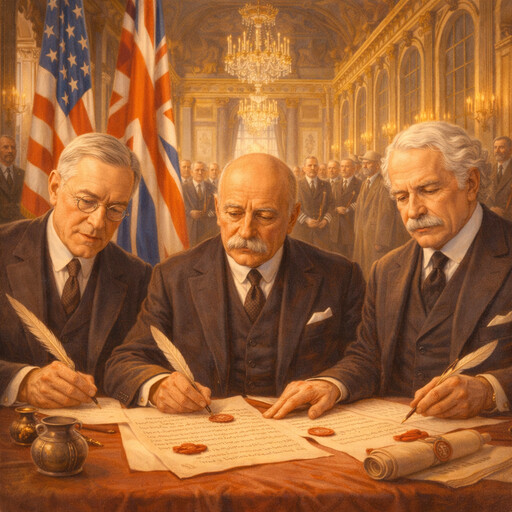
Treaty of Versailles
Peace agreement ending World War I
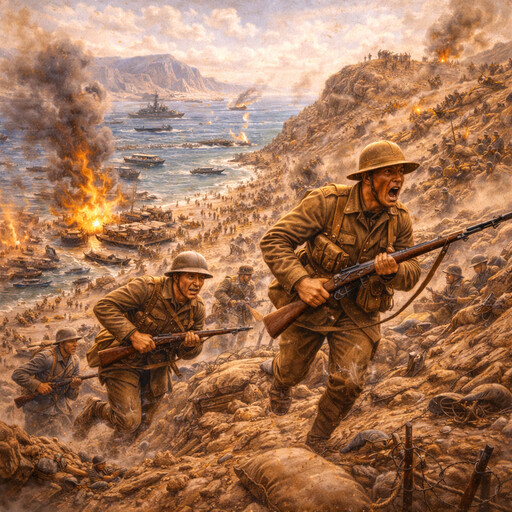
Gallipoli campaign
World War I campaign in Turkey

Zeppelin
Large rigid airship for flight

David Lloyd George
British prime minister during World War I
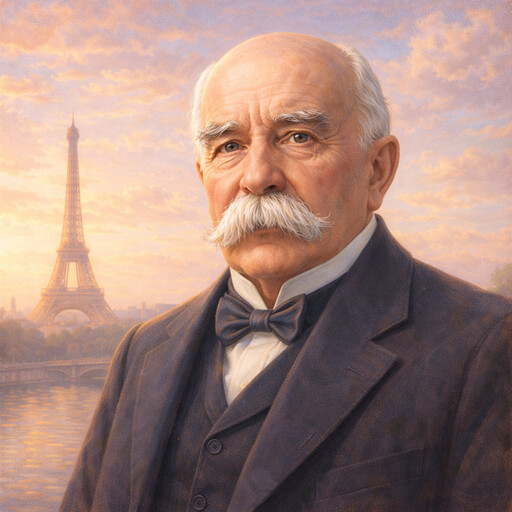
Georges Clemenceau
French leader during World War I

Armenian genocide
Mass killing of Armenians during World War I

Easter Rising
Irish uprising in Dublin, 1916
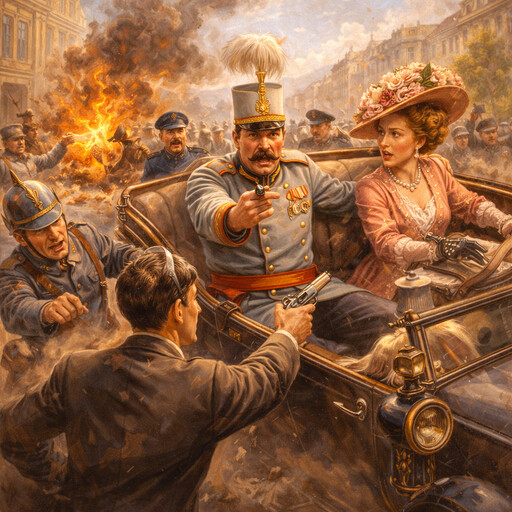
July Crisis
Diplomatic crisis before World War I

Battle of the Somme
Major World War I battle
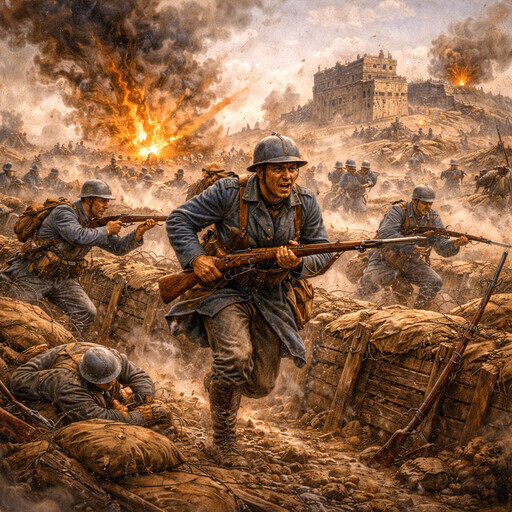
Battle of Verdun
Longest battle of World War I