The Weimar Republic was the form of government in Germany from 1919 to 1933. It began after Germany’s defeat in World War I. The German Empire ended when Emperor Wilhelm II left the throne in 1918. A republic is a state without a king or emperor. The new government was named after the city of Weimar, where its constitution was written.
The Weimar Republic was created during a time of great difficulty. Germany had lost the war and had to accept the terms of the Treaty of Versailles. This treaty required Germany to give up land, reduce its army, and pay reparations. Reparations are payments made for damage caused during a war. These demands placed heavy pressure on the new government.
The Weimar Republic had a written constitution that promised freedom of speech, voting rights, and equality before the law. The president was the head of state, and the chancellor was the head of government. Laws were made by an elected parliament called the Reichstag. Many political parties existed, which meant governments were often formed by coalitions, or groups working together.
Economic problems affected the Weimar Republic strongly. In the early 1920s, Germany experienced inflation, which means money loses value. In 1923, prices rose very quickly, a situation called hyperinflation. People needed large amounts of paper money to buy basic goods like bread. Later in the 1920s, the economy improved for a short time.
Political unrest was common during the Weimar years. Some groups wanted to return to a monarchy, while others wanted a communist system. There were attempted uprisings and violent clashes. One failed uprising was the Beer Hall Putsch in 1923, which involved Adolf Hitler. Although it failed, it made him more widely known.
The Weimar Republic ended in 1933. During the Great Depression, a worldwide economic crisis, unemployment rose sharply in Germany. Many people lost trust in democratic institutions. In January 1933, President Paul von Hindenburg appointed Adolf Hitler as chancellor. Soon after, the democratic system was replaced, and the Weimar Republic came to an end.
Weimar Republic
Level
readlittle.com
Germany’s republic after World War I
What We Can Learn
- The Weimar Republic ruled Germany from 1919 to 1933
- It began after the end of the German Empire
- It faced economic and political instability
- It ended when Adolf Hitler became chancellor
Related Reads
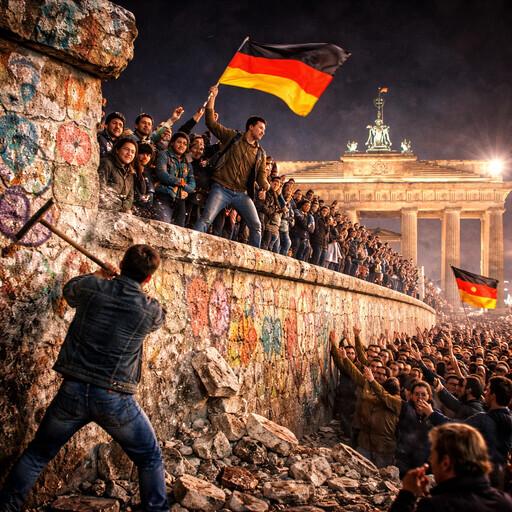
Fall of the Berlin Wall
End of Germany’s divided barrier
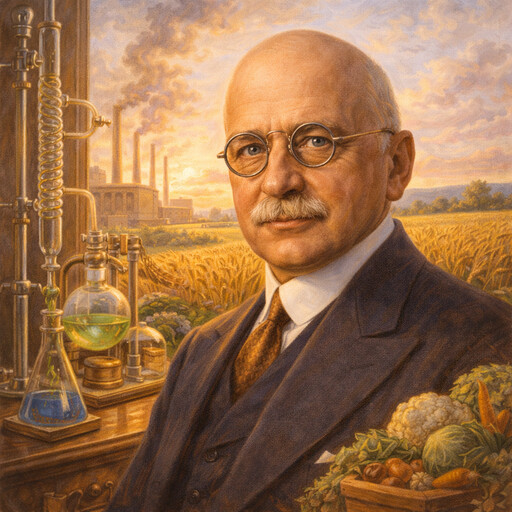
Fritz Haber
German chemist of the early 1900s
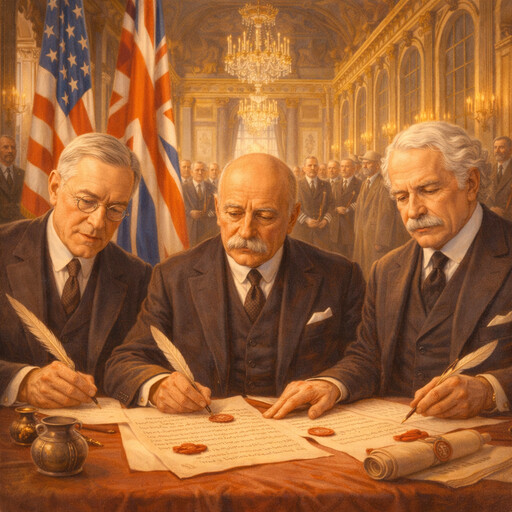
Treaty of Versailles
Peace agreement ending World War I
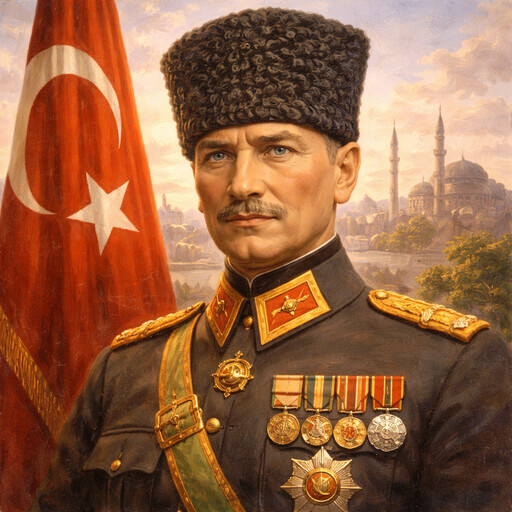
Mustafa Kemal Atatürk
Founder of modern Turkey
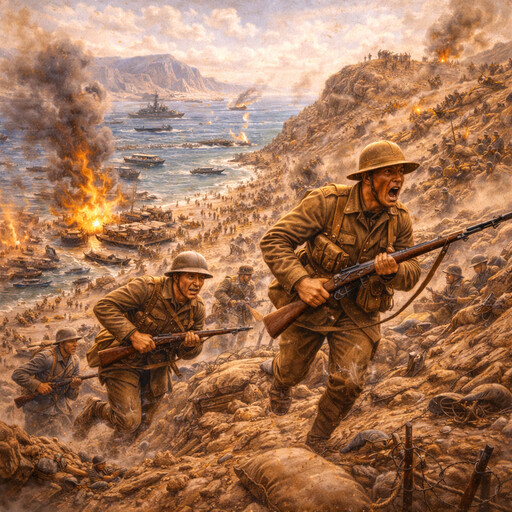
Gallipoli campaign
World War I campaign in Turkey

David Lloyd George
British prime minister during World War I
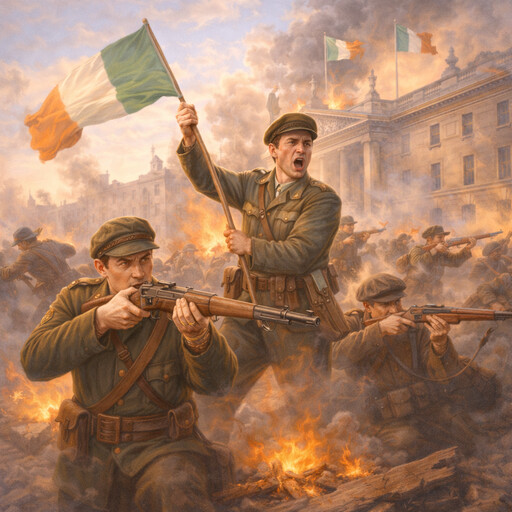
Easter Rising
Irish uprising in Dublin, 1916

Zeppelin
Large rigid airship for flight
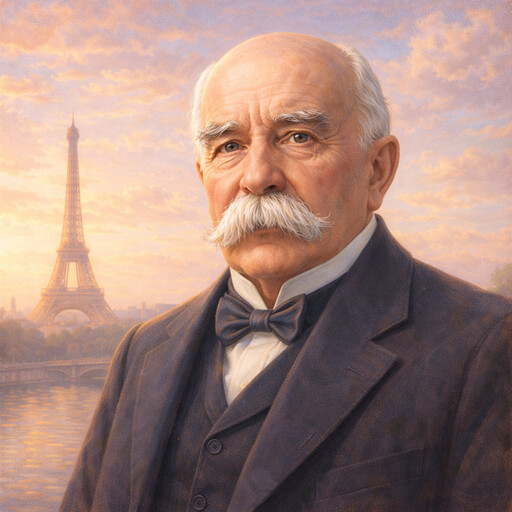
Georges Clemenceau
French leader during World War I
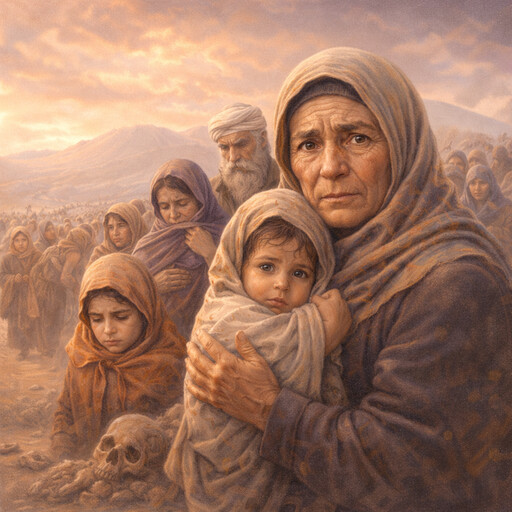
Armenian genocide
Mass killing of Armenians during World War I
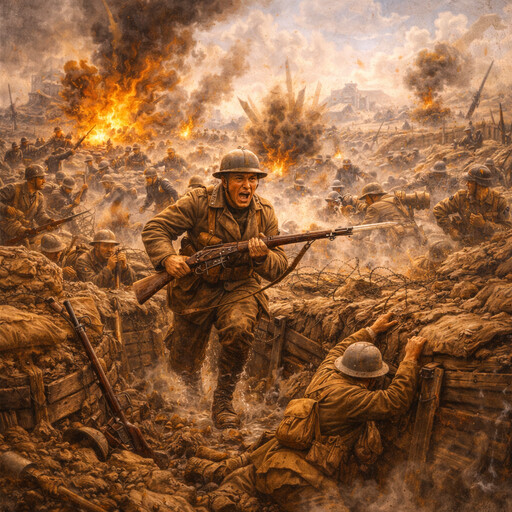
Battle of the Somme
Major World War I battle
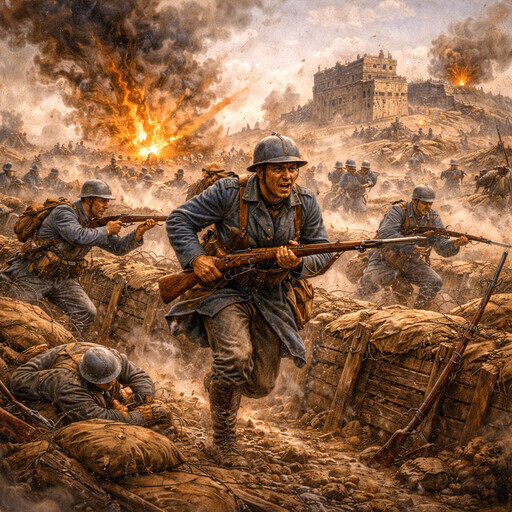
Battle of Verdun
Longest battle of World War I