The July Crisis was a period of intense political and diplomatic tension in Europe during July 1914. It began after the assassination of Archduke Franz Ferdinand of Austria-Hungary in the city of Sarajevo. The crisis involved several major European powers. Decisions made during this time caused a local conflict to grow into a large international war. By the end of July, many countries were preparing for war.
The crisis started on June 28, 1914, when Archduke Franz Ferdinand and his wife Sophie were assassinated in Sarajevo. The assassin was Gavrilo Princip, a young man linked to a group that opposed Austrian control in the region. Austria-Hungary believed that the government of Serbia was involved in supporting such groups. This belief increased tension between the two countries.
Austria-Hungary sought support from its ally Germany. Germany gave strong backing, often called a blank check, meaning full support for Austria-Hungary’s actions. Encouraged by this support, Austria-Hungary prepared a list of demands for Serbia. These demands were written in an official message called an ultimatum. An ultimatum is a final demand that must be accepted or rejected.
On July 23, Austria-Hungary sent the ultimatum to Serbia. Serbia accepted many of the demands but rejected some parts that would limit its independence. Austria-Hungary declared war on Serbia on July 28. This action did not remain local. Other countries were connected by alliances, which are formal agreements between states for support.
Russia supported Serbia and began to mobilize its army. Mobilization means preparing armed forces for war. Germany saw Russia’s mobilization as a threat and declared war on Russia. Germany also declared war on France, which was allied with Russia. When German forces moved through Belgium, Great Britain entered the conflict to defend Belgian neutrality.
By early August 1914, the July Crisis had turned into World War I. Many European countries were now involved in a large-scale war. The crisis showed how alliances, military plans, and quick decisions increased tensions. What began as a regional dispute became a global conflict that lasted several years.
July Crisis
Level
readlittle.com
Diplomatic crisis before World War I
What We Can Learn
- The July Crisis occurred in July 1914.
- It followed the assassination of Archduke Franz Ferdinand.
- Alliances caused the conflict to spread.
- It led directly to World War I.
Related Reads
No image
Vienna
Capital city on the Danube River
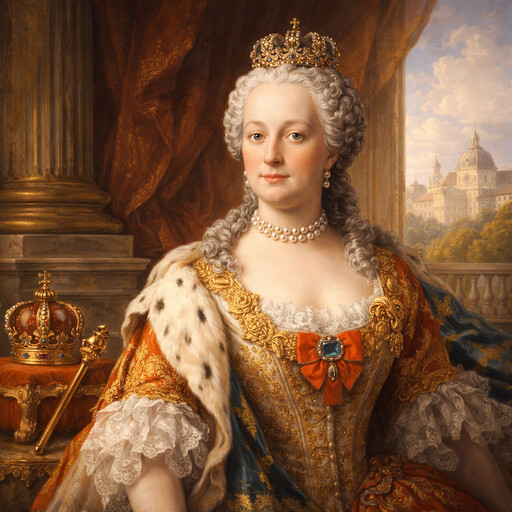
Maria Theresa
Powerful ruler of the Habsburg lands

Molotov–Ribbentrop Pact
Non-aggression agreement before World War II

Vilnius
Historic capital city of Lithuania

Polish–Soviet War
War over borders after World War I

Munich Agreement
1938 agreement over Czechoslovak territory

Revolutions of 1848
Uprisings across Europe in 1848
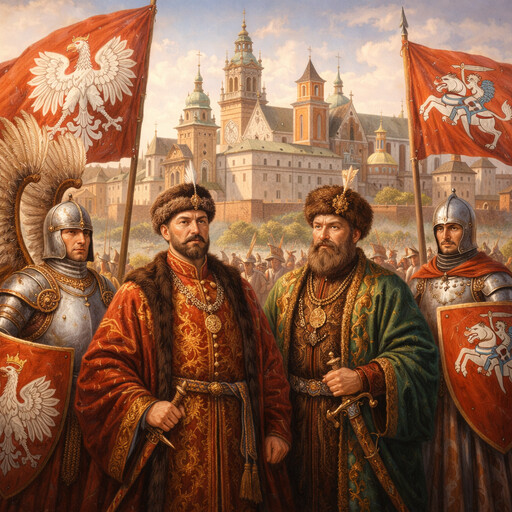
Polish–Lithuanian Commonwealth
A large early modern European state

Fall of the Berlin Wall
End of Germany’s divided barrier

Prague
Historic capital city of the Czech Republic
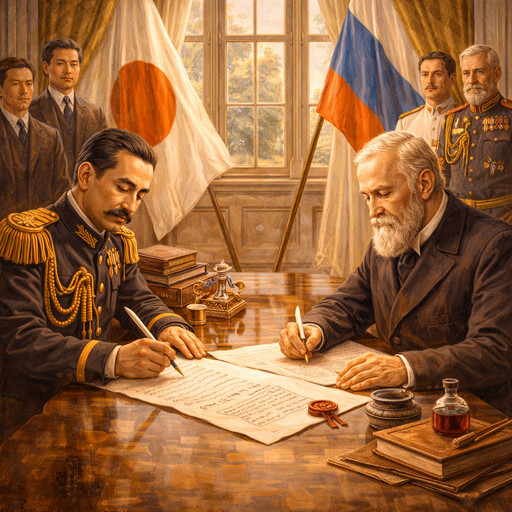
Treaty of Portsmouth
Peace agreement ending Russo-Japanese War
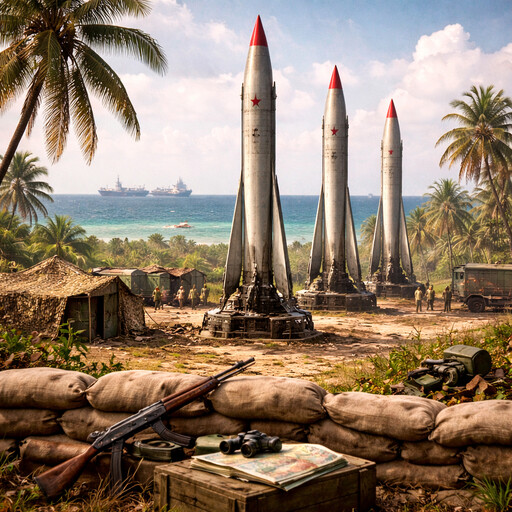
Cuban Missile Crisis
Cold War nuclear standoff in 1962