The Armenian genocide refers to the large-scale killing and forced movement of Armenians during World War I. It occurred mainly between 1915 and 1917 within the Ottoman Empire, a large state that ruled parts of the Middle East, eastern Europe, and North Africa. Armenians were an ethnic and religious group who had lived in the region for many centuries. During the war, many Armenians were removed from their homes, sent on long marches, or killed.
At the start of World War I in 1914, the Ottoman Empire joined the war on the side of Germany and Austria-Hungary. The Ottoman government feared that some Armenians might support Russia, an enemy state to the north. In 1915, the government ordered the arrest of Armenian leaders in the capital city, Constantinople, now called Istanbul. This event is often marked as the beginning of the genocide. Soon after, wider actions were taken against Armenian communities.
Many Armenians were forced to leave their homes in eastern Anatolia, a large region in the empire. These people were sent on deportations, which means forced movement from one place to another. Large groups were marched toward the Syrian desert. During these journeys, many people died from hunger, thirst, disease, or attacks. Some were killed by soldiers or local groups. Towns and villages with Armenian populations were emptied.
The Ottoman government claimed that the deportations were a wartime security measure. However, reports from diplomats, missionaries, and survivors described widespread killing and harsh treatment. An estimate often given by historians is that about 1 million to 1.5 million Armenians died during this period. The exact number is uncertain because records from the time are incomplete.
After World War I ended in 1918, the Ottoman Empire collapsed. Some Ottoman officials were put on trial, but many were never punished. Over time, Armenians who survived settled in many other countries. These communities are called the Armenian diaspora, which means people living outside their original homeland. Today, large Armenian communities exist in countries such as Armenia, Russia, the United States, and France.
The term genocide was later created by the lawyer Raphael Lemkin in the 1940s to describe the planned destruction of a group. Many countries and historians describe the events involving Armenians as genocide. The government of modern Turkey, which was formed after the Ottoman Empire, does not accept this term and disputes the description. The Armenian genocide remains an important and widely studied event in world history.
Armenian genocide
Level
readlittle.com
Mass killing of Armenians during World War I
What We Can Learn
- The Armenian genocide occurred mainly between 1915 and 1917.
- It took place during World War I in the Ottoman Empire.
- Armenians were killed or forced from their homes.
- The events are described differently by various governments and historians.
Related Reads
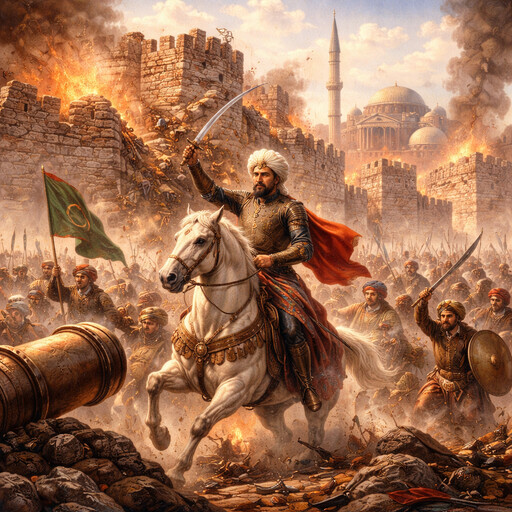
Fall of Constantinople
Ottoman capture of Constantinople in 1453
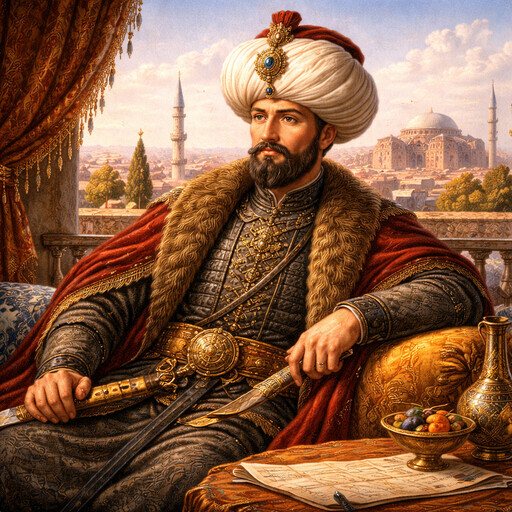
Mehmed II
Ottoman sultan who captured Constantinople

Fritz Haber
German chemist of the early 1900s
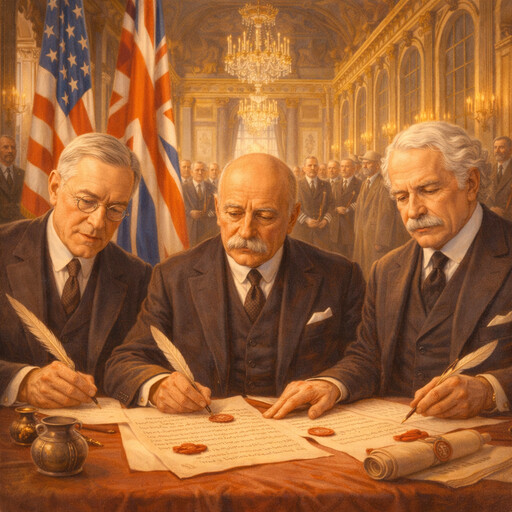
Treaty of Versailles
Peace agreement ending World War I
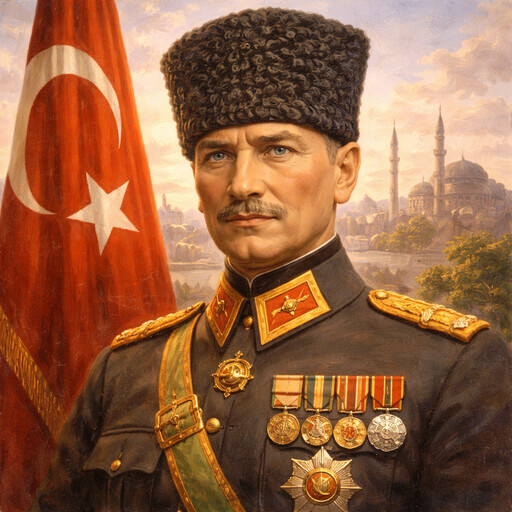
Mustafa Kemal Atatürk
Founder of modern Turkey
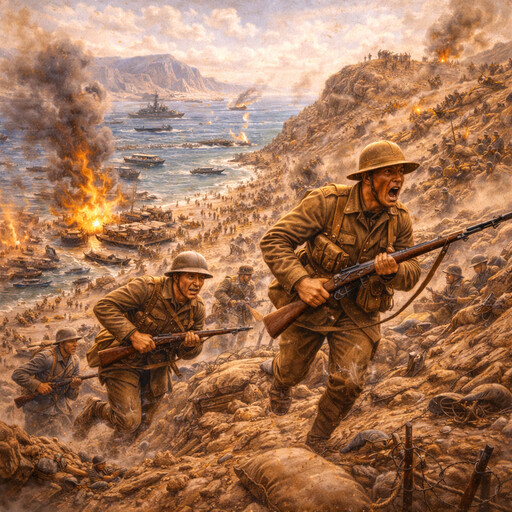
Gallipoli campaign
World War I campaign in Turkey

David Lloyd George
British prime minister during World War I
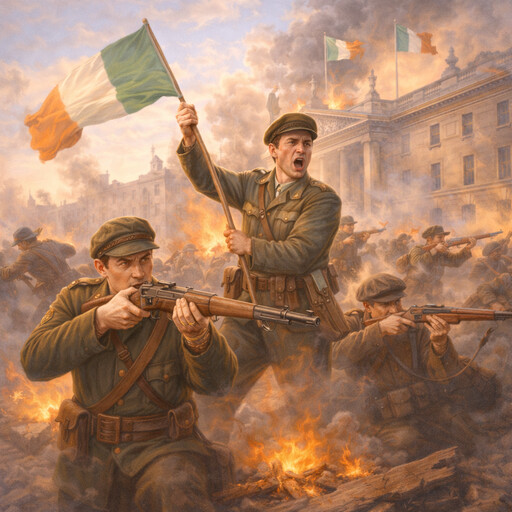
Easter Rising
Irish uprising in Dublin, 1916

Georges Clemenceau
French leader during World War I

Zeppelin
Large rigid airship for flight
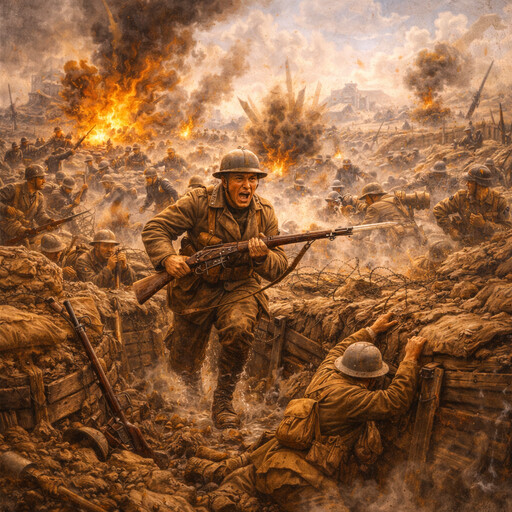
Battle of the Somme
Major World War I battle
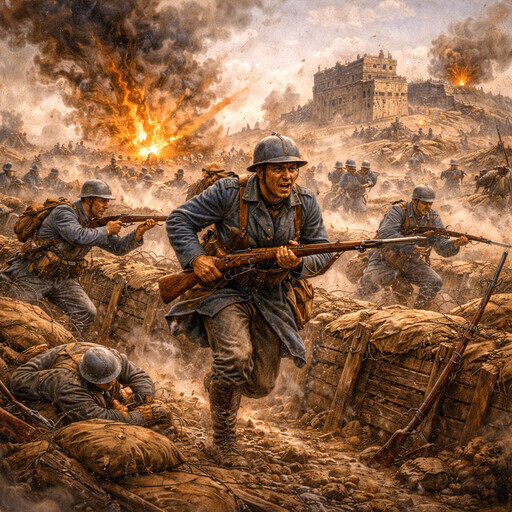
Battle of Verdun
Longest battle of World War I