The Treaty of Versailles was a peace treaty signed in 1919 after World War I ended. A treaty is a formal agreement between countries. This treaty was mainly written by the Allied powers, which included France, Britain, and the United States. It officially ended the state of war between the Allies and Germany. The treaty was signed at the Palace of Versailles in France, which is how it got its name.
The treaty was created after years of fighting in World War I, a major war that lasted from 1914 to 1918. Many countries in Europe were involved, and millions of soldiers and civilians were affected. After the fighting stopped, leaders from the winning countries met to decide how peace should be arranged. This meeting was part of a larger event called the Paris Peace Conference. Germany was not allowed to take part in writing the treaty.
One major part of the Treaty of Versailles focused on Germany’s responsibility for the war. The treaty included a statement called the war guilt clause. This clause said that Germany accepted blame for causing the war. Because of this, Germany was required to pay reparations. Reparations are payments made to repair damage caused by war. These payments were meant to help rebuild countries that had been damaged.
The treaty also placed limits on Germany’s military. Germany was required to reduce the size of its army and navy. It was not allowed to have an air force. Certain weapons, such as tanks and submarines, were restricted or banned. These rules were meant to prevent Germany from starting another large war.
Territory was another important issue in the treaty. Germany lost control of several regions. Some land was given to France, Belgium, Denmark, and Poland. Germany also lost all of its overseas colonies, which were placed under the control of other countries. These changes reshaped the map of Europe and affected many people living in those areas.
The Treaty of Versailles was signed on June 28, 1919. It officially came into force in 1920. Over time, the treaty became a key part of European history. It influenced political and economic conditions in Germany and affected relationships between countries during the years that followed World War I.
Treaty of Versailles
Level
readlittle.com
Peace agreement ending World War I
What We Can Learn
- The Treaty of Versailles was signed in 1919 after World War I.
- It placed responsibility and restrictions on Germany.
- The treaty changed borders and military rules in Europe.
- It was signed at the Palace of Versailles in France.
Related Reads
No image
Vienna
Capital city on the Danube River

Revolutions of 1848
Uprisings across Europe in 1848

Molotov–Ribbentrop Pact
Non-aggression agreement before World War II

Polish–Soviet War
War over borders after World War I

Munich Agreement
1938 agreement over Czechoslovak territory
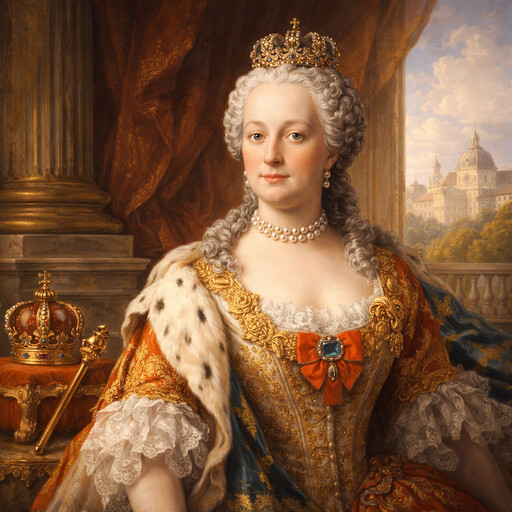
Maria Theresa
Powerful ruler of the Habsburg lands

Vilnius
Historic capital city of Lithuania

Prague
Historic capital city of the Czech Republic
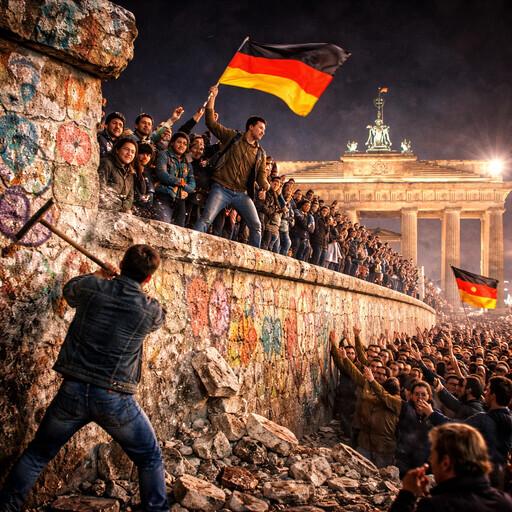
Fall of the Berlin Wall
End of Germany’s divided barrier
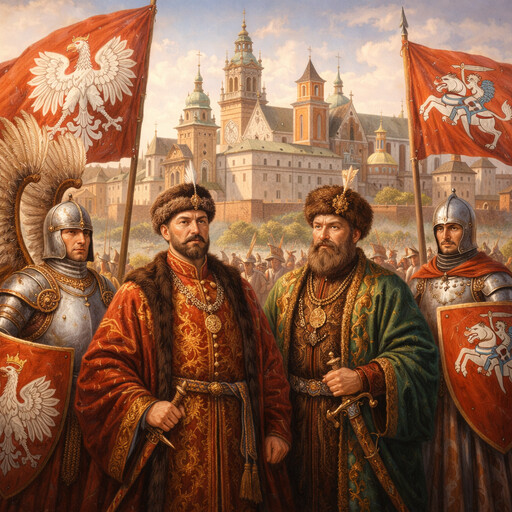
Polish–Lithuanian Commonwealth
A large early modern European state
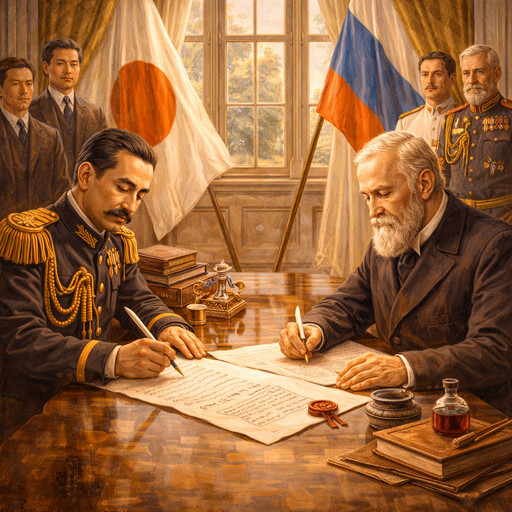
Treaty of Portsmouth
Peace agreement ending Russo-Japanese War
Treaty of Nanking
First unequal treaty between China and Britain