World War I was a large international war fought mainly in Europe between 1914 and 1918. It involved many of the world’s major powers and spread across several continents. The war began after rising tensions between countries and a system of alliances that pulled many states into conflict. It ended with major political changes and the collapse of several empires.
Before the war, Europe was divided into rival groups. One group was the Allied Powers, which included Britain, France, and Russia. Another group was the Central Powers, led by Germany, Austria-Hungary, and the Ottoman Empire. Countries formed alliances, which are agreements to support each other in war. These alliances meant that a conflict between two states could quickly involve many others.
The immediate cause of the war was the assassination of Archduke Franz Ferdinand of Austria-Hungary on 28 June 1914. He was killed in Sarajevo by a nationalist from Bosnia. After this event, Austria-Hungary declared war on Serbia. Due to alliances, Russia supported Serbia, Germany supported Austria-Hungary, and soon Britain and France were drawn in. Fighting began across Europe.
Much of the war on the Western Front was fought using trench warfare. Trenches are long ditches dug into the ground to protect soldiers. Opposing armies faced each other across a narrow area called no man’s land. Battles were long and difficult, with little movement. New weapons such as machine guns, poison gas, tanks, and submarines were used. These weapons changed how wars were fought.
The war also spread beyond Europe. Fighting took place in Africa, the Middle East, and Asia. The Ottoman Empire fought against Britain and its allies in several regions. In 1917, the United States entered the war on the Allied side. American troops and supplies helped strengthen the Allies during the final stages of the conflict.
In November 1918, fighting ended with an armistice, which is an agreement to stop fighting. In 1919, the Treaty of Versailles was signed. This treaty placed strict limits on Germany and changed national borders. Several empires, including the German, Austro-Hungarian, Ottoman, and Russian empires, collapsed. World War I caused great loss of life and left lasting effects on international relations.
World War I
Level
readlittle.com
Global conflict of the early twentieth century
What We Can Learn
- World War I lasted from 1914 to 1918
- The war involved two major alliance groups
- Trench warfare was common on the Western Front
- The war ended with the Treaty of Versailles
Related Reads
No image
Vienna
Capital city on the Danube River
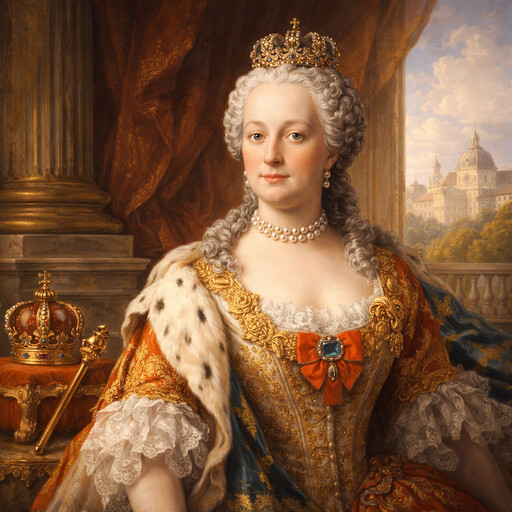
Maria Theresa
Powerful ruler of the Habsburg lands

Munich Agreement
1938 agreement over Czechoslovak territory

Polish–Soviet War
War over borders after World War I

Revolutions of 1848
Uprisings across Europe in 1848

Molotov–Ribbentrop Pact
Non-aggression agreement before World War II

Vilnius
Historic capital city of Lithuania
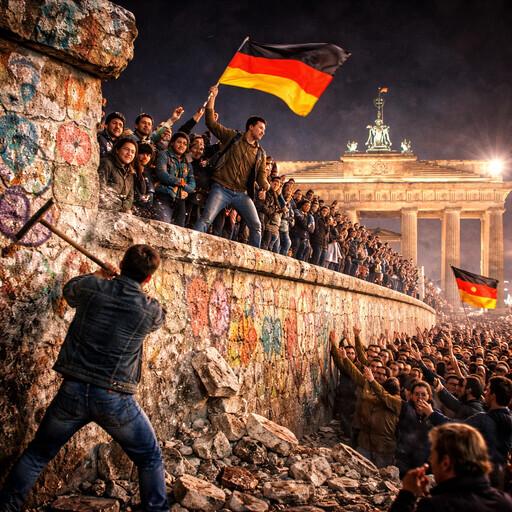
Fall of the Berlin Wall
End of Germany’s divided barrier
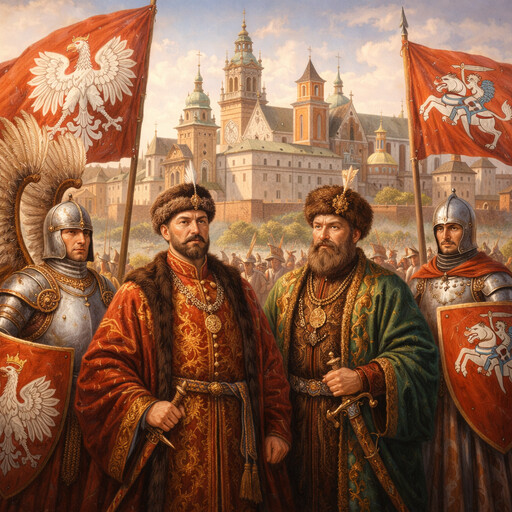
Polish–Lithuanian Commonwealth
A large early modern European state
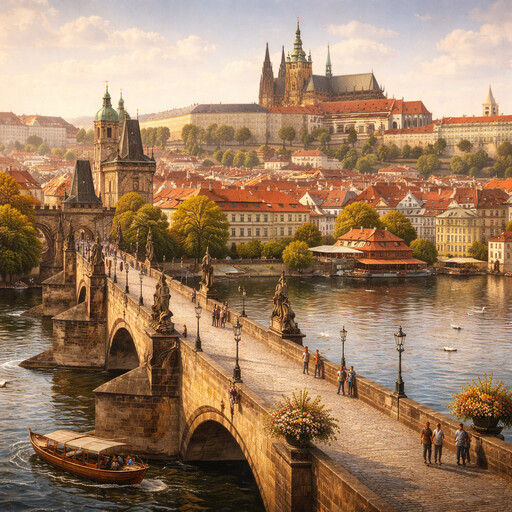
Prague
Historic capital city of the Czech Republic
Peace of Westphalia
Treaties ending major European wars
Johannes Gutenberg
Inventor of movable-type printing in Europe