Elizabeth I was Queen of England and Ireland from 1558 until her death in 1603. She was the daughter of Henry VIII and Anne Boleyn. Elizabeth became queen after the death of her half-sister, Mary I. Her reign lasted forty-four years, one of the longest of any English monarch. During this time, England experienced changes in religion, government, and foreign relations.
Elizabeth was born on September 7, 1533, at Greenwich Palace. When she was a child, her mother was executed, and Elizabeth was declared illegitimate. This meant she was no longer officially recognized as the king’s lawful heir. Despite this, Elizabeth received a strong education. She learned several languages, including Latin, Greek, French, and Italian. She also studied history and religion. These studies prepared her for public life.
After Henry VIII died in 1547, Elizabeth’s half-brother Edward VI became king. During his reign, England moved toward Protestant Christianity. When Edward died, Elizabeth’s half-sister Mary I became queen and restored Roman Catholic rule. Elizabeth was imprisoned for a time because Mary suspected her of involvement in rebellion. Elizabeth survived this period and became queen when Mary died in 1558.
As queen, Elizabeth established a religious settlement that returned England to Protestant rule. This settlement aimed to create stability after years of change. The monarch became the head of the Church of England. Church services followed a revised Book of Common Prayer. Some people supported these changes, while others did not. Elizabeth’s government enforced the laws but avoided rapid or extreme change.
Elizabeth never married. For this reason, she is often called the "Virgin Queen." Marriage was a political issue during her reign, as foreign rulers proposed alliances through marriage. Elizabeth chose not to select a husband. Instead, she ruled alone with the help of advisers such as William Cecil, later known as Lord Burghley. These advisers helped manage the country’s finances, laws, and diplomacy.
Elizabeth’s reign included conflicts with other European powers. The most famous event was the defeat of the Spanish Armada in 1588. The Spanish Armada was a large fleet sent by Philip II of Spain to invade England. English ships and storms disrupted the fleet, forcing it to retreat. Elizabeth died on March 24, 1603, at Richmond Palace. She was succeeded by James VI of Scotland, who became James I of England. Elizabeth was buried in Westminster Abbey, ending the Tudor dynasty.
Elizabeth I
Level
readlittle.com
Queen of England and Ireland
What We Can Learn
- Elizabeth I ruled from 1558 to 1603
- She was the daughter of Henry VIII and Anne Boleyn
- England returned to Protestant rule during her reign
- She was succeeded by James I
Related Reads
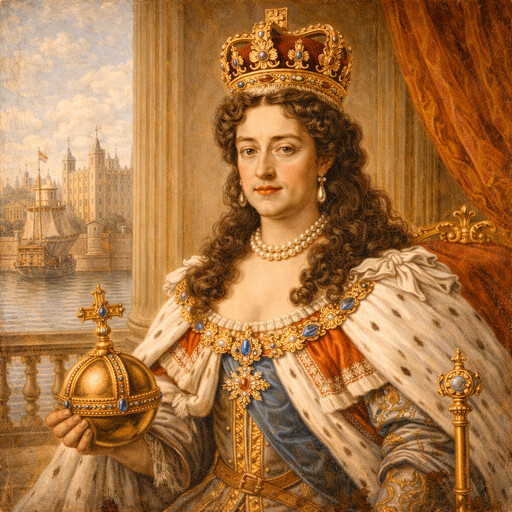
Mary II
Queen who ruled jointly
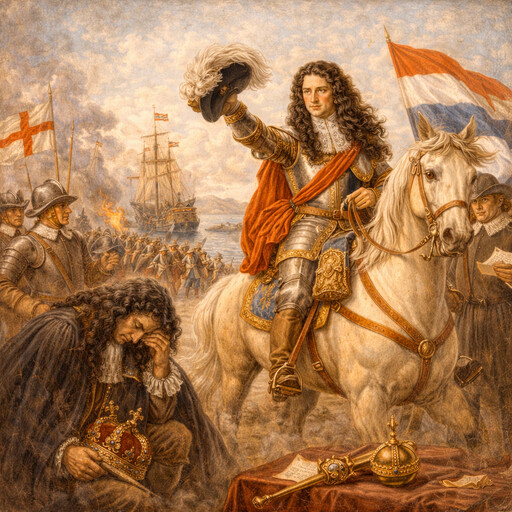
Glorious Revolution
Peaceful change of English monarchy
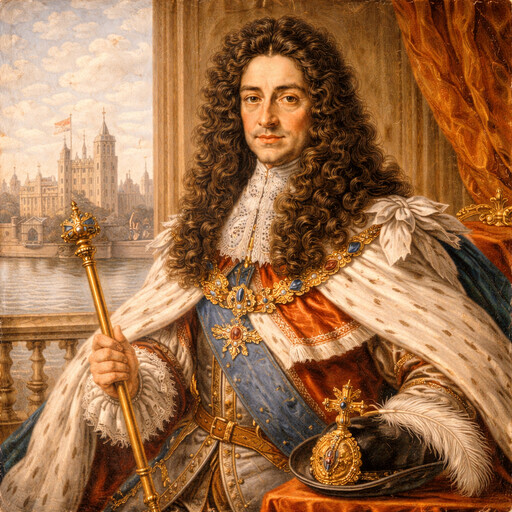
William III of England
King after the Glorious Revolution
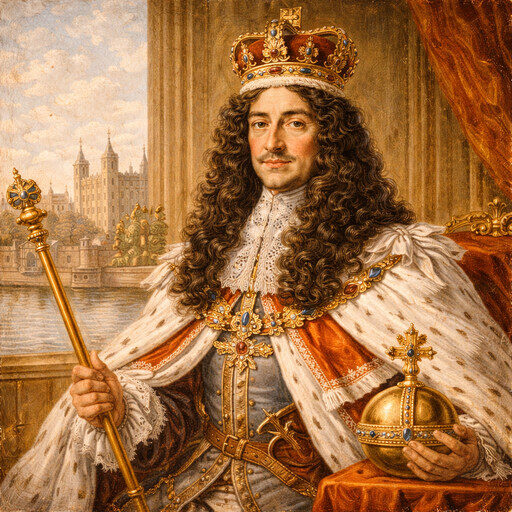
James II
King removed during political change
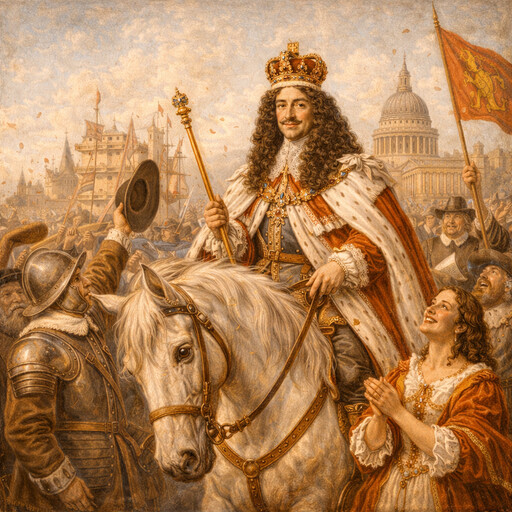
Stuart Restoration
Return of monarchy in 1660
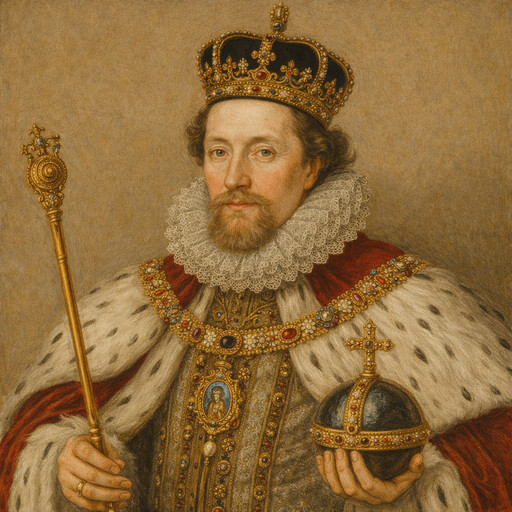
James VI and I
King of Scotland, England, and Ireland
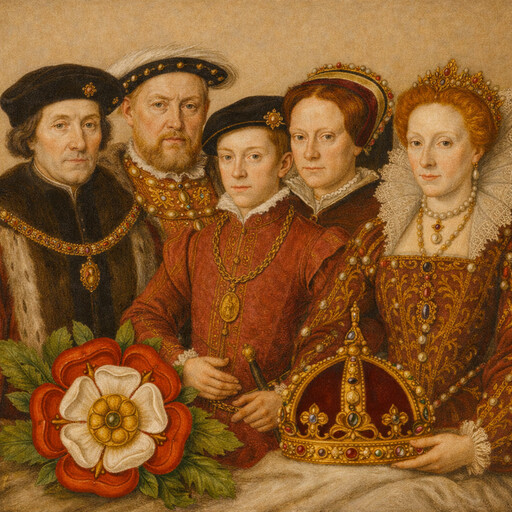
House of Tudor
Royal family of England and Wales
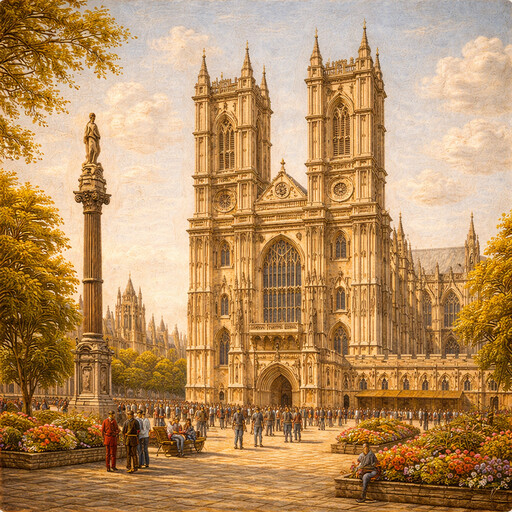
Westminster Abbey
Historic church of coronations and burials

Charles I of England
King during civil war and execution
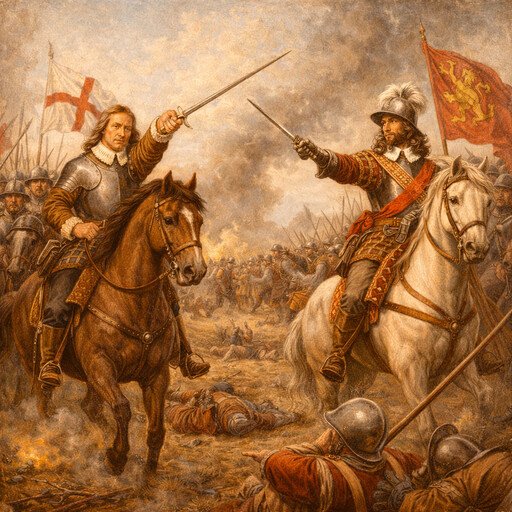
English Civil War
Conflict between king and Parliament
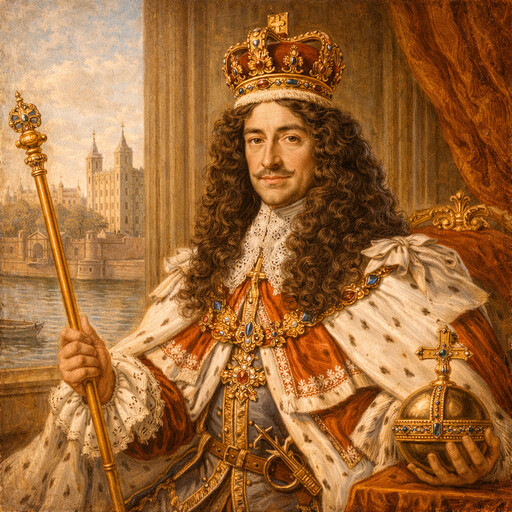
Charles II of England
King restored after civil war
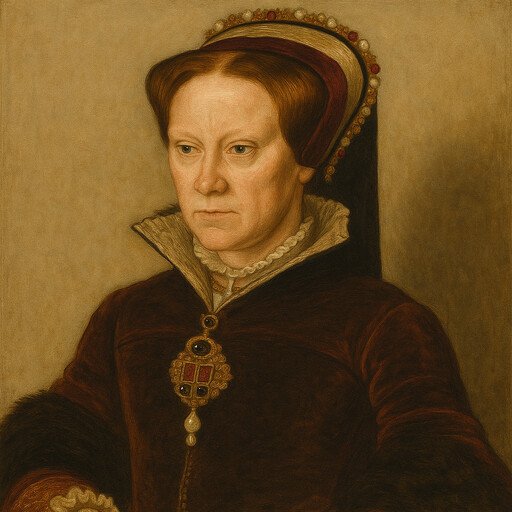
Mary I
Queen of England and Ireland