Norway stretches along the Scandinavian Peninsula with one of the world's longest coastlines, carved by deep fjords, islands, and skerries that extend into the North Atlantic and Arctic Ocean. Inland landscapes include tundra, mountains, and forests that shelter reindeer, elk, and Arctic foxes, while rivers and waterfalls rush toward the sea.
Norway is a constitutional monarchy with a king as ceremonial head of state and a prime minister leading the Storting, the country's parliament. Counties and municipalities manage education, healthcare, transport, and coastal planning, empowering citizens in both cities and remote fishing villages. Consensus policies emphasize transparency, social welfare, and collaborative decision-making.
History traces Viking voyages, medieval kingdoms, union periods with Denmark and Sweden, and independence achieved in 1905. Norway remained neutral during World War I, resisted occupation during World War II, and later helped found NATO while maintaining strong ties to the United Nations. The country invests petroleum revenues into a sovereign wealth fund that supports future generations.
Economy and research focus on maritime industries, hydropower, fisheries, aquaculture, and advanced offshore engineering. Hydropower supplies nearly all domestic electricity, while wind farms and battery projects expand renewable capacity. Arctic scientific stations monitor climate change, and shipping lanes carry goods from Bergen and Trondheim to North America and Asia.
Cultural life embraces indigenous Sami traditions, literature from Henrik Ibsen to modern authors, and winter sports such as skiing and biathlon. Festivals celebrate northern lights and midsummer, while national parks protect glaciers and tundra. Norway collaborates through the Nordic Council, Arctic Council, and global humanitarian missions on peacebuilding and environmental stewardship.
Norway
Level
readlittle.com
Fjords, energy, and Arctic stewardship
What We Can Learn
- Norway's coastline contains fjords, islands, and Arctic waterways.
- Constitutional monarchy and consensus politics sustain social welfare.
- History of unions, independence, and resistance informs diplomacy.
- Maritime industries, hydropower, and renewable energy drive the economy.
Related Reads
No image
Monarchy
Government ruled by a royal family

Johann Gottfried Herder
German thinker of culture and language
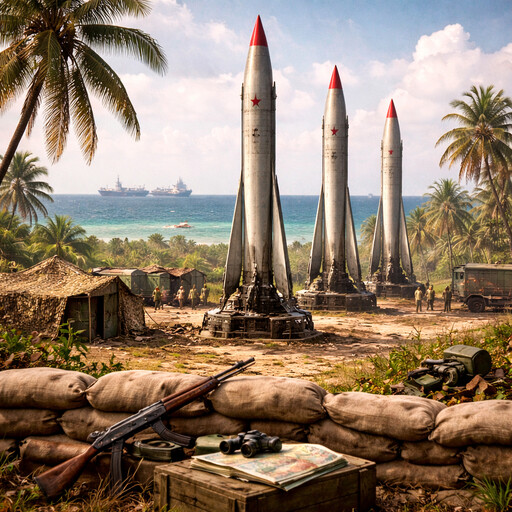
Cuban Missile Crisis
Cold War nuclear standoff in 1962
Henry Kissinger
American diplomat and foreign policy leader
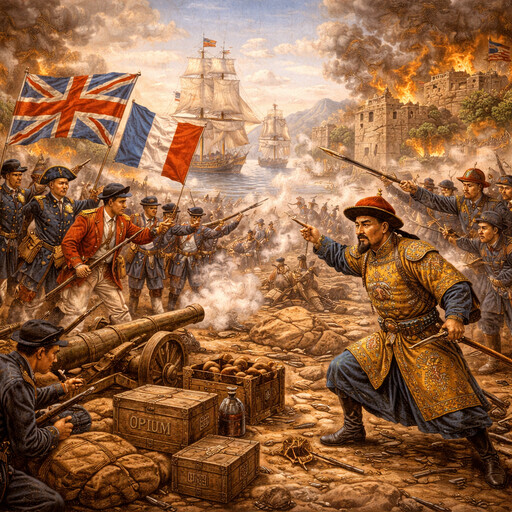
Second Opium War
Renewed conflict between China and Western powers
Ming dynasty
Chinese dynasty from 1368 to 1644
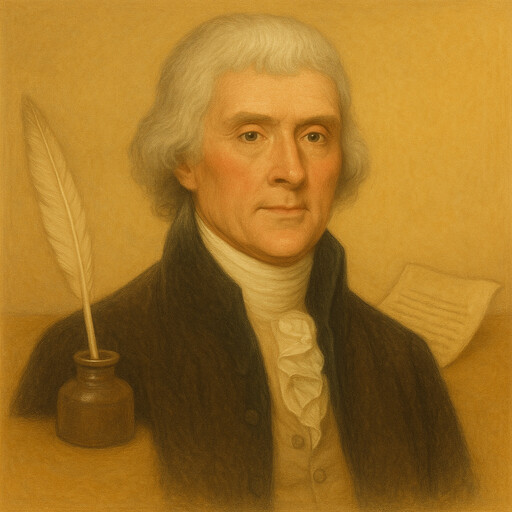
Thomas Jefferson
Author and third U.S. president
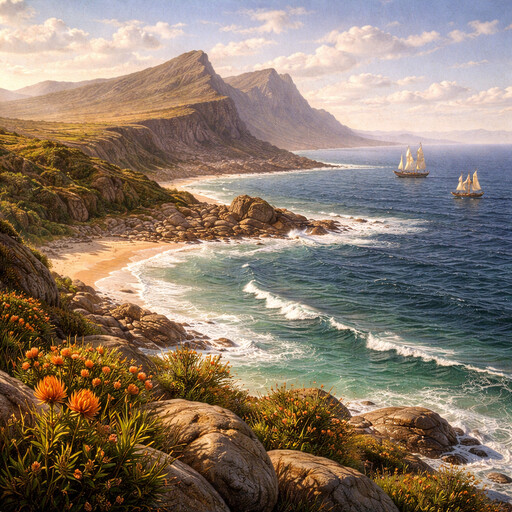
Cape of Good Hope
Southern headland of Africa
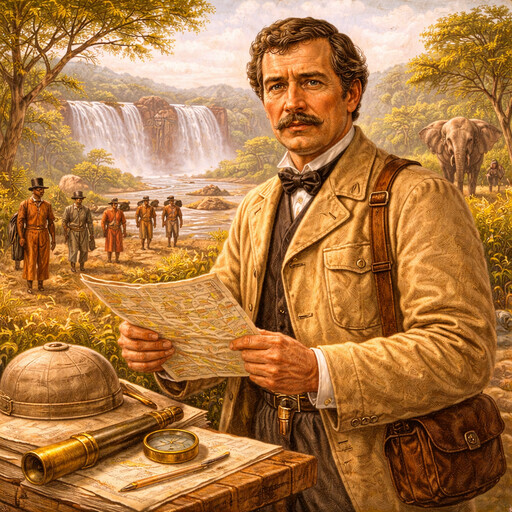
David Livingstone
Scottish explorer of Africa
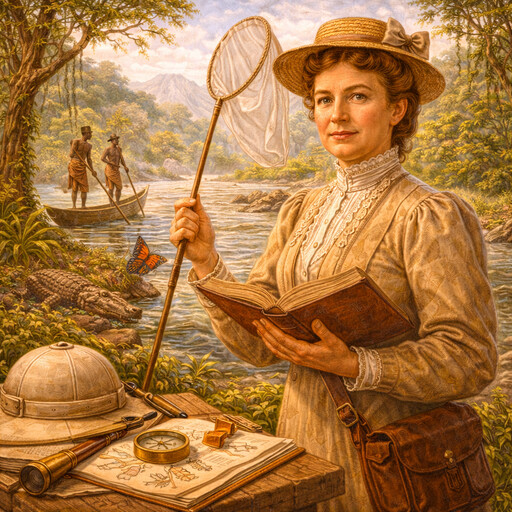
Mary Kingsley
British traveler and writer in West Africa
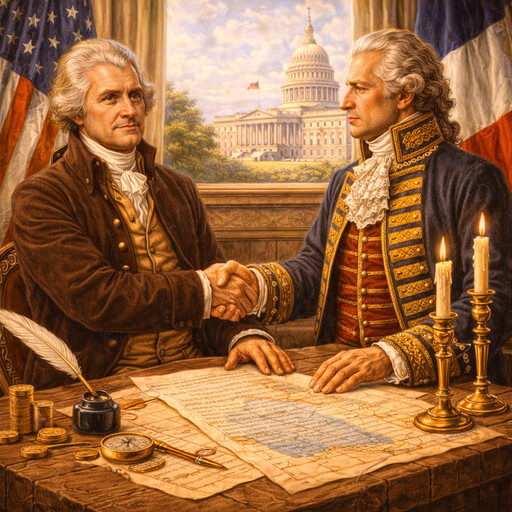
Louisiana Purchase
A land deal that doubled the United States

Lewis and Clark Expedition
Exploring the land west of the Mississippi