Alexander von Humboldt was a German explorer, naturalist, and writer who lived from 1769 to 1859. A naturalist is a person who studies plants, animals, and the natural world. Humboldt is known for traveling long distances and carefully observing nature. He believed that nature works as a connected whole, not as separate parts. His ideas helped shape how people later studied geography, biology, and climate.
Humboldt was born in Berlin, which was part of Prussia at the time. His family was wealthy, and this allowed him to receive a strong education. From a young age, he showed interest in plants, rocks, and insects. He studied science, mathematics, and languages. He also trained in mining, which is the work of taking minerals from the ground. This training taught him how to observe land and measure natural features.
In 1799, Humboldt began a long journey to the Americas with a French scientist named Aimé Bonpland. They traveled through parts of modern-day Venezuela, Colombia, Ecuador, Peru, Mexico, and Cuba. Humboldt climbed mountains, explored rivers, and studied forests and deserts. He measured temperatures, air pressure, and plant types. He climbed Mount Chimborazo in Ecuador, which was believed at the time to be the tallest mountain in the world.
During his travels, Humboldt noticed that similar plants grew in similar climates, even on different continents. He created maps that showed how plants change with altitude, or height above sea level. He also studied volcanoes and earthquakes. Humboldt recorded everything in notebooks, drawings, and maps. He collected samples of plants and rocks and sent them back to Europe for study.
After returning to Europe, Humboldt spent many years writing books about his travels. One of his most famous works is called Kosmos. In this work, he described nature as a system where land, water, air, plants, and animals are linked. His writing influenced many later scientists, including Charles Darwin. Humboldt also traveled to Russia later in life to study its land and resources.
Alexander von Humboldt died in 1859 in Berlin. He spent most of his life studying, writing, and sharing knowledge. His careful records helped people better understand how the Earth works. Many places, plants, animals, and schools around the world are named after him. His work helped shape modern geography and environmental science.
Alexander von Humboldt
Level
readlittle.com
Explorer of nature and the natural world
What We Can Learn
- Alexander von Humboldt was born in 1769 in Berlin.
- He explored the Americas and studied nature closely.
- He believed nature is a connected system.
- He died in 1859 after a long life of study.
Related Reads
Dutch Golden Age
Period of Dutch global growth
Cape of Good Hope
Southern headland of Africa
David Livingstone
Scottish explorer of Africa
Mary Kingsley
British traveler and writer in West Africa
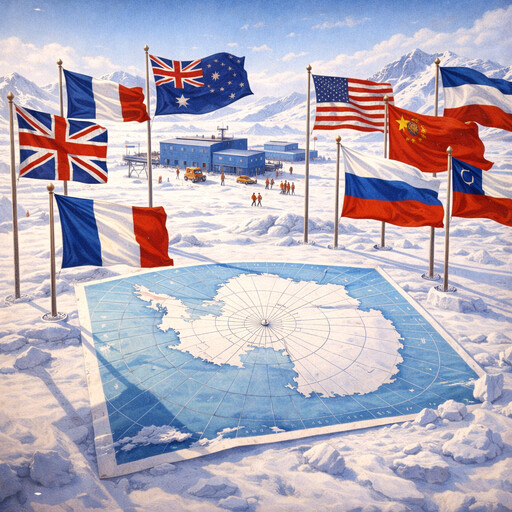
Antarctic Treaty System
Agreements governing Antarctica

Louisiana Purchase
A land deal that doubled the United States
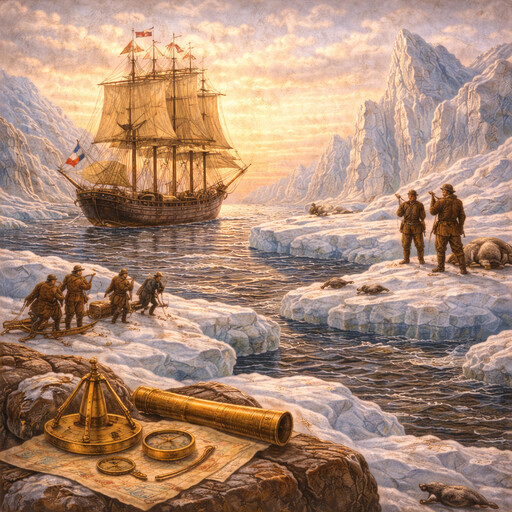
Northwest Passage
A sea route through Arctic waters
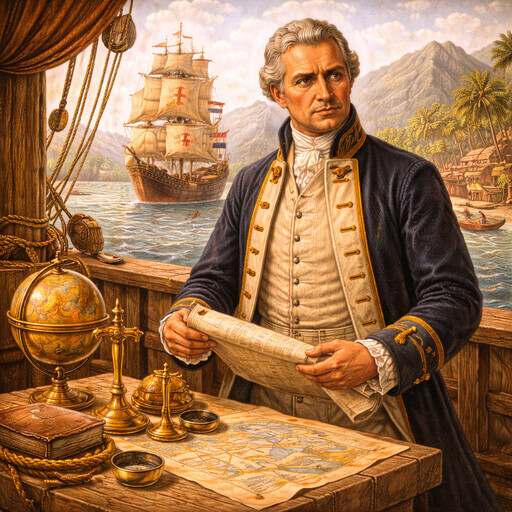
James Cook
British explorer of the Pacific Ocean

Lewis and Clark Expedition
Exploring the land west of the Mississippi
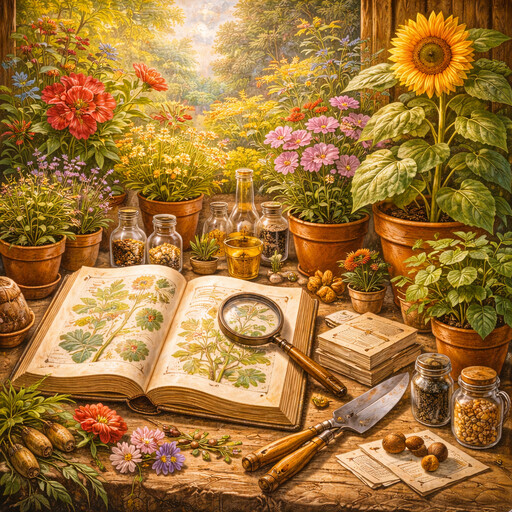
Botany
The study of plants and plant life
Pytheas
Greek explorer of the far north
Ptolemy
Ancient scholar of astronomy and geography