Kangaroo belongs to the marsupial family, meaning mothers carry underdeveloped young in a pouch. The smallest joey is the size of a jellybean when it crawls up to the pouch, where it nurses and continues to grow for months. Kangaroos have massive hind legs and elastic tendons that store energy, allowing them to hop efficiently across long distances. Strong tails act as a third leg when they stand or move slowly.
Several species roam Australia: red kangaroos prefer open deserts, eastern grey kangaroos thrive in woodlands and grasslands, and tree kangaroos climb rainforest branches in northern regions. Mobs—groups of kangaroos—graze at dawn and dusk to avoid midday heat. Their grazing keeps grasses short, reducing wildfire fuel loads and creating open spaces for other animals. Kangaroos also dig shallow pits called "diggings" to reach moisture, which can provide water for birds and reptiles.
Communication relies on thumping feet, grunts, and nose touching. Male kangaroos sometimes box, balancing on tails while pushing with forearms to establish dominance. Females can pause pregnancies during droughts, a phenomenon called embryonic diapause, ensuring that joeys are born when conditions improve. Kangaroos groom their fur with forepaws, spreading saliva that cools their bodies in extreme heat.
Kangaroos face challenges from habitat fragmentation, vehicle collisions, and drought. Wildlife crossings, reduced nighttime speed limits, and fencing around agricultural zones help reduce road accidents. Indigenous ranger groups and conservationists monitor populations, guiding sustainable harvest quotas that prevent overgrazing while protecting cultural values. Researchers track kangaroo movements with GPS collars to understand how climate change affects food and water availability.
Kangaroos appear on Australia’s coat of arms, national airline symbols, and countless souvenirs. Athletes study their efficient hopping to design prosthetic limbs and spring-loaded running shoes. When people preserve native grasslands and drive carefully at dusk, kangaroos continue to bound across the outback, sharing the landscape with emus, cockatoos, and bilbies.
Kangaroo
Level
readlittle.com
Marsupial jumpers of Australia
What We Can Learn
- Kangaroos are marsupials whose joeys develop inside protective pouches.
- Elastic tendons and powerful legs provide energy-efficient hopping.
- Grazing habits influence grasslands and water availability.
- Safe driving, habitat protection, and cultural stewardship help kangaroo populations remain healthy.
Related Reads

Johann Gottfried Herder
German thinker of culture and language
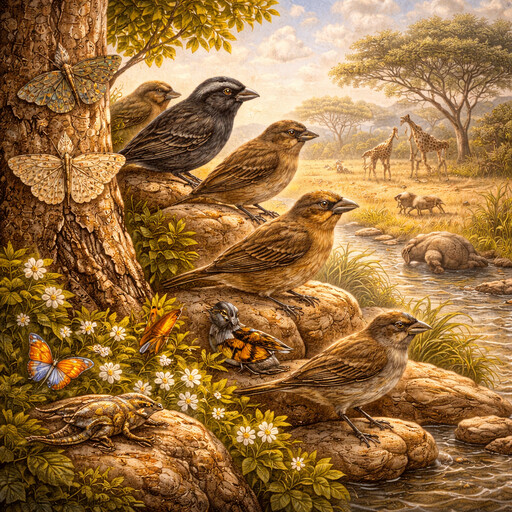
Natural selection
How living things change over time
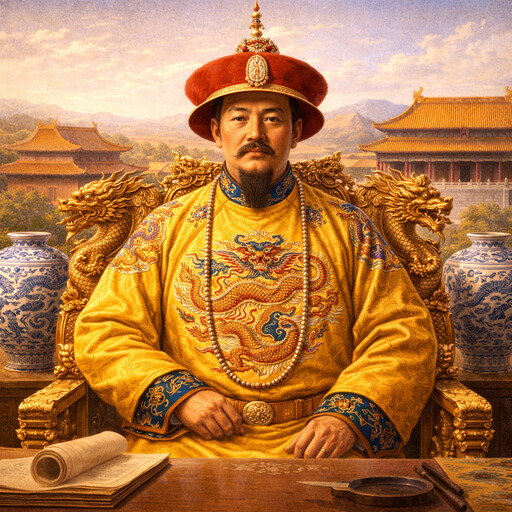
Ming dynasty
Chinese dynasty from 1368 to 1644

Renaissance
Period of cultural change in Europe

Polynesia
Island region of the Pacific Ocean

Kinship
Family relationships and social ties
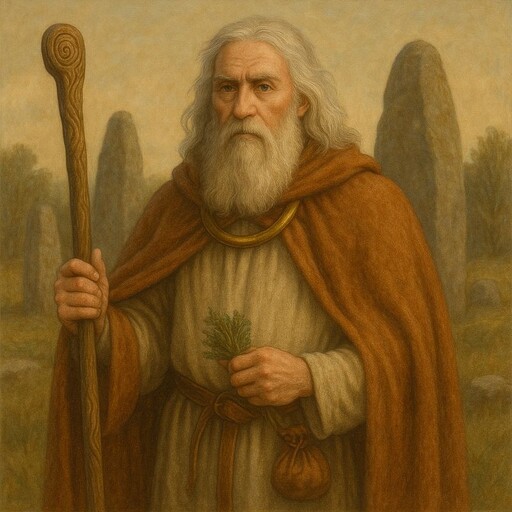
Celts
Ancient peoples of Europe
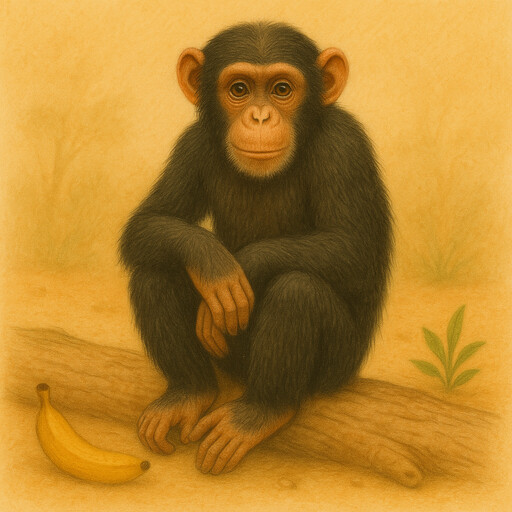
Chimpanzee
Inventive problem-solvers of African forests
Scandinavia
Northern region of Europe
Gorilla
Forest gardeners with gentle strength
Vikings
Seafaring people of northern Europe

Anglo-Saxons
Early peoples of England