Australia stretches across the Southern Hemisphere between the Indian and Pacific Oceans. The landscape includes the arid Outback, eucalyptus forests, tropical savannas, alpine peaks in the Australian Alps, and coral reefs along the northeast coast. Most people live in coastal cities like Sydney, Melbourne, Brisbane, Perth, and Adelaide, which enjoy sea breezes and support ports, universities, and cultural festivals. Inland towns rely on bore water, solar power, and aerial medical services to connect remote communities.
First Nations peoples have lived on the continent for more than 60,000 years, developing diverse languages, trade routes, and cultural practices tied to Country. European settlement began in 1788, leading to self-governing colonies that federated as the Commonwealth of Australia in 1901. Today the nation recognizes Indigenous heritage through art centers, language revitalization, and land management partnerships, while debates about constitutional recognition continue.
Australia is a federal parliamentary democracy and constitutional monarchy. Citizens elect representatives to the House of Representatives and Senate, and the prime minister leads the national government. States and territories manage schools, hospitals, and transportation, while local councils handle libraries, sports facilities, and recycling. Agencies collaborate on disaster response for bushfires, floods, and cyclones.
The economy blends mining, agriculture, manufacturing, services, and technology. Mines extract iron ore, bauxite, lithium, and gold; farms grow wheat, cotton, and sugarcane; and ranches raise cattle and sheep. Renewable-energy projects harness sun and wind across the Outback, while researchers test wave-energy devices along the southern coast. Innovation hubs in Canberra and Sydney develop quantum computing, medical devices, and sustainable building materials. Tourism highlights national parks such as Kakadu and Uluru-Kata Tjuta, whale migrations, and wine regions.
Australian culture features sports like cricket, rugby, and Australian rules football, as well as film, literature, and culinary creativity. Families gather for beach barbecues, bushwalks, and festivals that celebrate multicultural cuisines from Asia, Europe, and the Pacific. Artists share Indigenous dot paintings, Torres Strait Islander weaving, and contemporary music mixing didgeridoo with electronic beats. Students join surf life saving clubs, robotics teams, and citizen-science projects that monitor reef health, emphasizing stewardship of land and sea.
Australia
Level
readlittle.com
Island continent of unique habitats
What We Can Learn
- Australia is a continent-sized nation with deserts, reefs, and bustling coastal cities.
- First Nations cultures date back tens of thousands of years, followed by federation in 1901.
- A federal parliamentary democracy coordinates national, state, and local services.
- Mining, agriculture, technology, and tourism drive a diversified economy focused on sustainability.
Related Reads

Johann Gottfried Herder
German thinker of culture and language
No image
Monarchy
Government ruled by a royal family
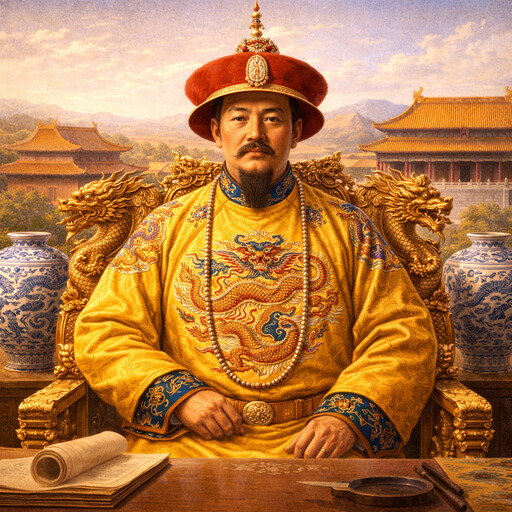
Ming dynasty
Chinese dynasty from 1368 to 1644
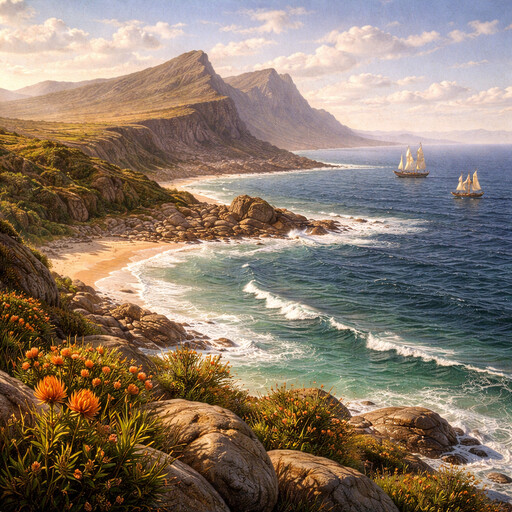
Cape of Good Hope
Southern headland of Africa
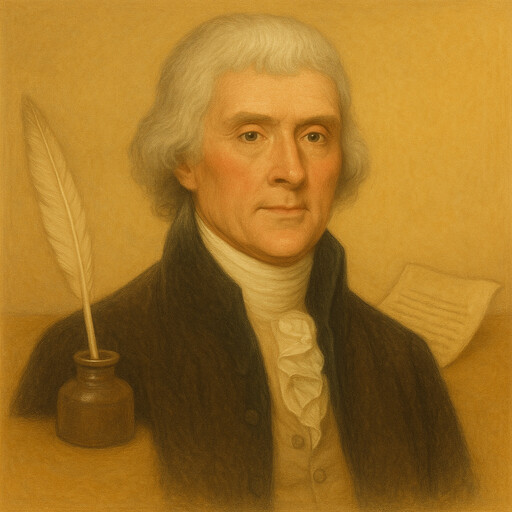
Thomas Jefferson
Author and third U.S. president
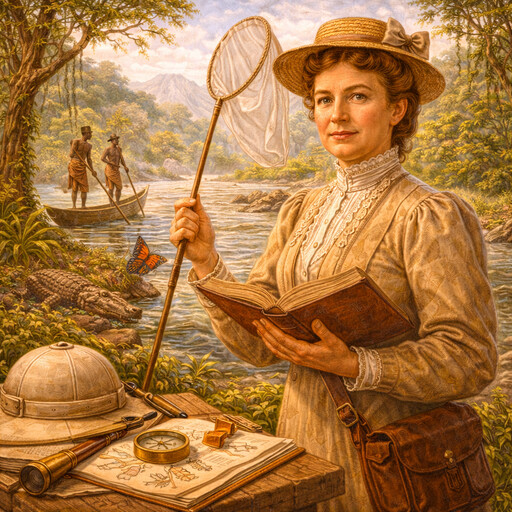
Mary Kingsley
British traveler and writer in West Africa
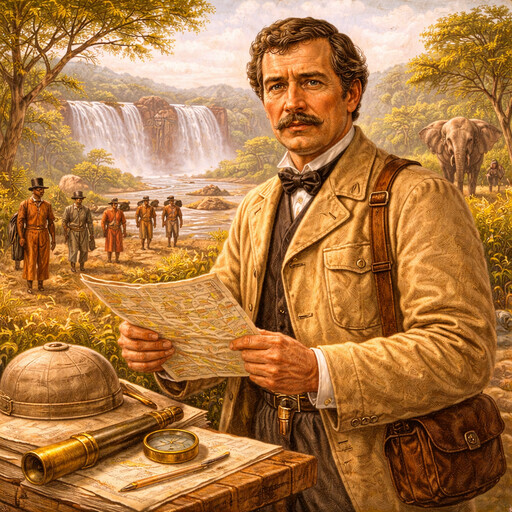
David Livingstone
Scottish explorer of Africa
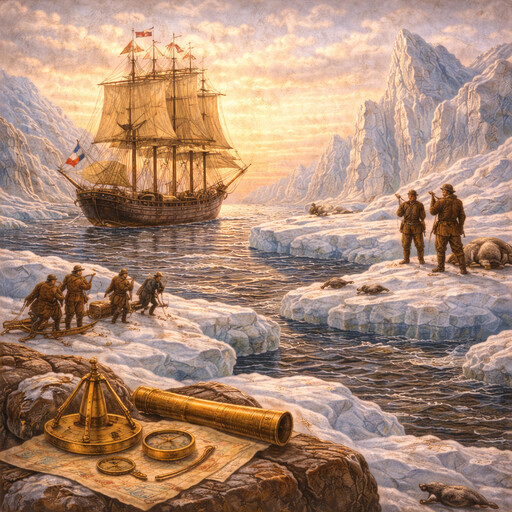
Northwest Passage
A sea route through Arctic waters
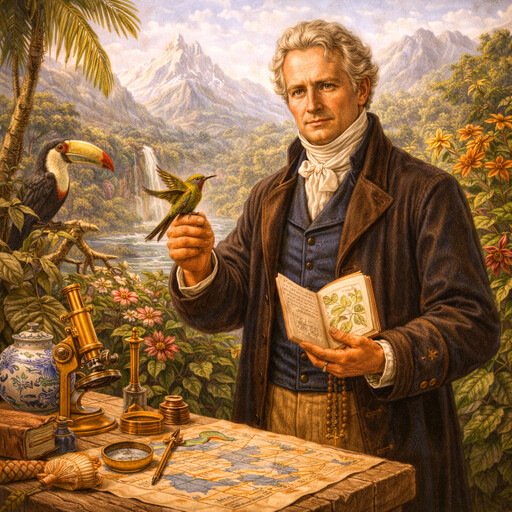
Alexander von Humboldt
Explorer of nature and the natural world

Louisiana Purchase
A land deal that doubled the United States

Lewis and Clark Expedition
Exploring the land west of the Mississippi
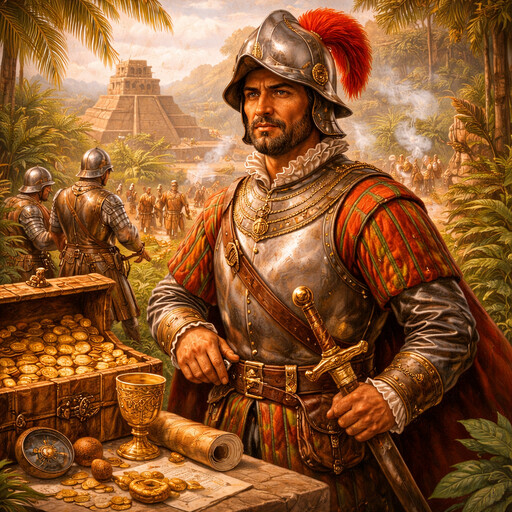
Conquistador
Spanish explorers and soldiers of empire