The French Revolution was a time of great change in France during the late 1700s. It began in 1789 and lasted for about ten years. During this period, people challenged the power of the king and the old system of government. France moved from being a monarchy, ruled by a king, to a republic, which is a state without a king or queen.
Before the revolution, French society was divided into three groups called estates. The First Estate was the clergy, who were church leaders. The Second Estate was the nobility, who were wealthy families with special rights. The Third Estate included everyone else, such as farmers, workers, and shopkeepers. Most people were in the Third Estate, but they had the fewest rights and paid most of the taxes.
France also had serious money problems. The government was in debt, which means it owed large amounts of money. This debt came from expensive wars, including the Seven Years’ War and support for the American Revolutionary War. At the same time, food shortages made bread very expensive. Many families struggled to buy enough food.
In 1789, King Louis XVI called a meeting called the Estates-General. This was an assembly of representatives from the three estates. Members of the Third Estate wanted more political power. When their demands were not met, they formed a new group called the National Assembly. They promised to write a constitution, which is a set of rules for how a country is governed.
One important early event was the storming of the Bastille on July 14, 1789. The Bastille was a fortress used as a prison in Paris. It became a symbol of royal power. Crowds attacked it to take weapons and protest against the king. This event showed that many people were ready to challenge the monarchy.
As the revolution continued, France became more unstable. The king was arrested, put on trial, and executed in 1793. A period called the Reign of Terror followed, when many people were arrested or killed by the revolutionary government. In 1799, Napoleon Bonaparte took control of France. This event marked the end of the French Revolution.
French Revolution
Level
readlittle.com
Major political change in France
What We Can Learn
- The French Revolution began in 1789.
- It ended the monarchy in France.
- Society changed from estates to equal citizens.
- The revolution ended in 1799.
Related Reads
No image
Vienna
Capital city on the Danube River

Molotov–Ribbentrop Pact
Non-aggression agreement before World War II

Polish–Soviet War
War over borders after World War I
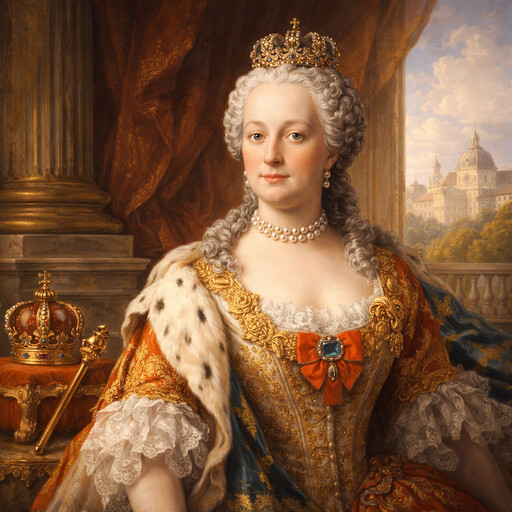
Maria Theresa
Powerful ruler of the Habsburg lands

Vilnius
Historic capital city of Lithuania

Peter the Great
Russian ruler who reshaped his country

Ivan III
Founder of a unified Russian state

Revolutions of 1848
Uprisings across Europe in 1848

Munich Agreement
1938 agreement over Czechoslovak territory

Fall of the Berlin Wall
End of Germany’s divided barrier
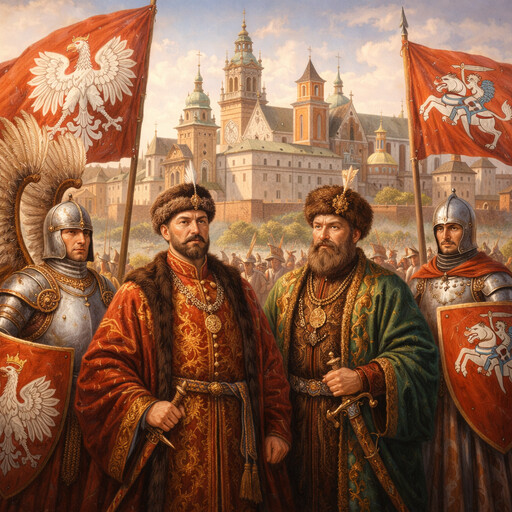
Polish–Lithuanian Commonwealth
A large early modern European state
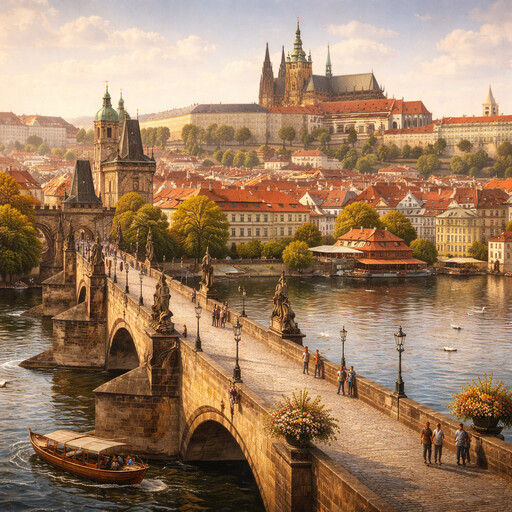
Prague
Historic capital city of the Czech Republic