The Perry Expedition was a naval mission sent by the United States to Japan in the mid-1800s. It was led by Commodore Matthew Perry, a senior officer in the United States Navy. A naval mission is a planned journey by ships for a government purpose. The goal of the expedition was to ask Japan to open its ports to American ships. At that time, Japan followed a policy of isolation. Isolation means keeping a country closed to most contact with other nations.
For over 200 years, Japan limited contact with foreign countries. This policy was called sakoku, which means "closed country." Only a small amount of trade was allowed, mostly with the Dutch and Chinese. Most foreign ships were not allowed to enter Japanese ports. By the 1800s, many countries wanted to trade with Japan. The United States was especially interested because American ships traveled across the Pacific Ocean and needed places to stop for supplies such as food, water, and coal.
In 1853, Commodore Matthew Perry sailed to Japan with four warships. These ships were large steam-powered vessels. Steam power used coal to heat water and create energy to move the ships. The Japanese people called these ships the Black Ships because of their dark color and smoke. Perry arrived in Edo Bay, near the city now called Tokyo. His arrival surprised the Japanese government, which was not used to foreign warships entering its waters.
Perry carried a letter from the President of the United States, Millard Fillmore. The letter asked Japan to open ports for trade and to treat shipwrecked sailors kindly. Perry explained that he would return for an answer. After delivering the letter, he left Japan and sailed away. This gave Japanese leaders time to discuss how to respond. Many leaders were unsure how to deal with foreign powers that had strong modern weapons.
In 1854, Perry returned with a larger fleet of ships. This time, Japanese officials agreed to meet with him. After discussions, both sides signed the Treaty of Kanagawa. A treaty is a formal agreement between countries. The treaty allowed American ships to enter two Japanese ports to get supplies. It also allowed the United States to place a consul, or official representative, in Japan. This treaty marked the end of Japan’s long isolation.
The Perry Expedition had lasting effects on Japan and its relations with other countries. After the treaty, other nations also made agreements with Japan. Over time, Japan began to change its government, economy, and military to deal with the outside world. The expedition is remembered as an important event that connected Japan more closely with global trade and diplomacy. Diplomacy means the way countries communicate and make agreements with each other.
Perry Expedition
Level
readlittle.com
American naval mission to Japan
What We Can Learn
- The Perry Expedition was led by Commodore Matthew Perry.
- It aimed to open Japanese ports to American ships.
- The expedition ended Japan’s long isolation policy.
- The Treaty of Kanagawa was signed in 1854.
Related Reads
Siege of Yorktown
Final major battle of American independence
Theodore Roosevelt
Twenty-sixth president of the United States
Thomas Jefferson
Author and third U.S. president

Mount Rushmore
Monument with four U.S. presidents

Mary Kingsley
British traveler and writer in West Africa
David Livingstone
Scottish explorer of Africa
Roald Amundsen
Norwegian polar explorer
Louisiana Purchase
A land deal that doubled the United States

William Clark
Leader of a famous American exploration
Ida Laura Pfeiffer
A traveler who journeyed around the world
Northwest Passage
A sea route through Arctic waters
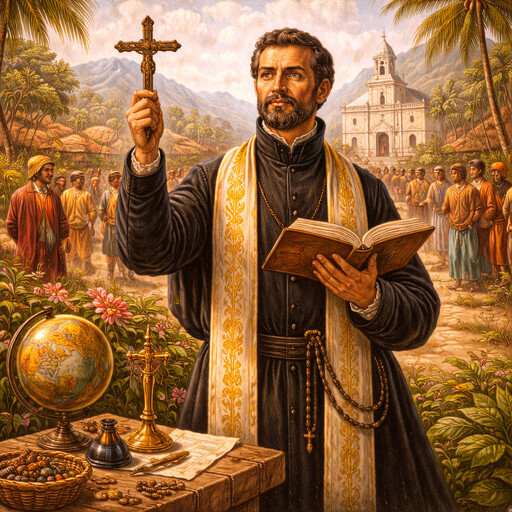
Francis Xavier
Missionary who traveled across Asia