Mary Kingsley was a British traveler and writer who lived in the late 19th century. She was born in 1862 in London, England. Mary Kingsley is known for her long journeys in West Africa, a region on the western side of the African continent. An explorer is a person who travels to places that are not well known to people from their own country. Kingsley traveled alone or with local guides. She recorded careful notes about the land, rivers, animals, and people she met. Her writing helped describe parts of Africa that were little known in Britain at that time.
Mary Kingsley grew up in a quiet home. Her father, George Kingsley, was a doctor and writer who traveled for work. Her mother was often ill, and Mary spent many years caring for her. Because of this, she did not attend school for long. Instead, she learned by reading books at home. She studied subjects such as geography and natural history. Natural history is the study of plants, animals, and the natural world. After both of her parents died, Kingsley decided to travel abroad. She chose West Africa as her destination.
Between 1893 and 1895, Kingsley made two major trips to West Africa. She traveled through areas that are now called Sierra Leone, Nigeria, Cameroon, and Gabon. She used rivers, canoes, and forest paths to move through the land. A canoe is a narrow boat that is moved with paddles. Kingsley climbed Mount Cameroon, a tall volcano near the coast. A volcano is a mountain that can release lava, ash, or gas. She also collected fish and other animals for museums in Britain. These collections were used for scientific study.
Kingsley spent much of her time living among local African communities. She observed their customs, trade, and daily work. A custom is a traditional way of living or behaving. She wrote about fishing, farming, and local markets. She also described belief systems and laws used by different groups. Her writing focused on careful description rather than storytelling. She believed it was important to record what she saw accurately. Many of her observations were included in her books, such as Travels in West Africa, published in 1897.
Mary Kingsley returned to Britain and gave public talks about her travels. A public talk is a speech given to an audience. She explained African geography and cultures to people who had never traveled outside Europe. In 1900, she traveled again, this time to South Africa, during the Second Boer War. The Boer War was a conflict between Britain and local settlers in southern Africa. Kingsley worked as a nurse, caring for sick prisoners. She caught typhoid fever, a serious illness, and died later that year at the age of 37.
After her death, Mary Kingsley continued to be remembered through her books and letters. Her writing remains an important record of West Africa in the 19th century. She is known as a traveler who worked carefully and independently. Kingsley’s detailed descriptions of geography, people, and daily life provide historical information about the regions she visited.
Mary Kingsley
Level
readlittle.com
British traveler and writer in West Africa
What We Can Learn
- Mary Kingsley was a British traveler and writer.
- She explored West Africa in the late 1800s.
- She recorded details about land, people, and customs.
- She wrote books based on her travels.
Related Reads

Cape of Good Hope
Southern headland of Africa
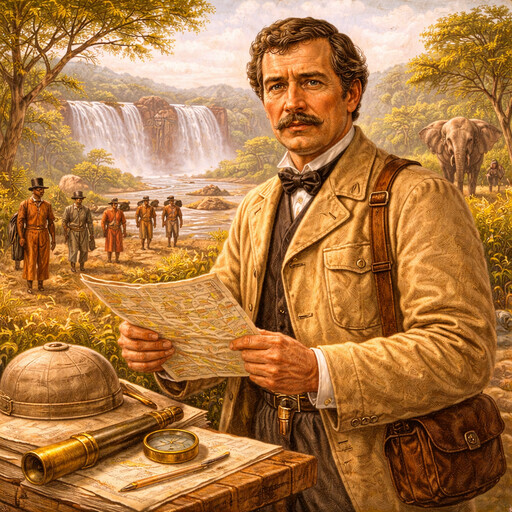
David Livingstone
Scottish explorer of Africa
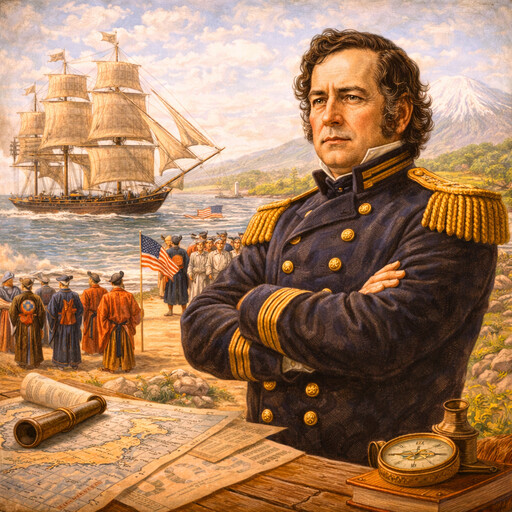
Perry Expedition
American naval mission to Japan
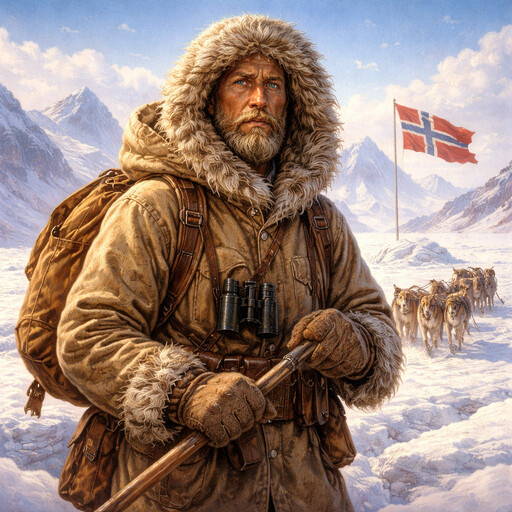
Roald Amundsen
Norwegian polar explorer
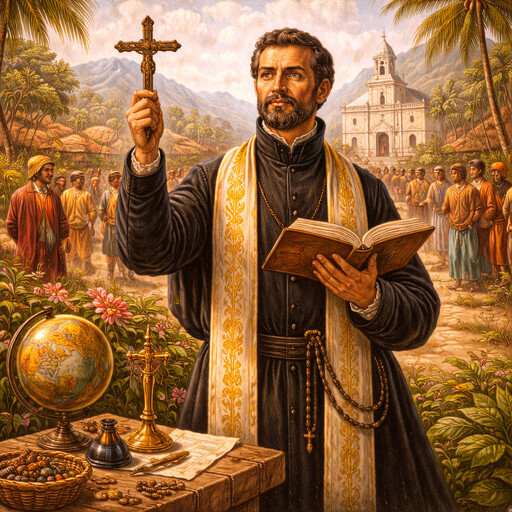
Francis Xavier
Missionary who traveled across Asia
Louisiana Purchase
A land deal that doubled the United States
Sacagawea
Guide and interpreter of a western expedition

William Clark
Leader of a famous American exploration
John Franklin
British explorer of the Arctic
Alexander von Humboldt
Explorer of nature and the natural world

Lewis and Clark Expedition
Exploring the land west of the Mississippi
Northwest Passage
A sea route through Arctic waters