The Siege of Yorktown was a major military event during the American War of Independence. It took place in 1781 in the town of Yorktown, Virginia. A siege is a military action in which an army surrounds a place to cut off supplies and force surrender. At Yorktown, American and French forces surrounded a British army. This event is often described as the last major battle of the war in North America.
During the American War of Independence, British forces tried to keep control of the colonies. By 1781, the British army under General Charles Cornwallis moved to Yorktown. Yorktown was a port town on the Chesapeake Bay. Cornwallis believed the British navy could support him there. The town had defenses, including earthworks, which are walls made from soil. These defenses were meant to protect British troops from attack.
American forces were led by George Washington. French forces were led by the Comte de Rochambeau. The French navy played an important role. A fleet commanded by Admiral François Joseph Paul de Grasse sailed into the Chesapeake Bay. The French ships blocked British naval forces. This prevented Cornwallis from receiving help or escaping by sea. Control of the sea made the siege possible.
In September 1781, American and French armies marched toward Yorktown. They surrounded the town and began the siege. Soldiers dug trenches closer and closer to the British defenses. Cannons were placed in the trenches. These cannons fired at British positions day and night. The British army suffered from lack of food and supplies. Disease spread among the soldiers. The constant bombardment weakened the defenses.
One important moment during the siege was the capture of two British defensive positions called redoubts. A redoubt is a small, strong defensive fort. American troops, including soldiers led by Alexander Hamilton, captured one redoubt. French troops captured another. These actions allowed the allied forces to move their cannons closer. The British position became impossible to defend.
On October 19, 1781, General Cornwallis surrendered his army. About 8,000 British soldiers laid down their weapons. The surrender shocked the British government. Although fighting continued in some places, no large battles followed in North America. The Siege of Yorktown led to peace talks. In 1783, the Treaty of Paris officially ended the war and recognized the independence of the United States.
Siege of Yorktown
Level
readlittle.com
Final major battle of American independence
What We Can Learn
- Took place in 1781 in Virginia
- Involved American, French, and British forces
- Ended with British surrender
- Led to peace negotiations
Related Reads
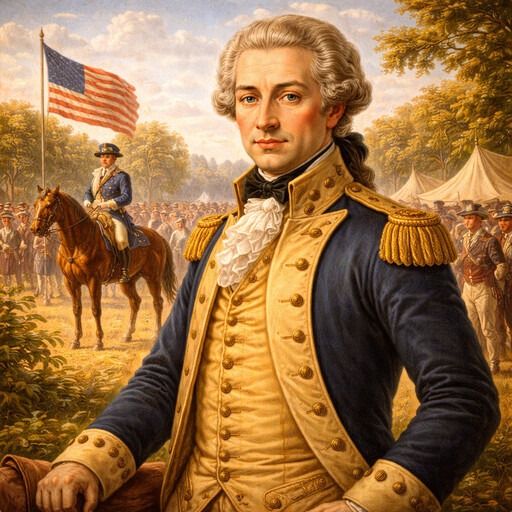
Marquis de Lafayette
French officer in American independence
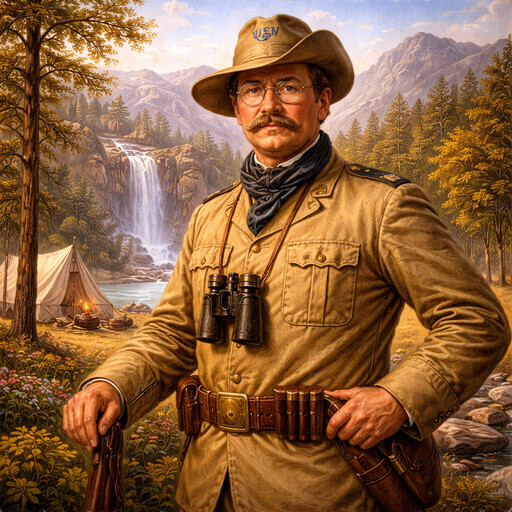
Theodore Roosevelt
Twenty-sixth president of the United States
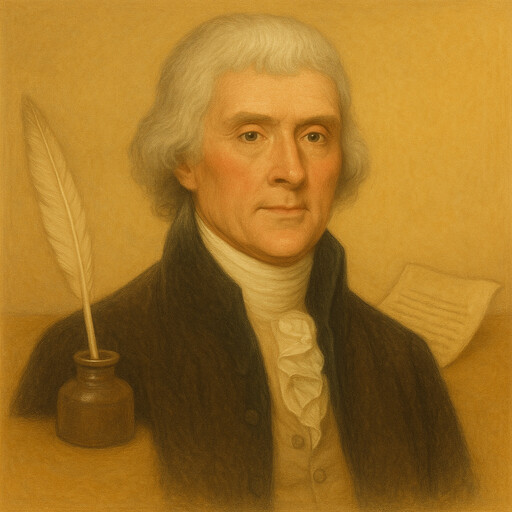
Thomas Jefferson
Author and third U.S. president
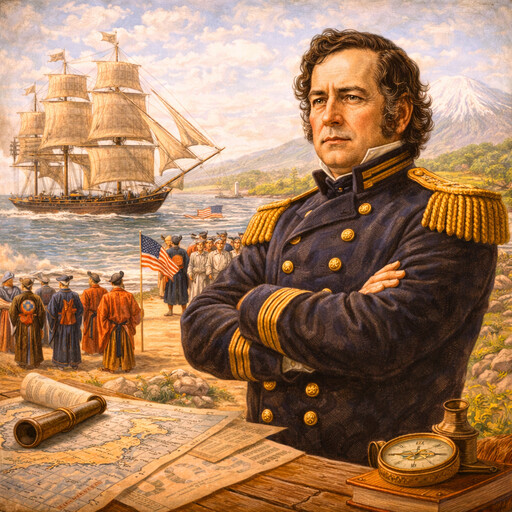
Perry Expedition
American naval mission to Japan

Mount Rushmore
Monument with four U.S. presidents

Lewis and Clark Expedition
Exploring the land west of the Mississippi
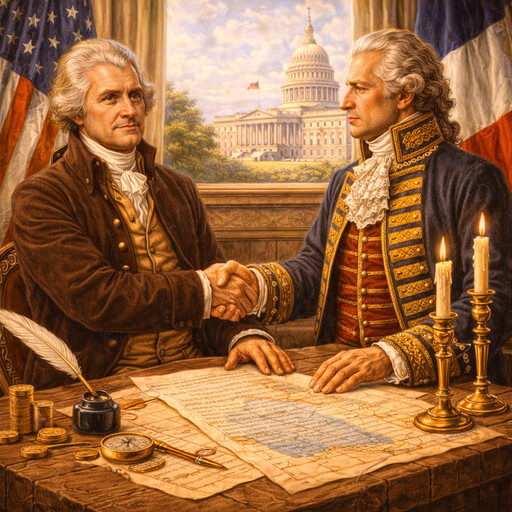
Louisiana Purchase
A land deal that doubled the United States
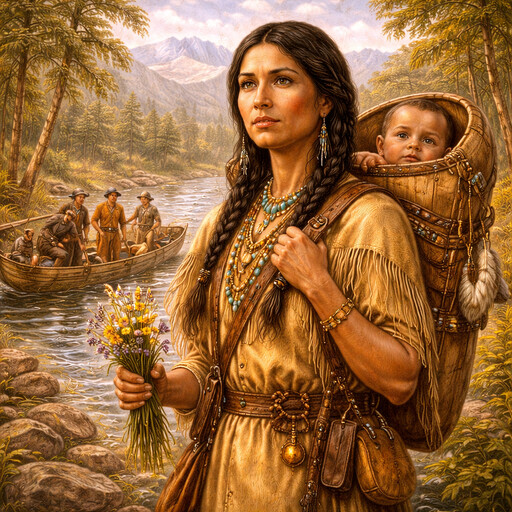
Sacagawea
Guide and interpreter of a western expedition

William Clark
Leader of a famous American exploration
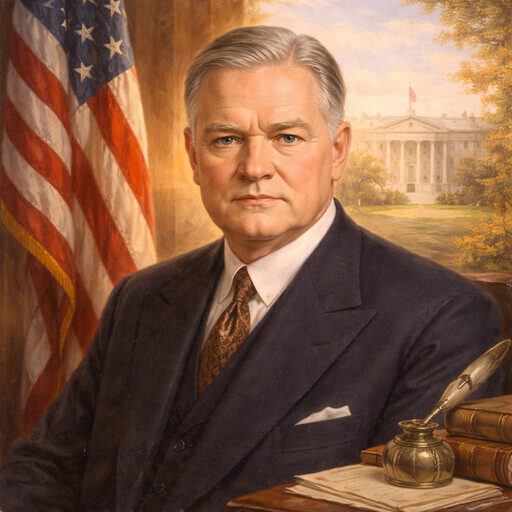
Herbert Hoover
Thirty-first president during economic crisis
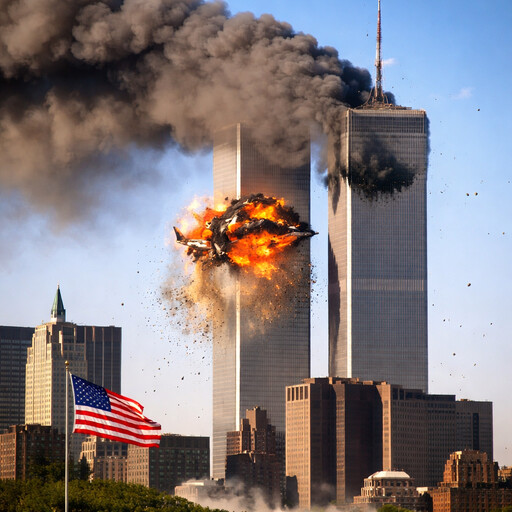
September 11 attacks
Terrorist attacks in the United States
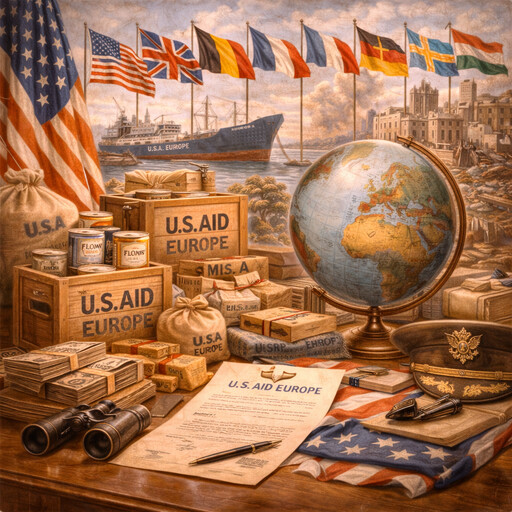
Marshall Plan
Postwar rebuilding program for Europe