David Livingstone was a Scottish explorer, doctor, and missionary who lived in the 19th century. He was born in 1813 in Blantyre, Scotland. An explorer is a person who travels to places that are not well known to people from their own country. Livingstone spent many years traveling across Africa. He recorded information about land, rivers, people, and wildlife. His journeys were long and difficult, and they covered a very large area of the continent.
Livingstone grew up in a working family. As a child, he worked in a cotton mill. At the same time, he studied at night. He later trained as a medical doctor. A doctor is a person trained to treat illness. Livingstone also became a missionary. A missionary is a person who travels to other places to teach their religious beliefs. In the 1840s, he traveled to southern Africa. This was the beginning of his long work on the continent.
During his travels, Livingstone crossed deserts, rivers, and forests. He learned local languages and worked with African guides. Guides are people who know the land and help travelers move safely. Livingstone explored the Zambezi River and other waterways. A river is a natural stream of water that flows across land. In 1855, he became one of the first Europeans to see a large waterfall known locally as Mosi-oa-Tunya. He named it Victoria Falls, after Queen Victoria of Britain.
Livingstone made careful notes and maps. A map is a drawing that shows places and directions. His maps helped others understand the geography of central and southern Africa. He also wrote about the people he met. He described their homes, farming methods, and trade. Trade is the buying and selling of goods. These records were later read by people in Europe who knew very little about life in Africa.
Later in his life, Livingstone searched for the source of the Nile River. The source of a river is the place where it begins. This task was very difficult. He became ill many times and lost contact with Europe. In 1871, an American journalist named Henry Morton Stanley found him near Lake Tanganyika. Stanley greeted him with the famous words, “Dr. Livingstone, I presume?” The meeting made Livingstone widely known.
David Livingstone died in 1873 in what is now Zambia. His body was returned to Britain and buried in Westminster Abbey. His notes and maps continued to be studied after his death. Livingstone is remembered as a major figure in the exploration of Africa during the 1800s. His travels added many new details to European knowledge of African geography.
David Livingstone
Level
readlittle.com
Scottish explorer of Africa
What We Can Learn
- David Livingstone was a Scottish explorer and doctor.
- He traveled widely across southern and central Africa.
- He explored rivers, lakes, and major landmarks.
- His records helped map large parts of Africa.
Related Reads
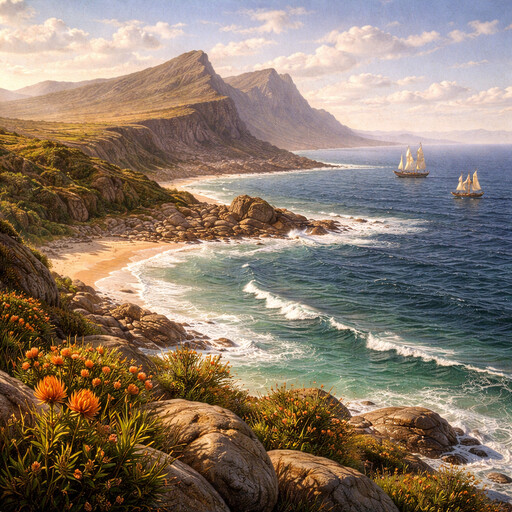
Cape of Good Hope
Southern headland of Africa
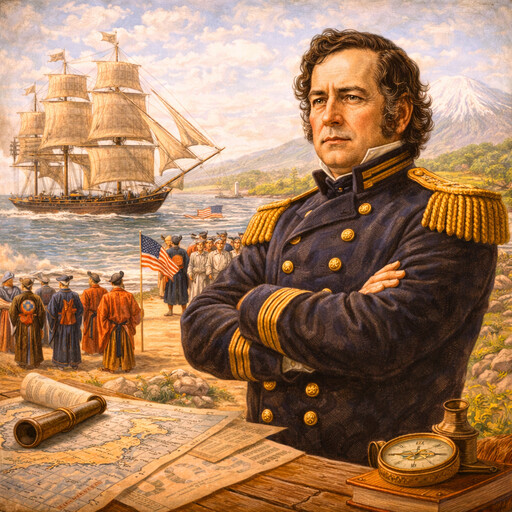
Perry Expedition
American naval mission to Japan
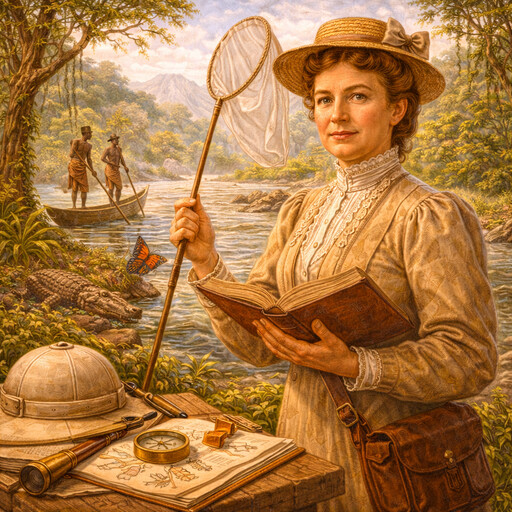
Mary Kingsley
British traveler and writer in West Africa
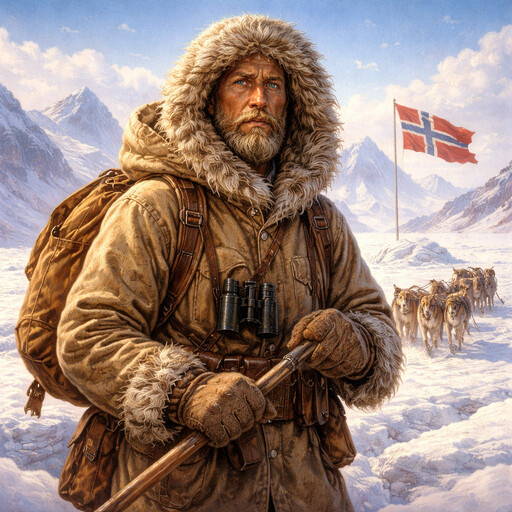
Roald Amundsen
Norwegian polar explorer
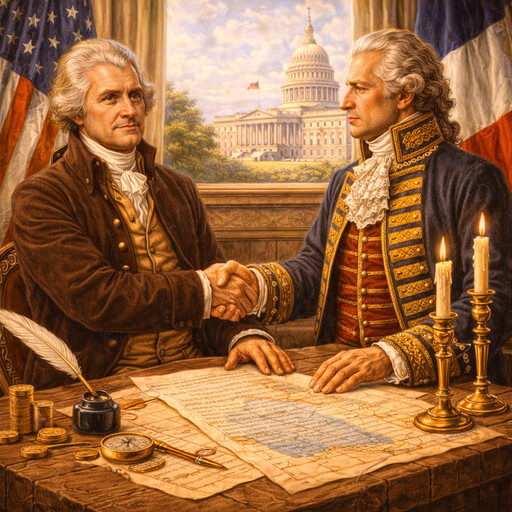
Louisiana Purchase
A land deal that doubled the United States
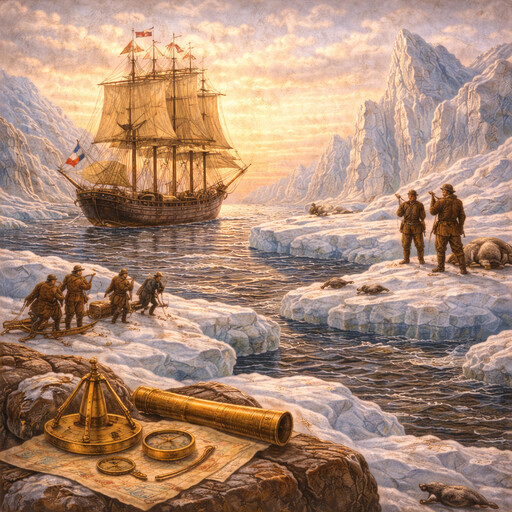
Northwest Passage
A sea route through Arctic waters
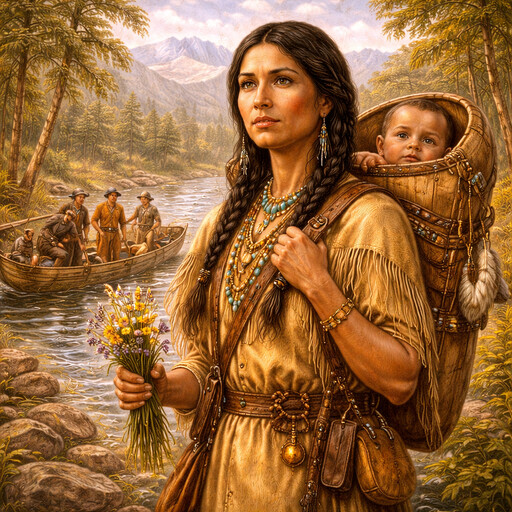
Sacagawea
Guide and interpreter of a western expedition
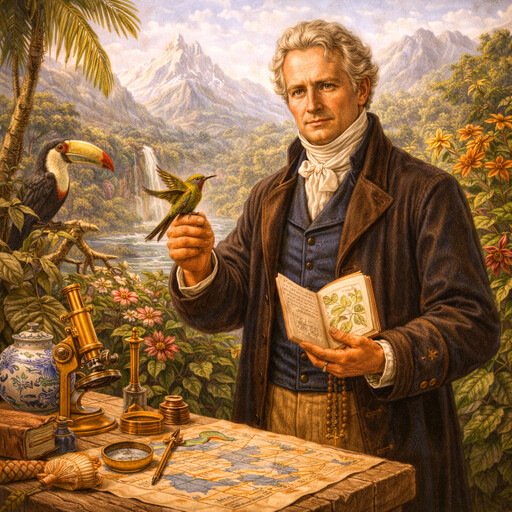
Alexander von Humboldt
Explorer of nature and the natural world
John Franklin
British explorer of the Arctic

Lewis and Clark Expedition
Exploring the land west of the Mississippi
Francis Xavier
Missionary who traveled across Asia

William Clark
Leader of a famous American exploration