Theodore Roosevelt was an American statesman, writer, soldier, and the 26th president of the United States. He became president in 1901 and served until 1909. Roosevelt was one of the youngest presidents in U.S. history. He first became president after the death of President William McKinley and was later elected to a full term. Roosevelt was active in many areas of public life. He worked in government, served in the military, and took part in national and international affairs. His presidency took place during a period of rapid growth and change in the United States.
Theodore Roosevelt was born on 27 October 1858 in New York City. He was often sick as a child and suffered from asthma, a condition that affects breathing. His family was wealthy and valued education. Roosevelt was taught at home for much of his childhood. He developed strong interests in nature, history, and reading. As a young man, he attended Harvard University, where he studied many subjects. After college, he entered public service. He began his political career in New York, serving in the state assembly.
Roosevelt held several government positions before becoming president. He worked as a civil service commissioner, which meant he helped manage government jobs and reduce corruption. He later served as assistant secretary of the navy. When the Spanish–American War began in 1898, Roosevelt resigned from his navy post and joined the army. He helped organize a volunteer cavalry unit known as the Rough Riders. A cavalry unit is a group of soldiers who fight on horseback. Roosevelt and his unit fought in Cuba, including at the Battle of San Juan Hill. After the war, Roosevelt returned to politics.
In 1900, Theodore Roosevelt was elected vice president under William McKinley. In 1901, McKinley was assassinated, meaning he was killed during an attack. Roosevelt then became president at the age of 42. As president, Roosevelt focused on strengthening the role of the federal government. He worked to regulate large businesses, which were often called trusts. Regulation means setting rules to control how businesses operate. Roosevelt supported laws to protect consumers and workers. He also helped settle a major labor dispute involving coal miners by encouraging both sides to negotiate.
Theodore Roosevelt was also active in foreign affairs. He believed the United States should play a strong role in world events. One major project during his presidency was the construction of the Panama Canal. A canal is a man-made waterway that allows ships to travel more easily. The Panama Canal connected the Atlantic and Pacific Oceans. Roosevelt also helped negotiate peace between Russia and Japan after their war in 1905. For this effort, he received the Nobel Peace Prize in 1906. This made him the first U.S. president to receive the award.
After leaving the presidency in 1909, Roosevelt remained active. He went on an expedition to Africa and later traveled in South America. He ran for president again in 1912 as the candidate of a new political party called the Progressive Party. He did not win the election. In his later years, Roosevelt wrote books and articles about history and politics. He died on 6 January 1919 at the age of 60. Theodore Roosevelt is remembered as a major figure in U.S. history, known for his active role in government and national affairs.
Theodore Roosevelt
Level
readlittle.com
Twenty-sixth president of the United States
What We Can Learn
- Theodore Roosevelt was the 26th president of the United States
- He became president in 1901 after William McKinley’s death
- He served in government, the military, and diplomacy
- He received the Nobel Peace Prize in 1906
Related Reads
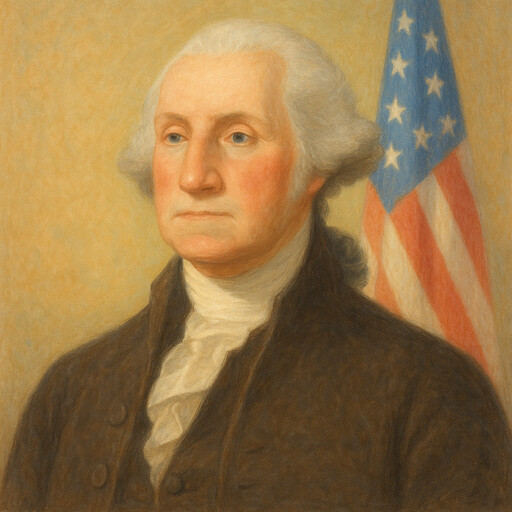
George Washington
First president of the United States
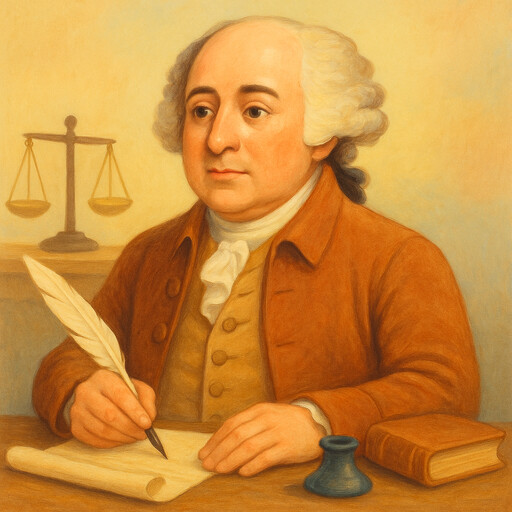
John Adams
Second president of the United States
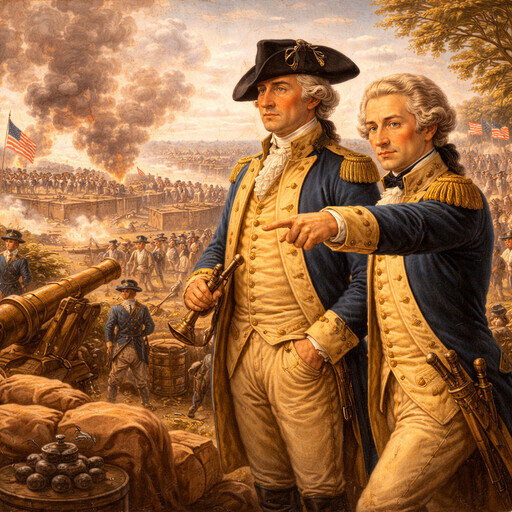
Siege of Yorktown
Final major battle of American independence
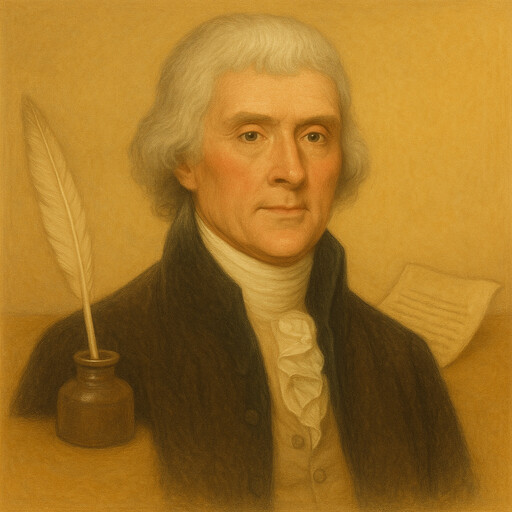
Thomas Jefferson
Author and third U.S. president
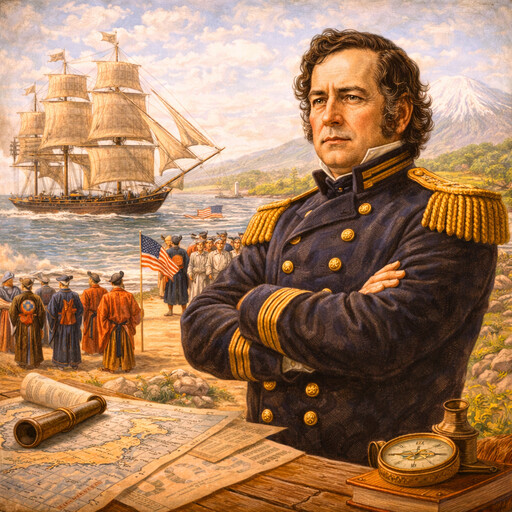
Perry Expedition
American naval mission to Japan

Mount Rushmore
Monument with four U.S. presidents
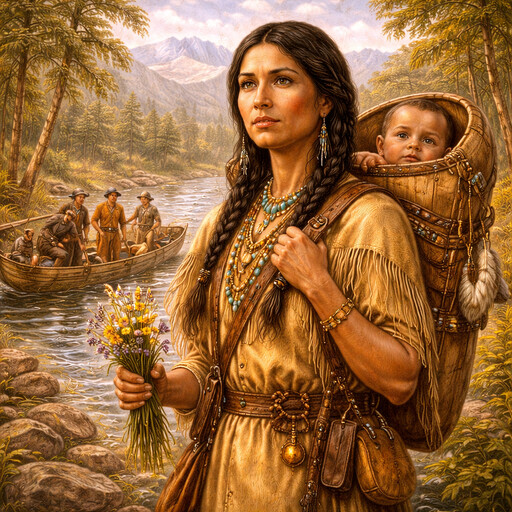
Sacagawea
Guide and interpreter of a western expedition

William Clark
Leader of a famous American exploration

Lewis and Clark Expedition
Exploring the land west of the Mississippi
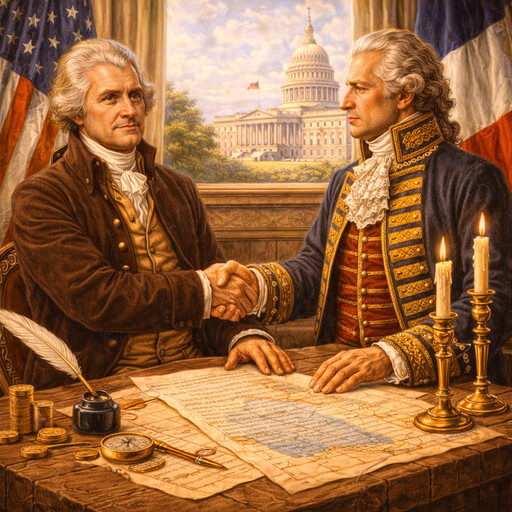
Louisiana Purchase
A land deal that doubled the United States
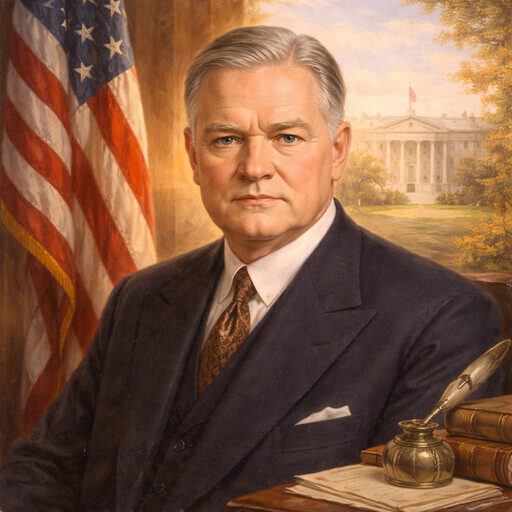
Herbert Hoover
Thirty-first president during economic crisis
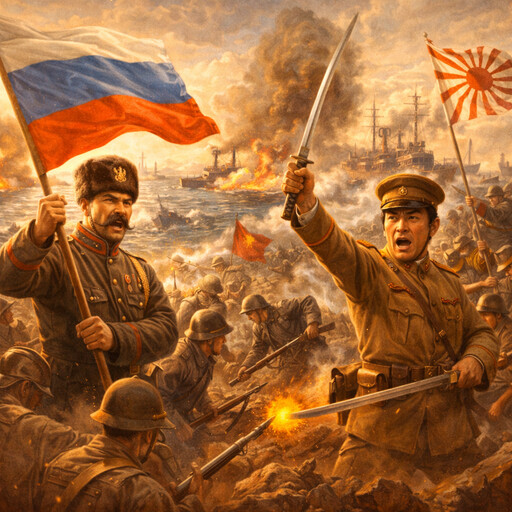
Russo-Japanese War
War between Russia and Japan