The Lewis and Clark Expedition was a major exploration journey in the early history of the United States. It took place from 1804 to 1806. The expedition was led by Meriwether Lewis and William Clark. Their task was to travel west, study the land, and find a route to the Pacific Ocean. This journey is also called the Corps of Discovery. A corps is an organized group of people working together.
The expedition was ordered by President Thomas Jefferson. In 1803, the United States had bought a large area of land from France. This purchase is called the Louisiana Purchase. The land was mostly unknown to Americans at the time. Jefferson wanted more information about the rivers, plants, animals, and Native American tribes living there. He chose Lewis, his secretary, to lead the mission. Lewis then asked his friend William Clark to help.
The group left from near St. Louis in May 1804. They traveled along the Missouri River using boats. The team included soldiers, boatmen, and a few helpers. They faced many challenges. These included strong river currents, insects, heat, cold, and illness. Along the way, they carefully wrote notes and drew maps. They described animals such as bison and prairie dogs, which were new to many people in the east.
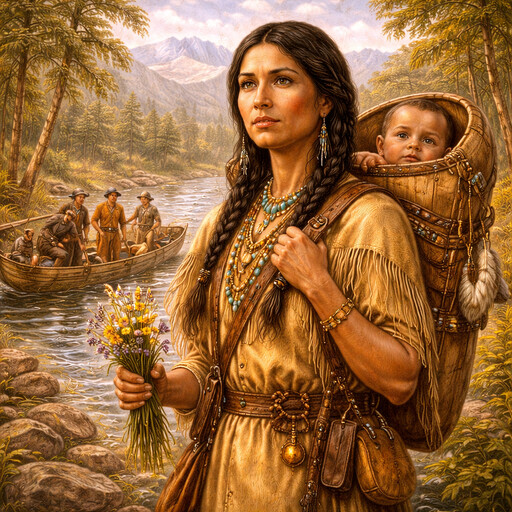
Native American tribes played an important role in the expedition. Some tribes helped the group with food, directions, and safe passage. One important guide was Sacagawea, a Shoshone woman. She joined the expedition in 1805 with her husband and baby. Sacagawea helped translate languages and showed knowledge of the land. Her presence also helped signal peaceful intentions to other tribes.
In November 1805, the expedition reached the Pacific Ocean. They built a winter camp called Fort Clatsop in present-day Oregon. In the spring of 1806, the group began the journey back east. They returned to St. Louis in September 1806. Most members of the expedition survived the journey, which was rare for such a long trip at the time.
After the expedition ended, Lewis and Clark shared their notes and maps. These records gave Americans a clearer picture of the western lands. Rivers, mountains, and plains were now better understood. Many places in the United States are named after Lewis and Clark today. Their journey remains an important event in the early exploration of North America.
Lewis and Clark Expedition
Level
readlittle.com
Exploring the land west of the Mississippi
What We Can Learn
- The expedition lasted from 1804 to 1806.
- It was led by Meriwether Lewis and William Clark.
- The group traveled to the Pacific Ocean and back.
- Native American tribes helped the expedition.
Related Reads
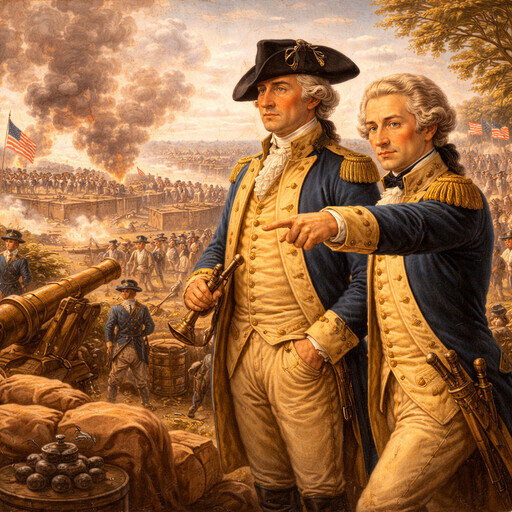
Siege of Yorktown
Final major battle of American independence
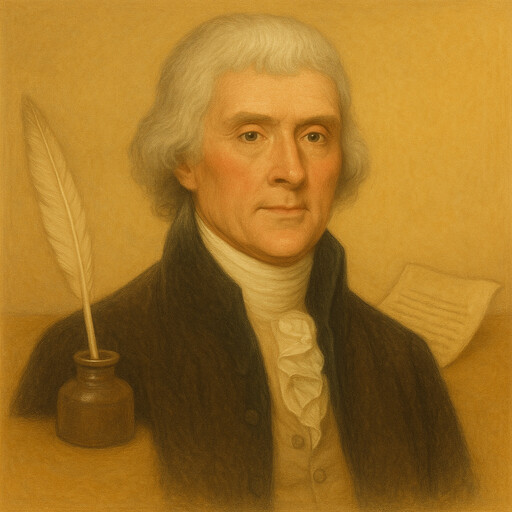
Thomas Jefferson
Author and third U.S. president
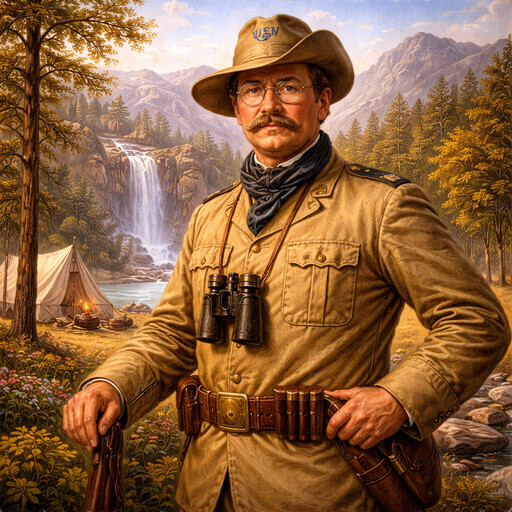
Theodore Roosevelt
Twenty-sixth president of the United States
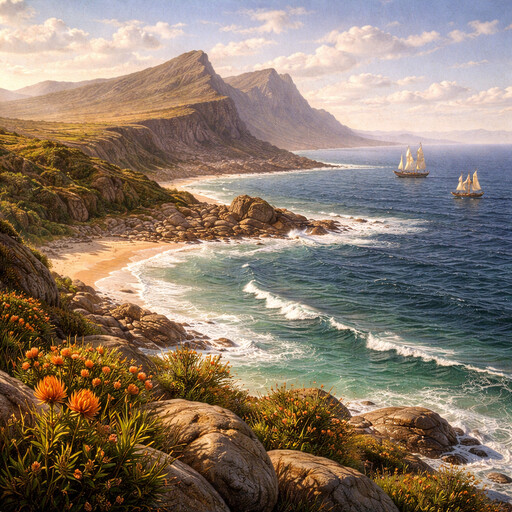
Cape of Good Hope
Southern headland of Africa
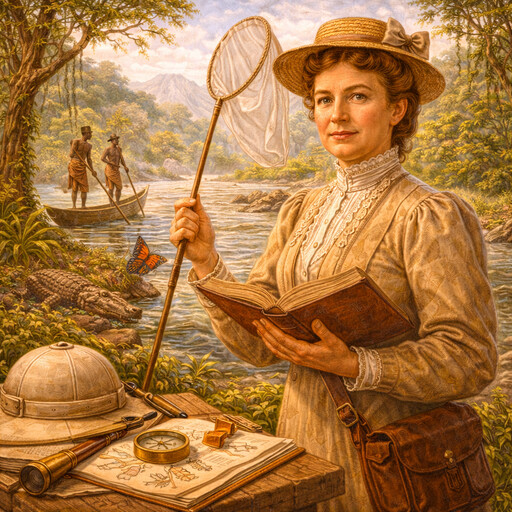
Mary Kingsley
British traveler and writer in West Africa
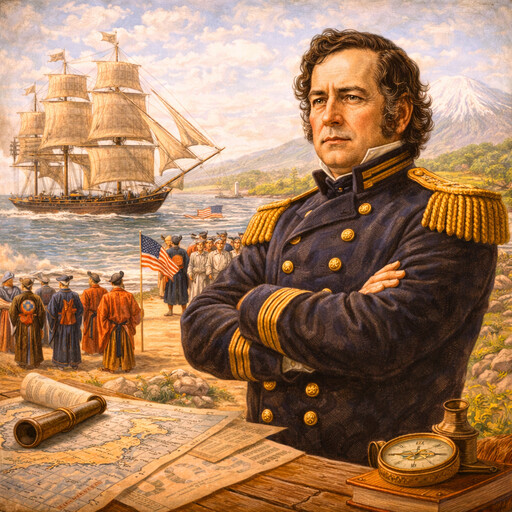
Perry Expedition
American naval mission to Japan
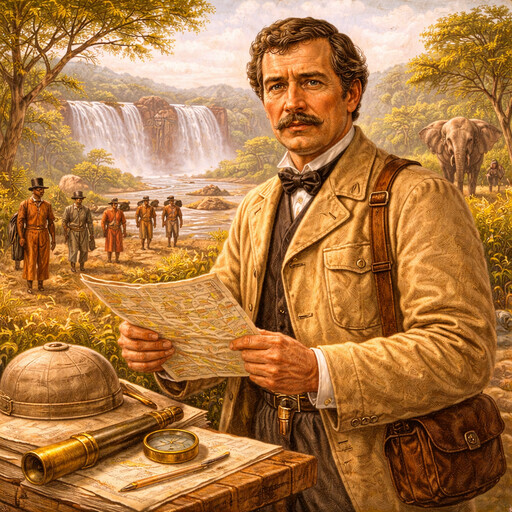
David Livingstone
Scottish explorer of Africa

Mount Rushmore
Monument with four U.S. presidents
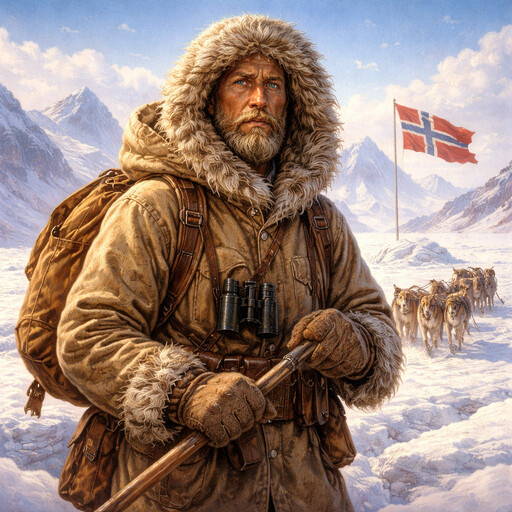
Roald Amundsen
Norwegian polar explorer
Ida Laura Pfeiffer
A traveler who journeyed around the world
Sacagawea
Guide and interpreter of a western expedition

William Clark
Leader of a famous American exploration