Sacagawea was a Native American woman who lived in the early 1800s. She is known for traveling with the Lewis and Clark Expedition, a long journey across western North America. The expedition was sent by the United States government to explore new lands. Sacagawea helped the group by acting as a guide and an interpreter. An interpreter is a person who helps people speak to each other when they use different languages. She also helped the group find food and travel safely.
Sacagawea was born around the year 1788. She belonged to the Lemhi Shoshone tribe. A tribe is a group of people who share a culture, language, and history. When she was a child, she was taken from her tribe by another group and later lived among the Hidatsa people. As a young woman, she married Toussaint Charbonneau, a French-Canadian trader. Charbonneau could speak some Native languages and worked as an interpreter.
In 1804, Meriwether Lewis and William Clark began their expedition. They hired Toussaint Charbonneau as an interpreter. Sacagawea joined the journey with him. At the time, she was pregnant. During the trip, she gave birth to a baby boy named Jean Baptiste Charbonneau. She continued to travel with the group while caring for her child. Her presence showed other tribes that the expedition was peaceful, because war groups usually did not travel with women and babies.
Sacagawea helped the expedition in many practical ways. She knew how to find edible plants and roots. She helped identify landmarks and routes. She also helped communicate with Native American tribes they met along the way. At one important meeting, she recognized her brother, Cameahwait, who was a leader of the Shoshone tribe. This helped the expedition obtain horses. Horses were needed to cross the Rocky Mountains.
The expedition reached the Pacific Ocean in 1805 and returned in 1806. Sacagawea completed the full journey, traveling thousands of miles. After the expedition, little is known for certain about her later life. Some records say she died in 1812. Other stories say she lived many more years. Because records were limited, historians still discuss these details.
Sacagawea later became an important symbol in United States history. She is remembered for her role in the expedition and her knowledge of the land. Her name has been given to rivers, mountains, and schools. She also appears on a United States one-dollar coin. Historical accounts show that she played a key role in the success of the journey by helping the explorers travel and communicate across unfamiliar territory.
Sacagawea
Level
readlittle.com
Guide and interpreter of a western expedition
What We Can Learn
- Sacagawea traveled with the Lewis and Clark Expedition.
- She helped as a guide and interpreter.
- She belonged to the Lemhi Shoshone tribe.
- She helped the expedition communicate with Native tribes.
Related Reads
Transcontinental railroad
Railway linking America coast to coast
Siege of Yorktown
Final major battle of American independence
Theodore Roosevelt
Twenty-sixth president of the United States
Thomas Jefferson
Author and third U.S. president

Mount Rushmore
Monument with four U.S. presidents
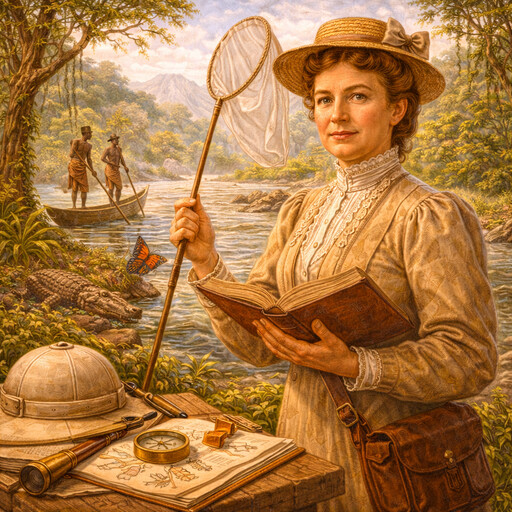
Mary Kingsley
British traveler and writer in West Africa
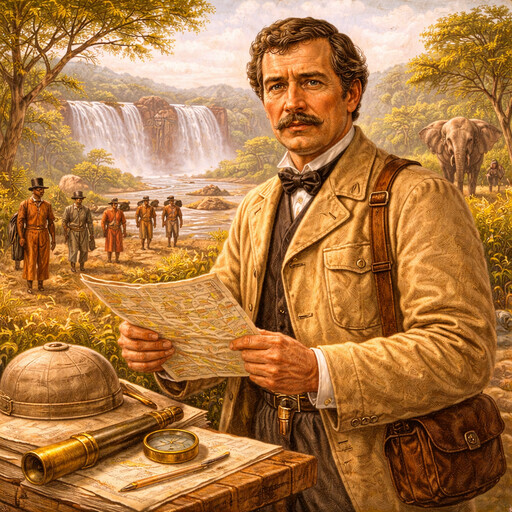
David Livingstone
Scottish explorer of Africa
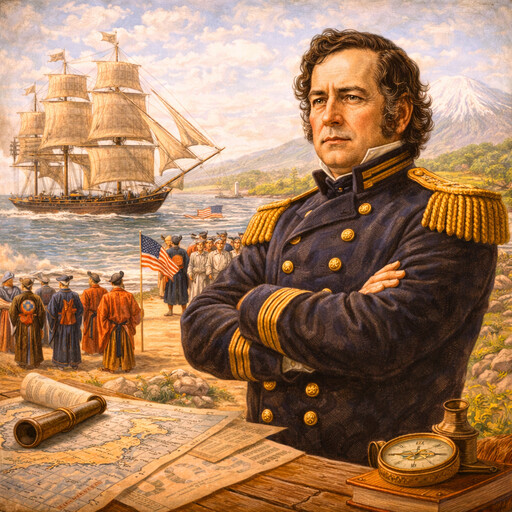
Perry Expedition
American naval mission to Japan
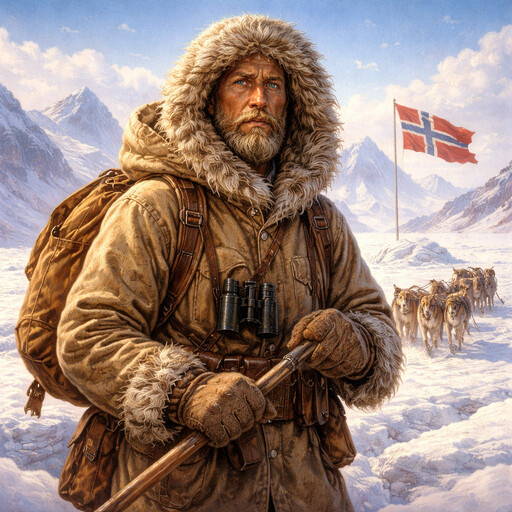
Roald Amundsen
Norwegian polar explorer
John Franklin
British explorer of the Arctic
Northwest Passage
A sea route through Arctic waters
Francis Xavier
Missionary who traveled across Asia