The Silk Road was a wide network of trade routes that connected East Asia with the Middle East, Europe, and parts of Africa. It was not a single road, but many paths used by traders over land and sea. These routes were active for more than 1,000 years, beginning around 130 BCE and continuing into the 1400s. The name comes from silk, a fine cloth made in China that was highly valued in other regions.
The Silk Road began in China during the Han dynasty. Chinese traders moved goods westward through Central Asia. Central Asia is a large region with deserts, mountains, and grasslands. From there, goods traveled to Persia, the eastern Mediterranean, and Europe. Some routes also used sea travel across the Indian Ocean. Cities such as Chang’an (modern Xi’an), Samarkand, and Constantinople became important centers along the routes.
Many different goods were traded along the Silk Road. Silk was one of the most famous products. Other items included spices, tea, porcelain, glass, gold, silver, and precious stones. Horses were also traded, especially from Central Asia to China. Traders often exchanged goods many times along the way, rather than traveling the entire route themselves. This helped spread products over long distances.
The Silk Road was also used to share ideas, technology, and culture. Religions such as Buddhism, Christianity, and Islam spread along the routes as people traveled and settled in new areas. Technologies like paper-making and gunpowder moved from China to other regions. Artistic styles, languages, and customs were also exchanged through contact between different societies.
Travel along the Silk Road was difficult and sometimes dangerous. Traders crossed deserts like the Taklamakan Desert and high mountain ranges such as the Pamir Mountains. They often traveled in groups called caravans for safety. A caravan is a group of people and animals moving together. Animals like camels were important because they could carry heavy loads and survive long journeys without much water.
The Silk Road slowly declined after the 1400s. Sea routes became more common as ships improved and could carry larger amounts of goods. Political changes and conflicts also made land travel harder. Although the Silk Road is no longer used in the same way, it remains an important part of world history because it connected distant regions and supported long-distance exchange for many centuries.
Silk Road
Level
readlittle.com
Ancient trade routes across continents
What We Can Learn
- The Silk Road was a network of trade routes, not one road.
- It connected Asia, Europe, and parts of Africa.
- Goods, ideas, and religions spread along the routes.
- The routes were active for over a thousand years.
Related Reads
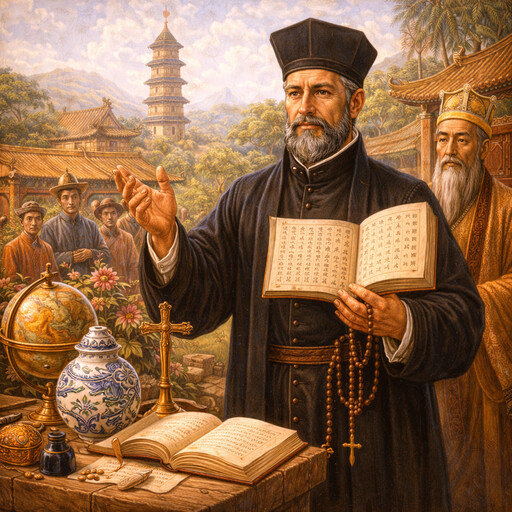
Matteo Ricci
European scholar in Ming China
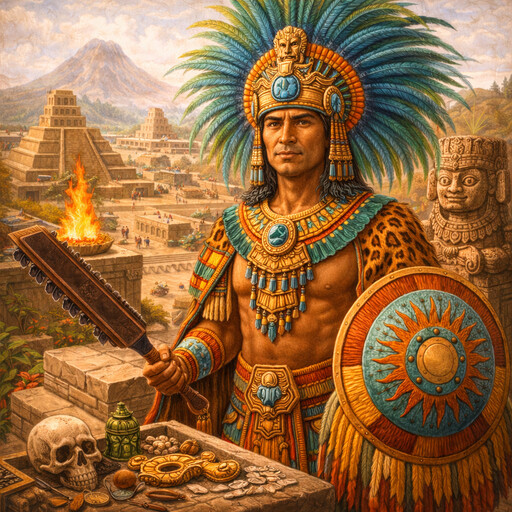
Aztecs
A powerful civilization of ancient Mexico

Aegean Sea
Sea between Greece and Anatolia

Athens
Ancient city of Greece
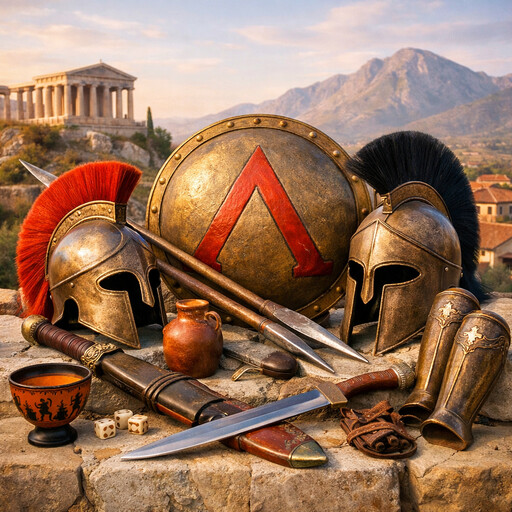
Sparta
Military city-state of ancient Greece
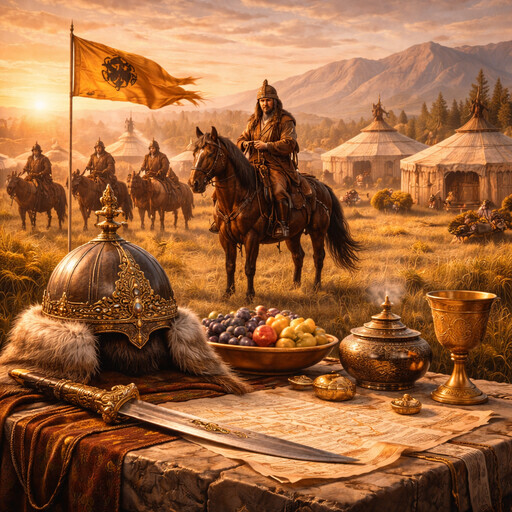
Mongol Empire
Largest land empire in history
Song dynasty
Chinese dynasty of innovation and growth
Tang dynasty
Powerful empire of medieval China
Black Death
Major plague in medieval Europe
Roman Empire
An ancient empire that shaped Europe and beyond
History
Study of past events and people