A solar eclipse happens when the Moon slides directly between earth and the sun and casts a narrow shadow on our planet. Because the Moon is much smaller than Earth, its dark inner shadow, called the umbra, covers only a thin path at any moment. People standing inside that path see the Sun fade into a black disk while a white crown of hot gas glows around it, and the daytime sky suddenly looks like twilight.
Astronomers explain that eclipses occur because the Moon's orbit is tilted about five degrees compared to Earth's path around the Sun. Usually the Moon passes slightly above or below the Sun in the sky, but during an eclipse season the three bodies line up. Depending on the exact distances, observers may witness a total eclipse, a partial one, or an annular eclipse where a bright ring surrounds the Moon because it is slightly farther from Earth.
Every eclipse follows a careful timetable. The first contact happens when the Moon appears to touch the Sun's edge. The partial phase grows as the Moon covers more sunlight, creating crescent-shaped shadows under trees. Totality is the brief middle stage when the Sun's bright surface is fully hidden, stars become visible, temperature drops, and the solar corona streams outward in delicate shapes shaped by magnetic fields.
Viewing an eclipse demands safety. Looking directly at the Sun can injure eyes, so people use certified solar viewers, pinhole projectors, or telescopes with special filters. Scientists send airplanes, balloons, and satellites to chase the shadow so they can study the corona, space weather, and how Earth's atmosphere responds to sudden darkness.
Throughout history, cultures recorded eclipses as important sky events. Ancient observers used them to check calendars, while modern scientists use precise timing to test orbital models and even confirm parts of Einstein's theories. Today, eclipse chasers travel worldwide to stand inside the Moon's shadow for only a few minutes, proving how a simple alignment of Sun, Moon, and Earth keeps inspiring curiosity.
Solar eclipse
Level
readlittle.com
Moon shadows crossing the daytime sun
What We Can Learn
- A solar eclipse happens when the Moon blocks the Sun for part of Earth.
- Different eclipse types depend on distances and alignment.
- Safe viewing requires filters or indirect methods to protect eyes.
- Scientists study eclipses to learn about the Sun and Earth's atmosphere.
Related Reads
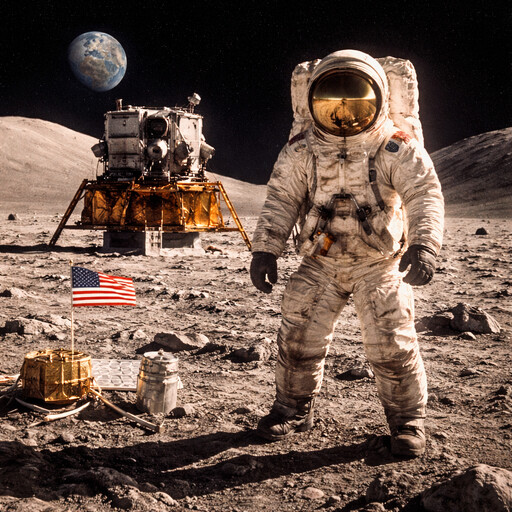
Apollo 11
First human landing on the Moon
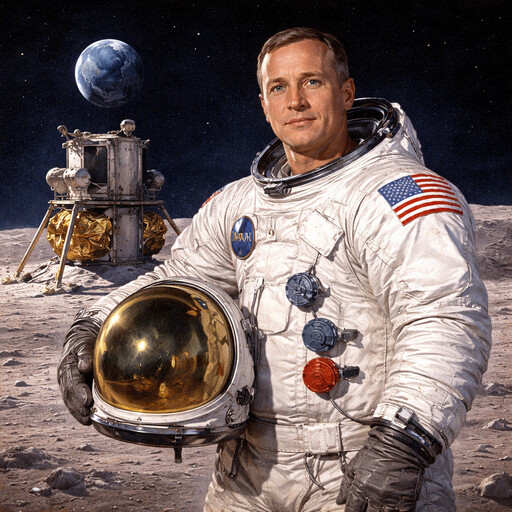
Neil Armstrong
First human to walk on the Moon
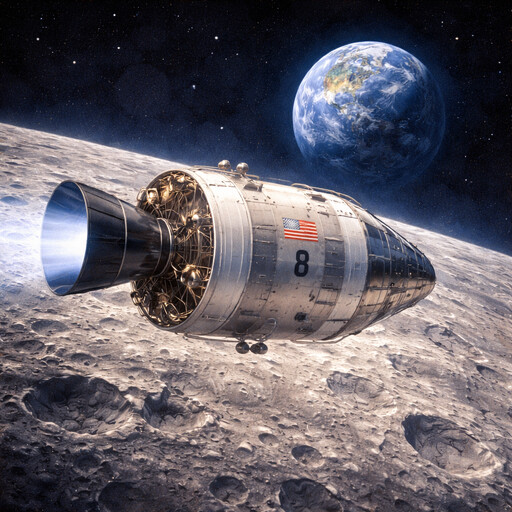
Apollo 8
First human mission to orbit the Moon
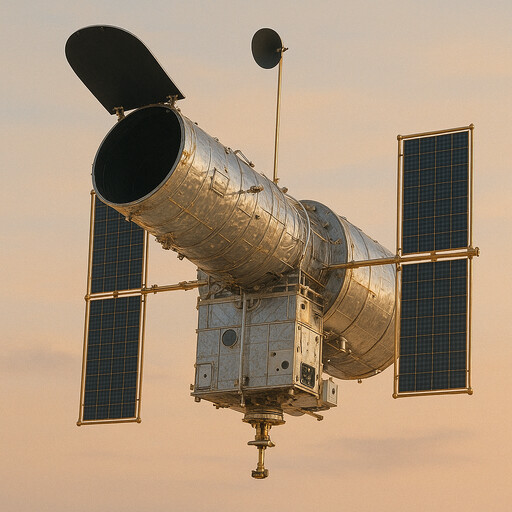
Hubble Space Telescope
Space telescope orbiting Earth
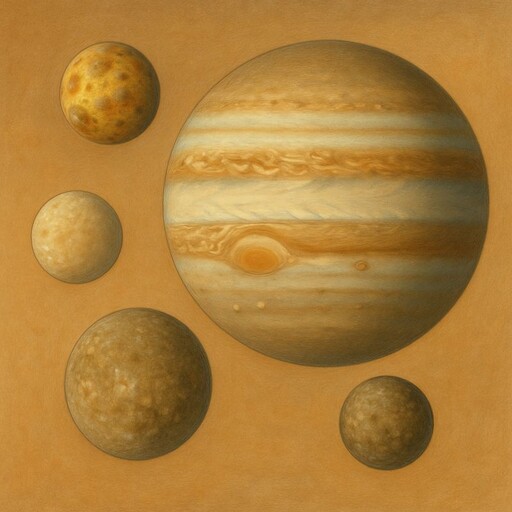
Galilean moons
Four large moons of Jupiter
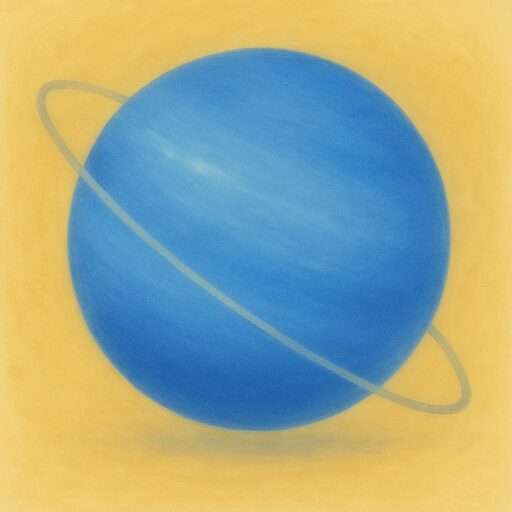
Neptune
The distant blue planet of the Solar System
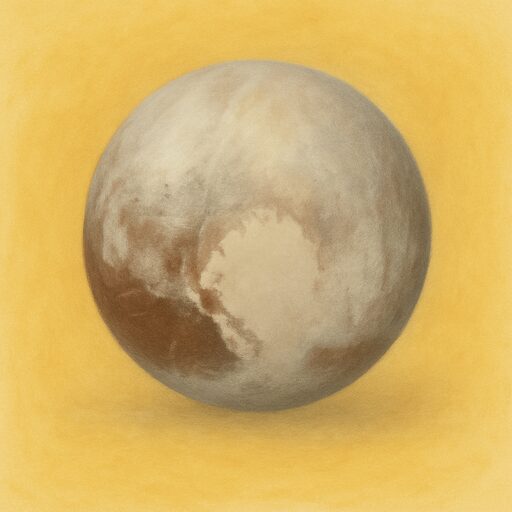
Pluto
A small icy world beyond Neptune
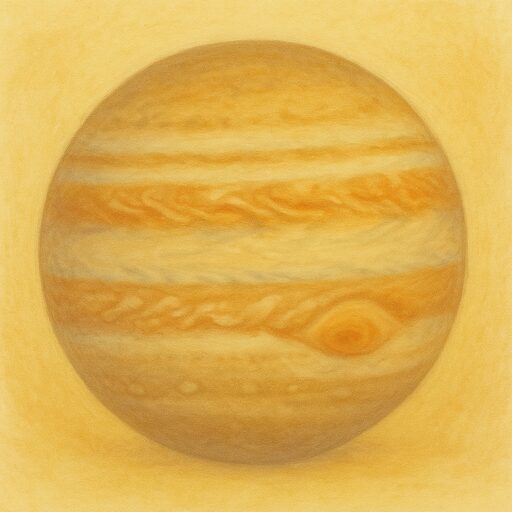
Jupiter
The largest planet in the Solar System
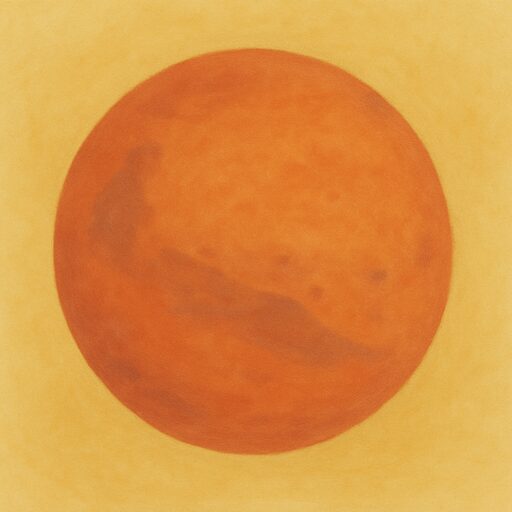
Mars
The red planet of the Solar System
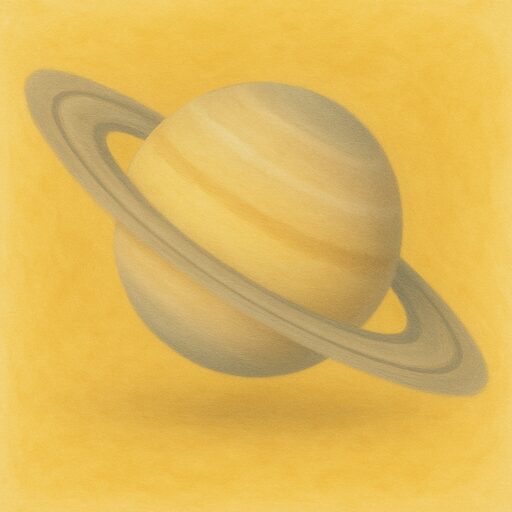
Saturn
The ringed giant planet of the Solar System
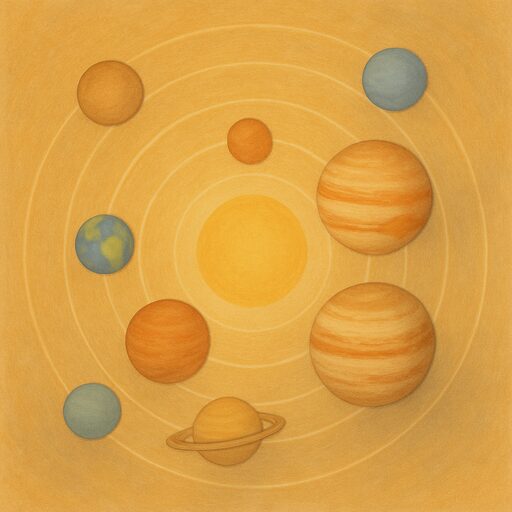
Solar System
The family of the Sun and its planets
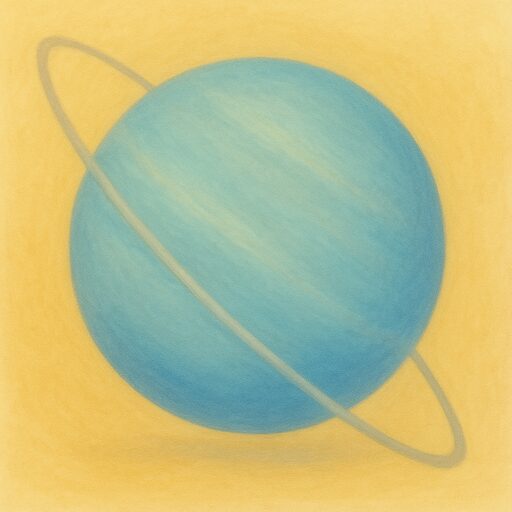
Uranus
The tilted blue planet of the Solar System