Mars is the fourth planet from the sun in the solar-system. It is often called the red planet because its surface looks reddish due to iron oxide, or rust, in its soil. Mars is one of the four terrestrial planets, meaning it has a rocky surface like earth, venus, and mercury. It is smaller than Earth, with about half its diameter and only about one-tenth of its mass.
A year on Mars lasts about 687 Earth days because it is farther from the Sun and moves more slowly in its orbit. A day on Mars, called a sol, is about 24 hours and 37 minutes long—almost the same as a day on Earth. Mars has seasons similar to Earth’s because its axis is tilted, but its winters are much colder and its summers much cooler.
The surface of Mars is covered with mountains, valleys, deserts, and craters. It has the largest volcano in the Solar System, Olympus Mons, which is nearly three times as tall as Mount Everest, and a giant canyon system called Valles Marineris. Mars also has polar ice caps made of frozen water and carbon dioxide, which grow and shrink with the seasons.
Mars has two small moons called Phobos and Deimos. They are irregular in shape and are much smaller than Earth’s moon. Scientists think they might be captured asteroids that were pulled into orbit around Mars long ago.
The atmosphere of Mars is very thin and made mostly of carbon dioxide, with very little oxygen. Because of this, humans cannot breathe on Mars. The thin air also makes the planet cold, with average temperatures around −60°C. Mars often experiences large dust storms that can cover the entire planet for days or even weeks.
Scientists are very interested in Mars because it shows signs that liquid water may once have existed there. Spacecraft and rovers have found dry riverbeds, minerals formed by water, and traces of ice below the surface. Several missions, such as NASA’s Curiosity and Perseverance rovers, are exploring Mars to study its rocks, atmosphere, and possible signs of past life. In the future, humans may send missions to Mars to learn more about how planets form and evolve.
Mars
Level
readlittle.com
The red planet of the Solar System
What We Can Learn
- Mars is the fourth planet from the Sun.
- It is known as the red planet because of its iron-rich soil.
- Mars has two small moons called Phobos and Deimos.
- Scientists explore Mars for signs of past water and life.
Related Reads
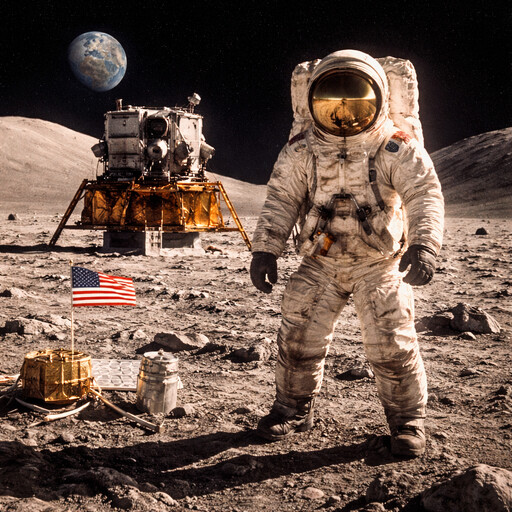
Apollo 11
First human landing on the Moon
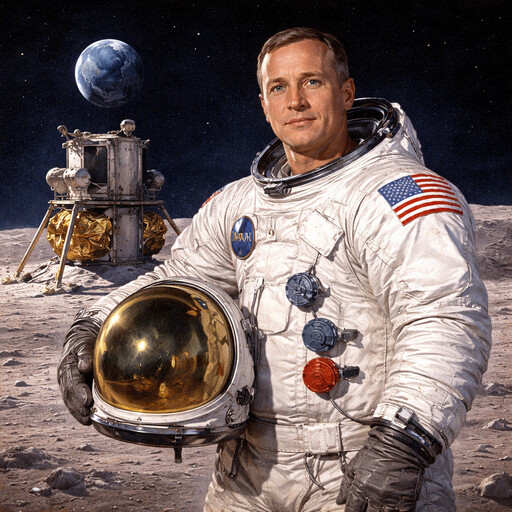
Neil Armstrong
First human to walk on the Moon
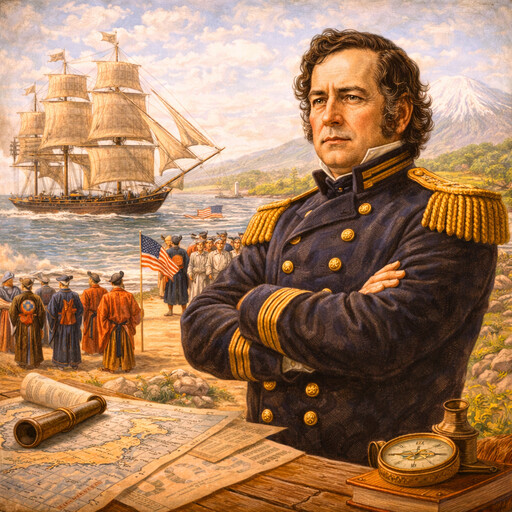
Perry Expedition
American naval mission to Japan
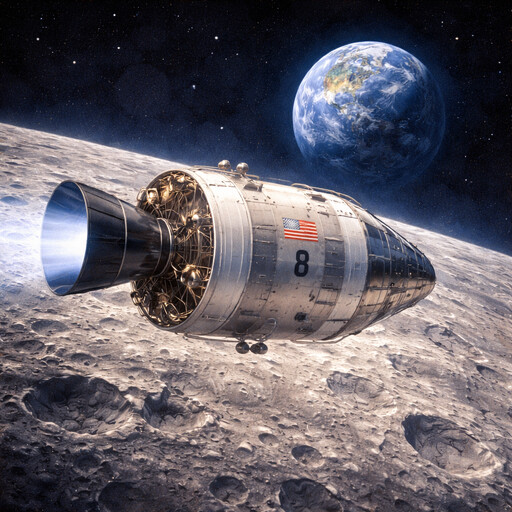
Apollo 8
First human mission to orbit the Moon
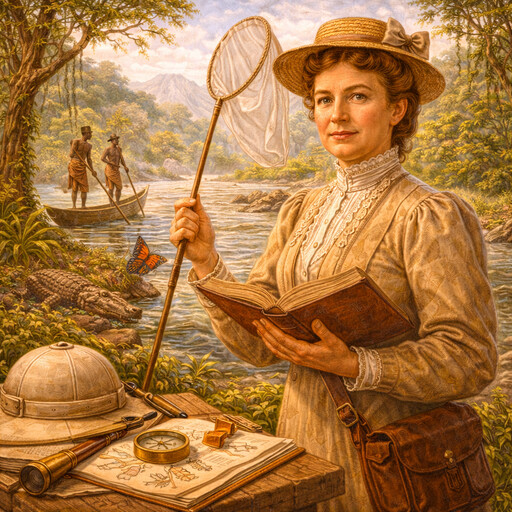
Mary Kingsley
British traveler and writer in West Africa
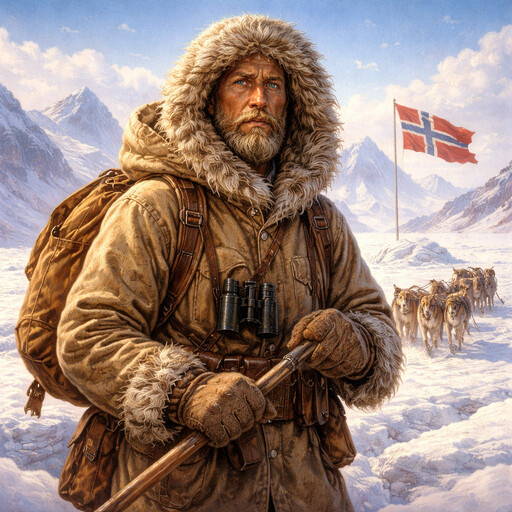
Roald Amundsen
Norwegian polar explorer
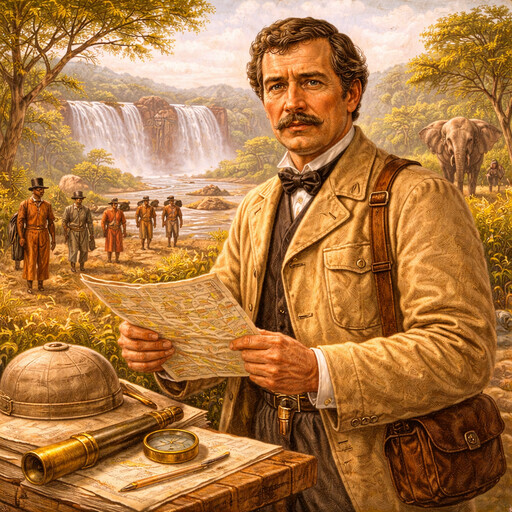
David Livingstone
Scottish explorer of Africa
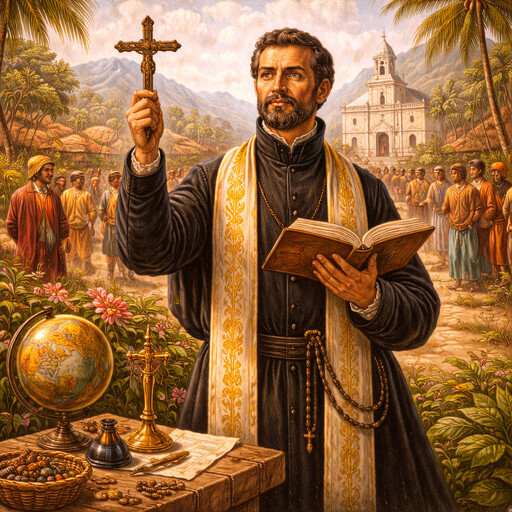
Francis Xavier
Missionary who traveled across Asia
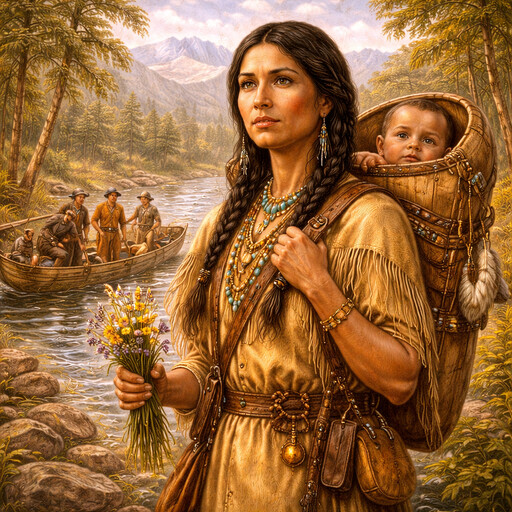
Sacagawea
Guide and interpreter of a western expedition
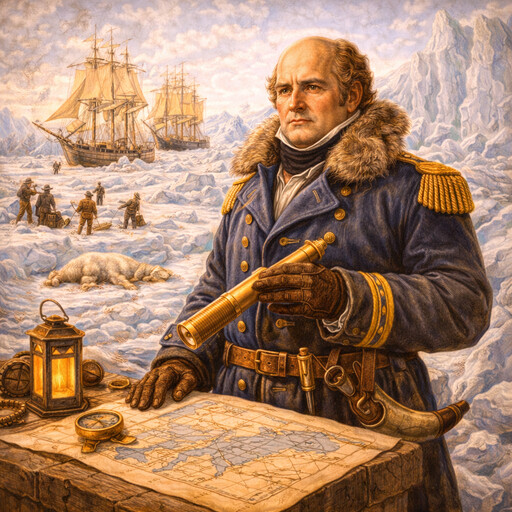
John Franklin
British explorer of the Arctic

William Clark
Leader of a famous American exploration
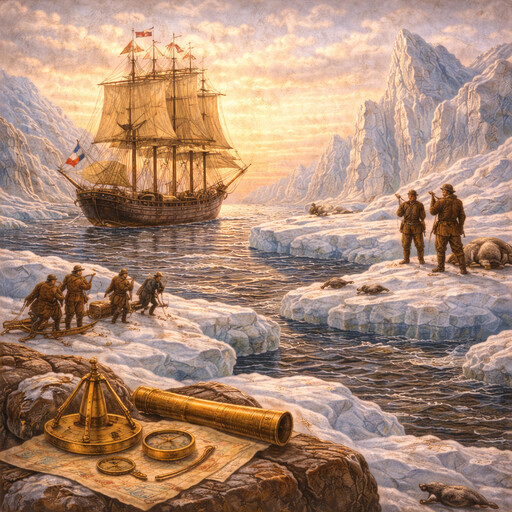
Northwest Passage
A sea route through Arctic waters